





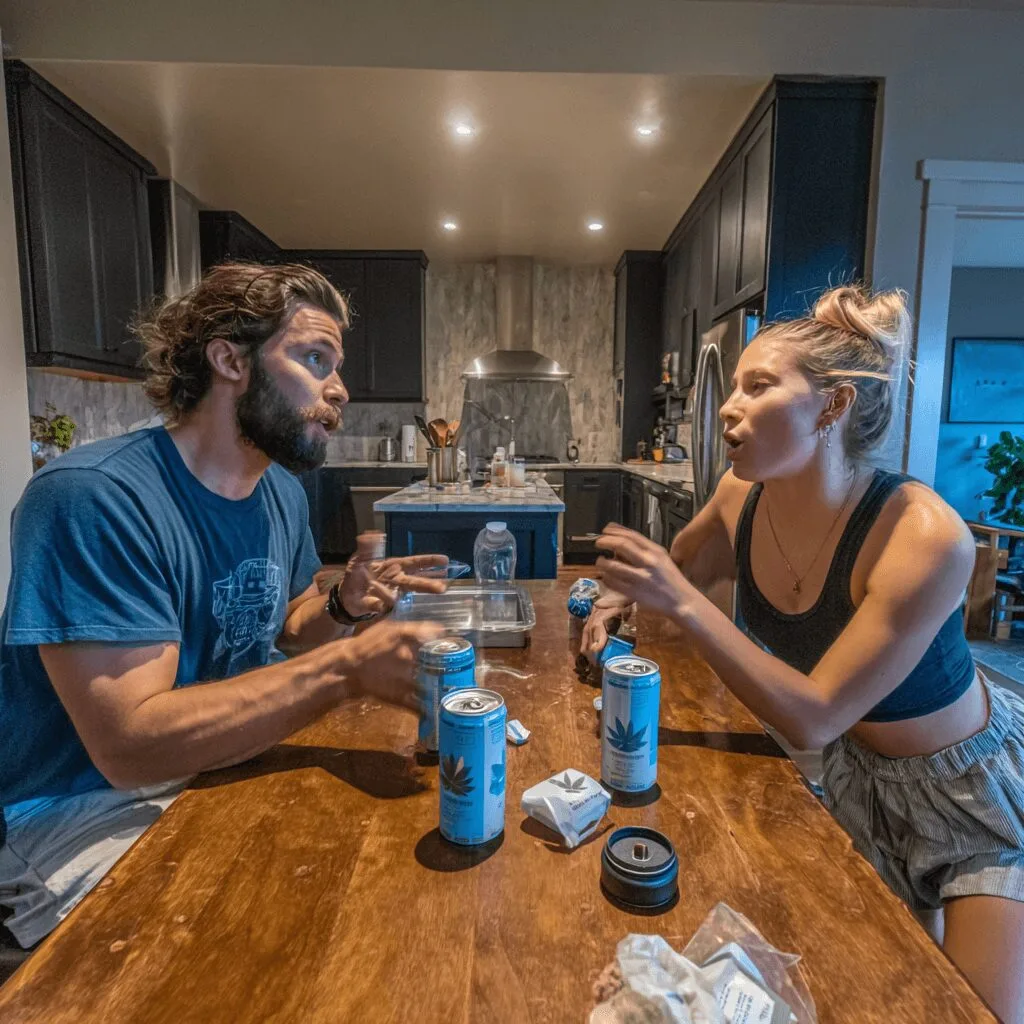
Congress THC beverage ban: Will Willie Nelson’s seltzers survive?
The cannabis industry is again under a regulatory microscope, this time with the Congress THC beverage ban making headlines. Lawmakers are weighing proposals that could shift the legal landscape for widely popular THC-infused drinks across the U.S. This push not only stirs up deep discussions within the cannabis sector, but also leaves brands and consumers questioning the future. Willie Nelson’s famous seltzer is caught in this crossfire, highlighting how even big names are feeling the heat. Let’s dive into why the Congress THC beverage ban issue matters for everyone in the cannabis world, and what it signals for the rapidly growing hemp beverage market.
Industry Context: How Did We Get Here?
The regulatory status of cannabinoid-infused beverages has been shaky from the start, thanks to conflicting federal and state guidelines. When Congress passed the 2018 Farm Bill, hemp-derived cannabinoids like delta-8 THC and CBD became mainstream, resulting in a boom in legal THC drinks that now fill coolers everywhere from wellness stores to music venues. Despite this, neither the FDA nor DEA has offered clear guidance regarding THC-infused drinks. This regulatory patchwork leaves brands exposed to sudden political changes and growing scrutiny from Congress. According to recent explorations into the synthesized THC hemp loophole, increased federal attention to hemp-derived cannabinoids was inevitable as market growth outpaced legislation. Socially, broader public acceptance of cannabis and positive economic impact reports—like those found in the MJBizDaily Industry Reports—continue to fuel demand. But prohibitionist attitudes remain strong, especially among lawmakers concerned about an unregulated, youth-oriented market emerging from these beverages.
Key Developments: What’s Happened With the Congress THC Beverage Ban?
Earlier this month, Capitol Hill saw new proposals focused on a nationwide Congress THC beverage ban targeting hemp-derived delta-8, delta-9, and other cannabinoid drinks. As the Houston Chronicle confirms, these restrictions could directly affect major brands, including Willie Nelson’s own seltzer. The measure calls for banning THC-infused beverages regardless of whether the THC is hemp-derived. Lawmakers cite a lack of FDA oversight and fears of “unregulated intoxication” as key concerns. On the other hand, critics believe this action ignores the economic strides made by the hemp sector, potentially upending a multi-billion-dollar industry almost overnight. In states like Texas, the hemp beverage market has generated thousands of jobs and significant tax revenue since laws were relaxed. Now, with federal legislators considering whether any food or drink containing psychoactive THC—even at legal levels—should be classified as illegal, both well-known companies and small Texas operators are facing big disruptions. Industry advocates and lobbyists have stepped up, emphasizing that products are responsibly labeled and regulated locally. Legal filings and June 2024 hearings have drawn media coverage, including from Forbes and statements from national retailers. This regulatory uncertainty has already caused beverage producers to halt innovation and re-evaluate plans. Meanwhile, Texas’s local policy shifts—such as those discussed in recent interviews with state officials—highlight the friction between state and federal priorities concerning the Congress THC beverage ban.
Expert Analysis & Pro-Cannabis Counterpoints
For those following cannabis legislation, these recent changes come as no surprise. The ongoing Congress THC beverage ban highlights the push-pull between regulatory tradition and emerging innovation—a tension that many experts believe shouldn’t lead to outright prohibition. As Morgan Fox, an industry veteran and legal analyst quoted in Marijuana Moment, explained, “These bans are a step backward. Regulation and education, not criminalization, are what keep consumers safe.” Restriction may drive consumers toward risky, unregulated alternatives instead of providing safety. Many responsible companies now exceed requirements for labeling, lab testing, and age verification. Furthermore, states have begun creating frameworks that protect consumers and reflect community standards. Sweeping national bans risk erasing progress made at state and industry levels. According to Benzinga, 68% of cannabis beverage consumers in a recent survey said they choose legal, lab-tested products due to quality assurances absent in the underground market. The real challenge is implementing clear and reasonable federal oversight. For further insight into the consequences of drug-related legal measures on communities, consider the ripple effects discussed in notable small town enforcement cases and their broader social impact.
Future Outlook: Riding the Cannabis Beverage Wave
Despite the uncertainty, the cannabis sector shows no signs of fizzling out—if anything, it’s getting stronger. While the Congress THC beverage ban may slow things down in the short term, the trajectory of consumer demand and market innovation is unmistakable. Most industry reports, like this one from MJBizDaily, forecast continued growth in the hemp-derived beverage sector, especially as more states adopt sensible regulations. Ultimately, ongoing advocacy, strategic compromise, and robust safety standards could unite lawmakers, industry leaders, and consumers. The future still tastes bright for cannabis beverages—even if there’s a temporary chill in the air. Regulators may try to cap the fizz, but consumer excitement and market momentum will keep bubbling up, pushing the U.S. closer to a rational, regulated, and thriving cannabis drinks market.
Originally reported by: chron.com


1 Comment
Pingback: Superintendent Marijuana Arrest: School Scandal Exposed