





Superintendent Marijuana Arrest: School Scandal Exposed
Let’s talk real for a second—few stories blend school corridors, legal headlines, and cannabis like a superintendent marijuana arrest. This isn’t just a newsflash; it’s a cultural moment, reflecting how rapidly our attitudes toward cannabis are evolving. With mainstream legalization debates happening in state capitals and parents, educators, and advocates all weighing in, this case resonates far beyond school walls. As we untangle what happened, we’ll explore the bigger legal backdrop, trends in the cannabis industry, and what this reveal means for everyone—students, staff, and society.
Regulatory, Social, and Legal Context of Superintendent Marijuana Arrest
First, let’s frame why a superintendent marijuana arrest is such a headline-grabber right now. Across the US, cannabis laws have shifted dramatically in recent years. Michigan, for example, fully legalized recreational marijuana in 2018, following a national wave of destigmatization (Michigan Cannabis Regulatory Agency). Even so, federal prohibitions and local school policies create a legal patchwork, raising questions about how infused beverages and related products fit under evolving rules as Congress recently examined THC beverage bans. School grounds are strictly regulated, possession of marijuana remains illegal in educational zones, no matter the state statute. Combine those complexities with evolving workplace drug policies (NORML), and it’s clear why cases like this have ripple effects. Beyond legalities, public sentiment is changing: Gallup polls report record-high support for legalization nationwide. Yet, incidents involving school officials bring fresh scrutiny to the industry and regulatory regimes, forcing everyone to rethink how we approach cannabis, law, and education together.
Key Developments & Issues in the Superintendent Marijuana Arrest Case
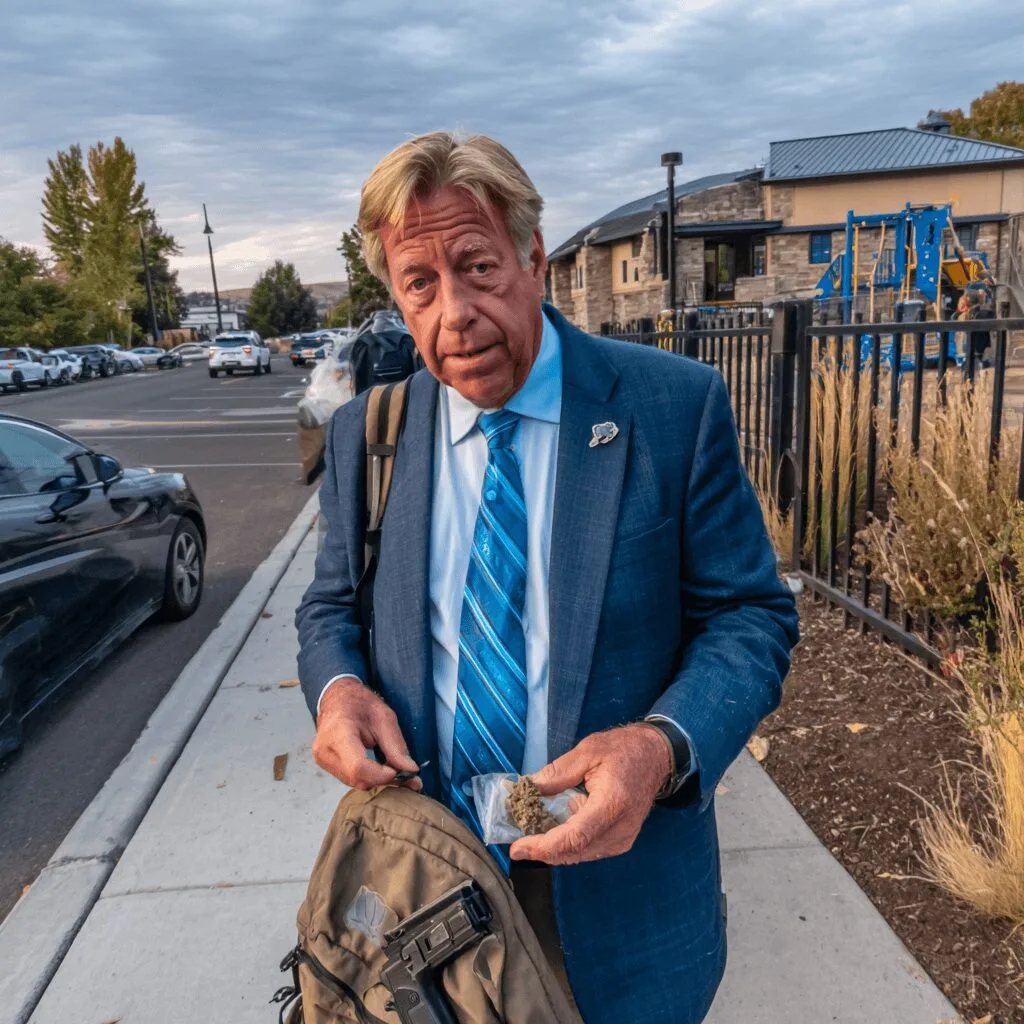
The superintendent marijuana arrest making national waves happened in Macomb County, Michigan, as reported by MLive and several leading outlets. In November 2025, the ex-superintendent—once a respected figurehead in Michigan’s educational circles—was apprehended after bringing both cannabis and a handgun onto school property. According to court filings and police reports (Macomb Daily), the individual was caught near the school entrance, where security discovered a backpack containing marijuana buds, rolling papers, and a pistol. Similar controversies, like those involving high-profile marijuana traffic stops in other cities, have stunned local communities leading neighborhoods to reevaluate their stance on cannabis enforcement. The school district swiftly responded by placing the superintendent on administrative leave, citing zero-tolerance policies for drugs and weapons. Subsequently, the official pled guilty to charges related to possession of a weapon in a school zone. The sentencing phase is set for early 2026, signaling more legal consequences. News coverage underscores that conflicting state and federal rules play a central role in cases like this, showing how even well-informed professionals can stumble over the labyrinth of cannabis law.
Expert Analysis & Insights on Superintendent Marijuana Arrest
From my vantage point in the cannabis industry, the superintendent marijuana arrest highlights the very nexus of stigma, outdated laws, and real-world complexity. Top voices like Leafly policy editor Bruce Barcott have noted, “Until federal law catches up with state reforms, professionals remain in the crosshairs, even when legally compliant elsewhere.” That’s not just a soundbite, it’s a reality. The case demonstrates why school policies must evolve as communities become more cannabis-literate. Similar complex legal territory was explored in the recent ballot debates in Massachusetts as voters there consider major changes to cannabis regulation and reform questions. Many advocacy groups have argued for nuanced reforms, ensuring that legitimate medicinal or recreational users aren’t criminalized for small missteps, especially when legal lines are blurred. Additionally, industry insiders are calling for employee education programs and clearer HR guidelines so that similar high-profile incidents don’t become regular headlines. Fact is, Michigan’s cannabis industry is driving billions in economic activity (Crain’s Detroit Business). But without synchronized rules and open dialogue, professionals, educators, and everyday citizens will keep colliding with these gray legal areas.
Future Outlook & Conclusion: Lessons and Progress
So what’s next? The superintendent marijuana arrest story isn’t just another scandal—it’s a catalyst for smarter, more compassionate cannabis policies in education and beyond. As state legislatures and school boards revisit their zero-tolerance positions, we’re likely to see improved clarity and common sense. Already, reform conversations are happening nationwide, blending public safety with individual rights. Industry analysts at Marijuana Moment project sustained growth, regulatory progress, and better societal integration. It all points toward a future where cannabis, law, and professionalism can coexist—without unnecessary drama. One thing’s for sure: the superintendent marijuana arrest has left its mark, sparking dialogue that could finally bring our laws in line with modern realities, benefiting schools and the community at large.
Originally reported by: mlive.com


1 Comment
Pingback: School Zone Drug Weapons Bust: Shocking Traffic Stop Secrets