





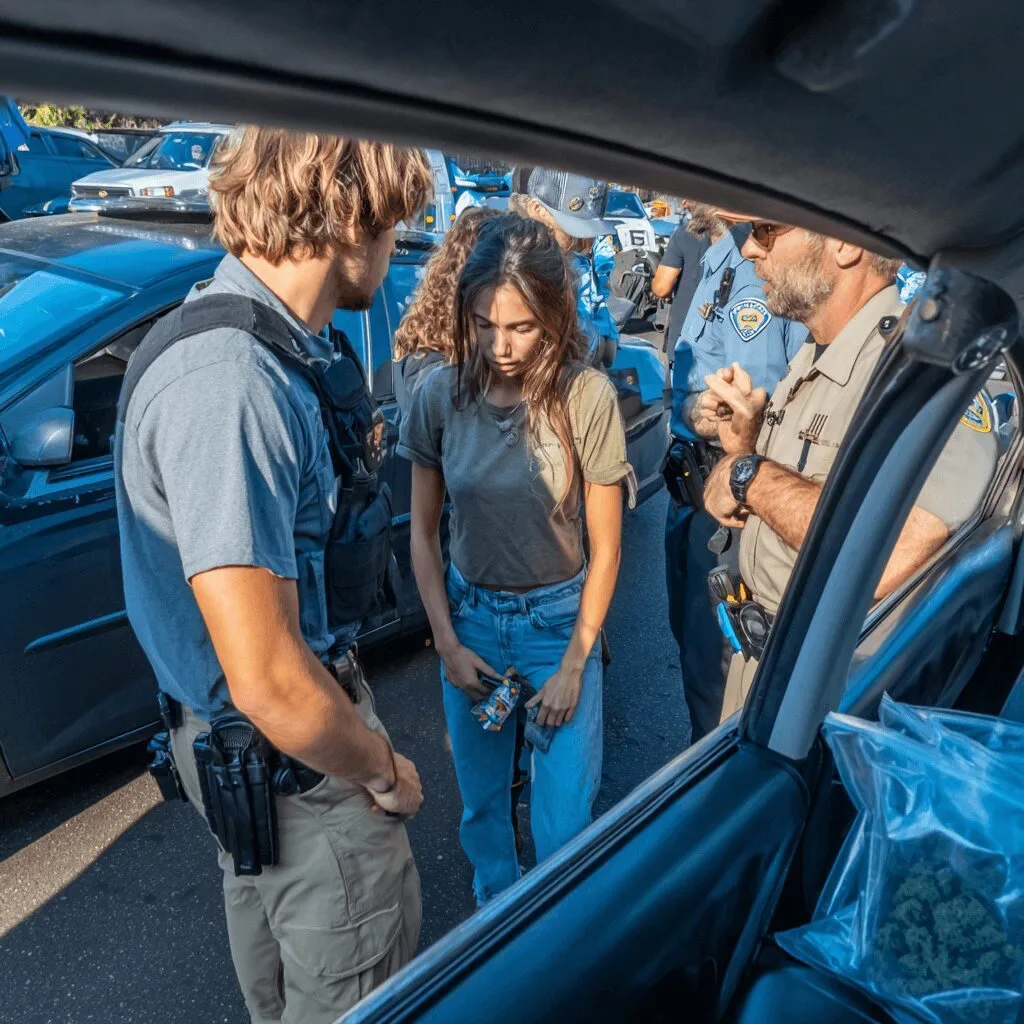
Shocking drug-dealing traffic arrest stuns Alachua drivers
The recent drug-dealing traffic arrest in Alachua has set social media ablaze and sparked community debate about cannabis, the law, and public safety. With market trends shifting toward decriminalization and cannabis reform gaining steam across the U.S., this incident stands out as a reminder that not all regions have reached consensus. As more states and cities push for regulated adult use, high-profile cases like this show the disconnect between policy evolution and on-the-ground policing. We’ll break down the facts, examine the backstory, and offer an expert perspective on what this means for the cannabis industry in Florida and beyond.
Regulatory & Social Background: Cannabis in Florida and the Road to Reform
Florida’s evolving relationship with cannabis is a rollercoaster. Medical marijuana has been legal since 2016, but the state’s stance on recreational use remains strict, according to the Florida Statutes. Alachua County, like much of Florida, remains wary on enforcement, even as polls show growing support for legalization (Pew Research Center). Law enforcement finds itself at the crossroads of outdated laws and social change, a tension echoed in other states where progressive ballot measures or evolving regulations, such as those considered by Massachusetts voters, are underway (here). Meanwhile, cannabis industry revenues continue to climb, and high-profile arrests gain outsized attention. It’s this backdrop, part simmering culture war, part rapidly growing, lucrative industry, that makes a drug-dealing traffic arrest anything but routine.
Key Developments: What Went Down During the Drug-Dealing Traffic Arrest
According to coverage from the Alachua Chronicle, two young adults were arrested on drug-dealing charges after a routine traffic stop on a busy street in Alachua County. Police pulled over an ordinary sedan in the middle of the day, suspecting a traffic violation. As officers approached, they reportedly noticed visible cannabis in clear bags on the dashboard and additional bags scattered around the vehicle. Both plainclothes and uniformed officers participated in the stop. The suspects, whose identities were made public in legal documents, were charged with possession and intent to distribute, facing possible felony charges under Florida’s tough drug statutes. Public reactions were swift, with many local drivers stunned by the unfolding scene and others questioning the balance between public safety and cannabis criminalization. Cases like these resonate nationally, similar to high-profile narcotics investigations in other states that trigger widespread discussion about policy and justice (example). The drug-dealing traffic arrest instantly became a talking point not just in Alachua but far beyond, symbolizing the clash of old laws and new attitudes.
Expert Analysis: What Industry Pros Say About the Arrest, and Why It Matters
The drug-dealing traffic arrest highlights how Florida’s restrictive framework puts the spotlight on cannabis in the wrong ways. As legalization discussions heat up, these incidents raise questions about where the line is drawn. According to Marijuana Moment, high-profile busts often “underscore the need for thorough, compassionate reform and greater public understanding,” says leading cannabis advocate and attorney Keith Stroup of NORML. He explains: “When states criminalize cannabis at this level, we aren’t winning the war on drugs, we are just holding back public health and wasting resources.” This scenario also echoes market realities: Florida’s legal market is booming, yet consumers without access to regulated dispensaries may resort to informal channels. As Forbes cannabis coverage notes, criminalization doesn’t halt demand, it just moves it elsewhere. In other states, legislative actions related to THC regulations also shape consumer behavior and market trends, as seen with new limits in Texas (see here). Looking beyond Florida, most major national advocacy groups point out that policing priorities often lag behind legal and social shifts. This arrest serves as both a warning and a wakeup call for policymakers, businesses, and everyday citizens alike. How we respond as a culture and an industry will influence the pace of progress and the lives of thousands of Floridians.
Outlook: The Future of Cannabis, Policy, and Social Acceptance
Despite the shockwaves from this drug-dealing traffic arrest, the cannabis community remains resilient and optimistic. As more data emerges showing the benefits of regulated markets, the case for reform only gets stronger. Florida has an active medical cannabis program and polls support further legalization. According to Marijuana Policy Project, local and state lawmakers are reviewing proposals for decriminalization and expanded access. Public sentiment is evolving: each headline, like this arrest, sparks fresh debate and demands accountability from those shaping policy. In the end, incidents like this are stepping stones on the road to a sensible, just approach to cannabis—one focused on safety, equity, and economic opportunity. As advocates and experts remind us, progress is inevitable. The future for cannabis in Florida and across the U.S. looks greener than ever.
Originally reported by: alachuachronicle.com

1 Comment
Pingback: China investor treatment: What Global Investors Must Know