





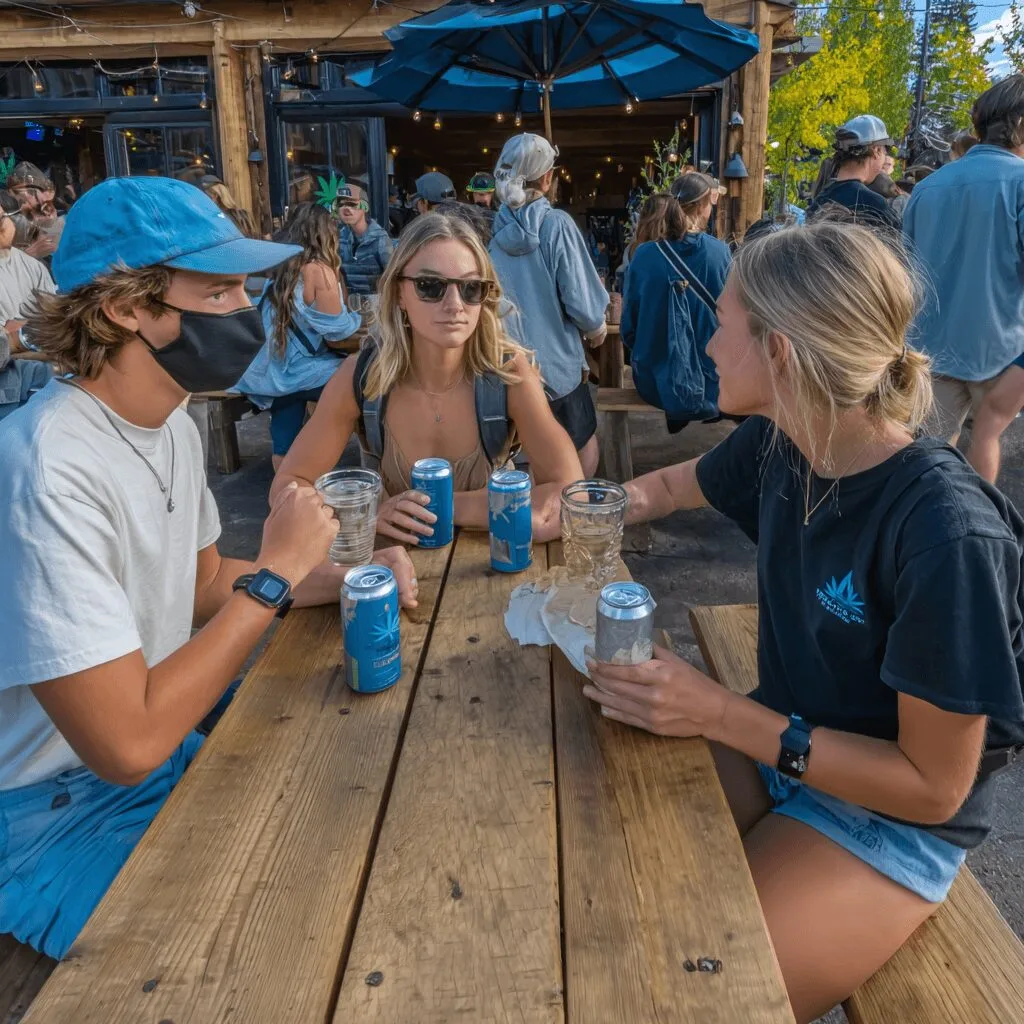
THC drinks hemp industry ban: What’s next for hemp businesses?
Right now, the THC drinks hemp industry ban is stirring up heated talks among consumers, advocates, and entrepreneurs. With THC-infused beverages exploding in popularity, legal crackdowns could upend the market overnight. For anyone riding the green wave—from indie beverage makers to major players—understanding what’s at stake in this evolving landscape matters more than ever. This article covers the latest regulatory shake-ups, what’s driving them, and what the future may hold for those invested in hemp-based THC drinks.
The Roots of the THC Drinks Hemp Industry Ban: Regulatory and Social Context
Let’s set the stage for the THC drinks hemp industry ban. In 2018, the Farm Bill federally legalized hemp as long as it contains no more than 0.3% Delta-9 THC by dry weight. Suddenly, hemp-derived cannabinoids like CBD and Delta-8 THC surged on the shelves, often with little oversight, according to the FDA. But as technology evolved, companies started infusing these newly legal hemp extracts into drinks, blurring lines with recreational cannabis products, now sold in everything from seltzers to mocktails. State regulators grew concerned about public health, youth access, and product safety, as highlighted by MJBizDaily. Some states, like Minnesota and Texas, rushed to implement their own restrictions to get ahead of the booming, intoxicating market for hemp THC beverages. These rapid regulatory shifts in places like Minnesota are part of the broader marijuana logistics crisis, with disruptions detailed here. Social attitudes toward cannabis are shifting, but lawmakers still struggle to balance regulation, innovation, and consumer protection. That’s the tension at the core of the THC drinks hemp industry ban.
Key Developments & Issues in the THC Drinks Hemp Industry Ban
Let’s zoom in. Recent events amount to a shakeup for the THC drinks hemp industry ban. According to the Philadelphia Inquirer, legislators in Pennsylvania are considering a sweeping ban on all intoxicating hemp-derived products, including Delta-9 THC drinks. The proposal forms part of House Bill 220, introduced in December 2023. This follows crackdowns already seen in states like New York, where regulators have issued warnings and product seizures based on beverage THC content, as reported by The Cannabist. Meanwhile, major beverage brands such as Cann, Keef Brands, and independent shops are bracing for the outcome. Some stores have begun pulling hemp-based THC drinks off shelves in anticipation of new laws. The industry’s rapid growth, valued over $300 million in 2023, per BDSA Analytics, faces sudden uncertainty as lawmakers debate addiction risk, underage sales, and federal-state policy gaps. The shifting legal environment is one example of how hemp consumable law limits are actively changing the legal landscape for cannabis, as explained in this update. This is a complex regulatory scramble, not just a local issue, as several states are reviewing hemp product rules and licensing for all THC-infused drinks in a patchwork policy landscape. The THC drinks hemp industry ban is now a live wire topic across nationwide news and business circles.
Expert Analysis, Insights & Pro-Cannabis Counterpoints
So what does all this mean for the future of the THC drinks hemp industry ban? Pull up a seat. From my experience, and echoed by thought leaders, the situation reveals a familiar tug-of-war between public safety and business innovation. While some lawmakers fear a “Wild West” scenario for THC drink sales, industry veterans insist that targeted regulation, not outright prohibition, is the smart path forward. Jane West, a noted cannabis entrepreneur, told Leafly, “Prohibition never works. We need robust, enforceable age-gating and product testing, not bans that chase the market underground.” As consumer demand grows, experts say more standardized rules and better education are needed rather than knee-jerk legislation. Product safety concerns are real but manageable, as seen in adult-use cannabis states with tested and labeled THC beverages, according to NORML. These regulatory battles are especially relevant to families as school incidents involving cannabis edibles have increased—with one such incident leading to schoolkids being hospitalized—underscoring the need for clear, responsible laws. In fact, some believe the sudden restrictions highlight the very need for a legal, regulated market for all cannabinoids. The fight over the THC drinks hemp industry ban is not just about products, it’s about the future of common-sense cannabis regulation and safe access for responsible adults.
Looking Ahead: The Future of THC Drinks and Hemp Business
Despite the challenges posed by the THC drinks hemp industry ban, there’s still plenty of reason for optimism. The cannabis industry has weathered legal storms for decades, always finding new pathways as science and public attitudes evolve. As states and federal regulators seek to harmonize their approaches, trade groups like NCIA are advocating for clear, fair standards for hemp-based THC beverages. Grassroots support for responsible cannabis consumption keeps growing, and savvy policy solutions have emerged in states already navigating successful markets. While the uncertainty weighs heavily right now, smart regulation—not prohibition—could ultimately help the hemp beverage sector thrive while safeguarding consumers. As history shows, attempts to ban or restrict cannabinoids only inspire new innovation and advocacy. In the end, the THC drinks hemp industry ban may prove to be just another pivotal chapter in the ongoing journey toward broader legalization, acceptance, and growth—backed by both community voices and respected industry research sources like Hemp Benchmarks. For anyone who cares about cannabis, this is far from the final word.
Originally reported by: inquirer.com


1 Comment
Pingback: Arkansas medical marijuana regulation: What’s behind the panel’s delay?