





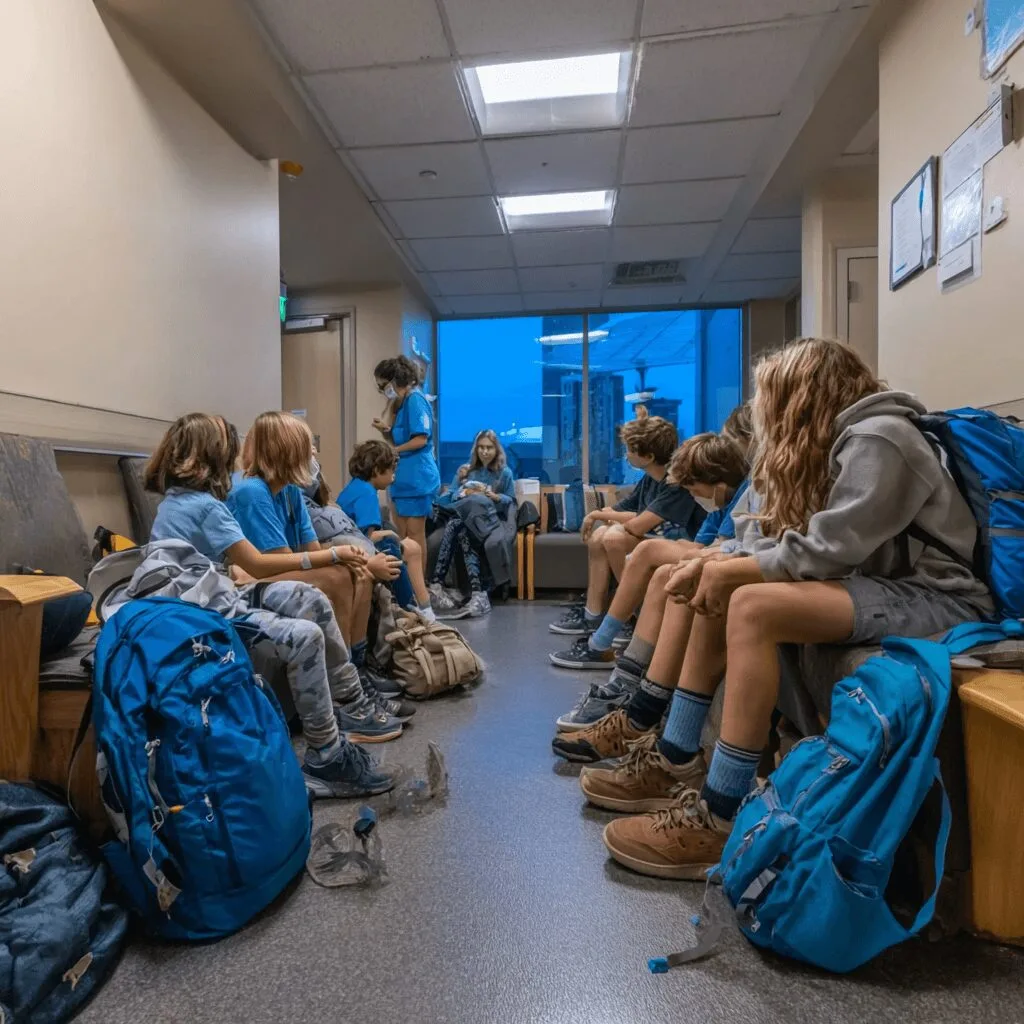
Schoolkids Hospitalized Cannabis Edibles: Shocking Fort Lauderdale Incident
If you’ve seen headlines about schoolkids hospitalized cannabis edibles, you’re not alone. This topic is blowing up right now because it’s a stark reminder that the cannabis market isn’t just about legal dispensaries and grownups having a chill time. When news hit that students in Fort Lauderdale landed in the hospital after accidentally eating THC-infused snacks, it sent shockwaves—turning a market trend into a teachable moment for parents, teachers, policymakers, and advocates alike. We all want sensible regulations and honest conversations. Let’s break down how the phrase schoolkids hospitalized cannabis edibles became more than just another news cycle buzzword and what it means for all of us.
Current Cannabis Market: Background & Context
The world of cannabis has evolved faster than most people expected. Over the past decade, legal markets like California and Colorado opened the floodgates to creativity, THC gummies, chocolates, and other edibles are everywhere now. According to Leafly, the edibles market alone is topping billions in annual revenue, showing no signs of slowing down. But there’s a shadow side, with packaging that sometimes mimics mainstream candies and lax home storage, kids get curious. Regulatory bodies, such as the FDA, have issued repeated warnings about keeping edibles out of reach and creating child-safe packaging. States enforce some strict labeling rules, but as noted by NORML’s latest briefing, there’s a continuous effort to catch up with the creativity of the edible market. As marijuana reform accelerates in different states, including measures that appear on ballot initiatives and change norms, you can see how fast regulations are developing by reading about the rise of ballot measures on cannabis and psychedelics. Stories like the schoolkids hospitalized cannabis edibles case raise community conversations about balancing access and safeguarding kids in a rapidly changing landscape.
The Fort Lauderdale Fallout: Key Developments & Issues
Here’s what happened, according to The Daily Beast, on a regular weekday at William Dandy Middle School in Fort Lauderdale, several students started feeling dizzy, sick, and disoriented after lunch. After quick work by staff and EMS, at least nine kids were sent to Broward Health Medical Center, and the story blew up nationwide. School officials and police swiftly confirmed that the snacks in question were cannabis edibles disguised as standard candies, gummy bears and other chewy treats.
Officials pointed out that these products weren’t purchased through licensed dispensaries, highlighting the risk of unregulated or illicit THC treats circulating among minors. In regions where marijuana trafficking remains an issue, roadside incidents can also contribute to unregulated products entering schools, for example, the busts you read about in South Carolina marijuana seizure cases. All nine children were eventually stabilized and released the same evening, but the event spurred an immediate local investigation. The Broward School district, for its part, reiterated policies to keep substances, any kind, off campus. As their spokesperson put it, “This is first and foremost about student safety, and we take it seriously.” The incident also triggered renewed calls for tighter edible regulations and a robust discussion with parents across Florida about the risks of keeping potent edibles at home or inadvertently sending them to school.
Expert Analysis & Pro-Cannabis Counterpoints
Industry Response: Preventing Schoolkids Hospitalized Cannabis Edibles Incidents
Let’s keep it real, nobody in the cannabis industry wants to see schoolkids hospitalized cannabis edibles. Incidents like this are tragic, but also unusual given how widely edibles are used by adults.
Industry leaders and experts point out that education is the best defense. As Cannabis Business Times reports, states like Colorado have invested in public campaigns, like Be Smart, teaching consumers about responsible storage and childproofing. You can also see how broader changes in cannabis regulation can set the stage for a safer marketplace by reading about recent legislative efforts to reshape cannabis policy at the national level.
Erin Gore, CEO of Garden Society, underscores a vital truth: “The vast majority of cannabis consumers are responsible adults. When these rare incidents happen, it highlights the need for better education, not an indictment of the plant or the people who use it.” (Forbes)
It’s important to stress most products from licensed dispensaries use child-resistant packaging and clear labeling. Data from MJBizDaily shows states with robust regulation report far fewer accidental ingestion cases compared to places where weed is still black market. As researchers at UC Davis Health note, “Education and secure storage, not outright bans, are the keys to preventing accidents.”
The Road Ahead: Optimistic Outlook for Cannabis Safety & Policy
If there’s a lesson from the schoolkids hospitalized cannabis edibles scare, it’s that the industry can—and should—lead with safety and transparency. Public dialogue is growing, and the regulatory landscape keeps evolving. Already, more states are requiring products to be less attractive to children and easier to tell apart from mainstream candy, as outlined by the California Cannabis Portal. Social attitudes are also changing: the majority of Americans now support legalization, but with a strong emphasis on safe access and youth protection. As these improvements take hold, the phrase schoolkids hospitalized cannabis edibles will hopefully fade into history—not as a warning, but as proof that the cannabis community stepped up, learned a tough lesson, and made the scene safer for everyone. Let’s look to a future where responsible enjoyment and youth protection go hand in hand.
Originally reported by: thedailybeast.com



1 Comment
Pingback: Nova Scotia cannabis enforcement: Inside the crackdown