





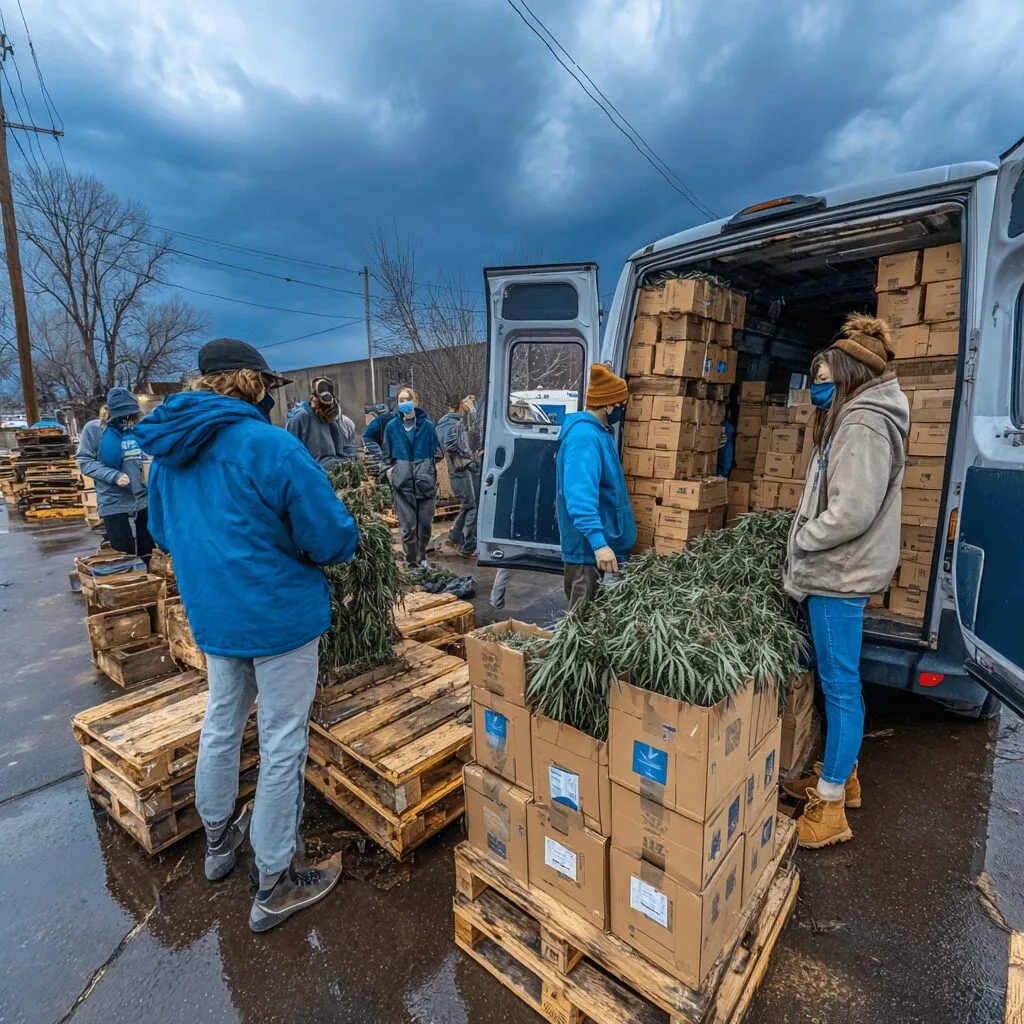
Minnesota marijuana logistics crisis: What’s really disrupting the market?
Right now, the Minnesota marijuana logistics crisis is wreaking havoc just as the state’s adult-use cannabis market tries to launch. Delivery delays and regulatory confusion are fueling frustration among everyone, from new entrepreneurs to curious customers and longtime advocates. Understanding why these obstacles exist, and what they mean for the industry’s future, matters to anyone invested in Minnesota cannabis—from cultivators rolling their first joints to consumers ready to light up.
Understanding the Backdrop: Regulatory Roots of the Minnesota marijuana logistics crisis
The Minnesota marijuana logistics crisis isn’t your average supply chain hiccup, this is a direct result of complex and sometimes clashing regulations just as the state’s adult-use cannabis market is preparing for launch. In Minnesota, as in other new legal markets, lawmakers want to avoid mistakes seen in other states, including sudden surges in illicit activity or oversupplied markets leading to enforcement concerns. According to the Minnesota Public Radio, recreational cannabis was authorized by state law in 2023. However, the legal language left massive gray areas around who could legally transport, store, and handle cannabis, especially before the final regulatory systems are established.
In this environment, the confusion among local businesses, delivery services, and distributors over compliance and licenses has severe effects on investments and day-to-day operations. Cities across the state, as reported by the Star Tribune, have enacted temporary moratoriums or zoning rules, intensifying pressure on supply and logistics operators. Similar dynamics have been seen elsewhere in North America, for instance, as community leaders and lawmakers in Nova Scotia took new actions to enforce local cannabis regulations, demonstrating how enforcement and legislative complexity impacts regional cannabis logistics.
Key Developments & Issues Driving the Minnesota marijuana logistics crisis
Let’s break down what’s happening on the ground. According to MJBizDaily, the new Minnesota adult-use market faces heavy logistics setbacks. Licensed cultivators, including several new social equity operators, are sitting on product they can’t move. Distributors remain stalled as temporary licenses for logistics weren’t issued on time, leading to flower, concentrates, and edibles stuck at the point of manufacture or harvest.
- Licensing delays: The Office of Cannabis Management missed its target for issuing crucial transport and warehousing licenses by April 2024, leaving industry operators in limbo.
- Unclear local approvals: Local governments in areas such as Minneapolis, St. Paul, and Duluth have implemented layered restrictions and zoning laws, often out of sync with state rules.
- Inventory bottlenecks: Product from companies like Green Valley Holdings and independent processors is piling up in warehouses, with expiration and insurance costs mounting.
- Risk and liability: Without clear rules, distributors face high insurance costs and tough compliance audits. Many insurers, per Insurance Journal, are reluctant to cover cannabis loads when regulations remain shifting.
- Operational confusion: Delivery drivers and warehouse workers face ongoing uncertainty regarding documentation, vehicle markings, and secure cargo, resulting in fines or product seizures.
Retailers, especially well-established independent hemp stores moving into THC products, find themselves unable to stock shelves or plan launch dates. Meanwhile, supply gaps, price increases, and growing consumer frustration define daily reality. These situations echo other states’ disorderly rollouts, such as the real-world traffic stop story in Florence County where seizures affected local commerce just as it does in Minnesota, highlighting how enforcement and supply disruptions go hand-in-hand.
Expert Analysis, Industry Insights & Pro-Cannabis Counterpoints
Although these logistical headaches are significant, the Minnesota marijuana logistics crisis signals a deeper effort by regulators to build a sustainable and compliant industry. Industry watchers at Marijuana Moment have noted that while the pain is real now, these very bottlenecks can lead to a safer, more reliable market in the long run.
As cannabis policy analyst Sally Fisher recently told Leafly: “Every young legal market faces growing pains. The key is transparent communication, risk management, and a focus on equity, rather than just rushing product to shelves.”
Across the country, internal debates persist as more states work through initial turbulence—New York and Illinois included—and ultimately end up with stronger, more equitable cannabis sectors. In this atmosphere, advocates see renewed motivation for mutual aid and community-driven solutions. The rise of activist-led change isn’t unique to Minnesota—recently, rural towns nationwide have seen their own cannabis-related crises spark local reflection and change, such as when a major marijuana bust triggered questions and debates throughout Oklahoma, demonstrating how regional enforcement actions raise policy and operational concerns for communities everywhere.
Future Outlook & Conclusion: Resilience Beyond the Minnesota marijuana logistics crisis
Yes, the Minnesota marijuana logistics crisis stings, but as history shows, this is just a speed bump on the road to a thriving, mature market. With regulators listening (finally), local operators innovating, and advocates holding the state accountable, expect to see brighter days—fewer delays, more equitable access, and a real shot at making Minnesota a national model for responsible cannabis commerce.
Industry experts at the National Conference of State Legislatures agree: Well-regulated logistics frameworks are essential for public safety, consumer satisfaction, and long-term industry health. Temporary setbacks now could mean smoother, safer transactions for Minnesotans down the road. And who knows—after all these struggles, maybe Minnesota will throw a launch party to make even Colorado jealous.
Keep your eyes peeled and your grinders ready—Minnesota’s best cannabis era is still ahead. When the smoke clears, local growers, entrepreneurs, and everyday consumers just might find themselves in a greener, more welcoming, and more reliable marketplace than ever before.
Originally reported by: mjbizdaily.com



2 Comments
Pingback: Interstate Cannabis Travel Laws: What You Need to Know Now
Pingback: hemp consumable law limits: What You Need to Know Now