





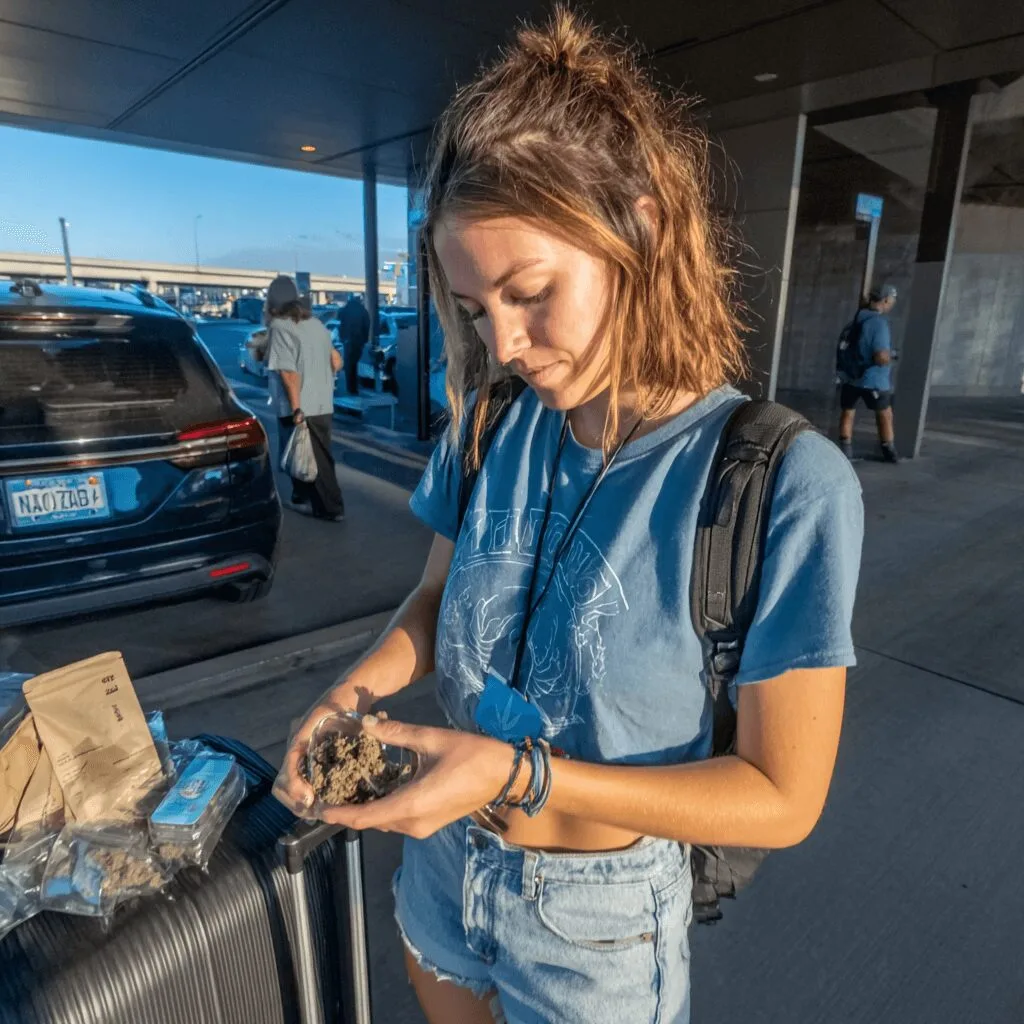
Interstate Cannabis Travel Laws: What You Need to Know Now
With cannabis culture on the rise and more states jumping on the legalization train, knowing the ins and outs of interstate cannabis travel laws is more important than ever. Whether you’re flying into LAX or packing up for a road trip through California’s scenic highways, understanding legal do’s and don’ts isn’t just smart—it’s essential. From evolving federal regulations to high-profile busts making headlines, recent developments have put cannabis travelers under the microscope. Let’s break down what you need to know about journeying with green in your pocket and staying on the right side of the law.
Understanding the Landscape: How Interstate Cannabis Travel Laws Work
The legal status of cannabis is a constantly shifting mosaic in the United States. States from California to Illinois have created their own rules, leading to a patchwork of policies about possession, consumption, and travel. Federal law, according to the Drug Enforcement Administration (DEA), still classifies cannabis as a Schedule I substance, making transportation across state lines technically illegal. However, within state borders, laws are governed by local legislatures. Social attitudes are evolving fast, over two-thirds of Americans now support some form of legalization, as reported by Pew Research. With more frequent domestic flights and cross-border trips, questions about interstate cannabis travel laws are landing in legal inboxes nationwide. Recent high-profile enforcement actions, such as major marijuana busts shaking rural towns, show that knowing the boundaries, literally and figuratively, can keep you hassle-free on your travels. Read about a recent marijuana bust that highlights real local impacts.
Major Moves: Recent Developments in Interstate Cannabis Travel Laws
The world of interstate cannabis travel laws has seen headline-making moments in the past year. California, for instance, continues to permit adults 21 and over to carry up to one ounce of cannabis for personal use. But, as highlighted by The Desert Sun, carrying that stash across state lines, even to other legal states, remains federally prohibited. Air travel adds another layer, the Transportation Security Administration (TSA) publicly states its focus is on security threats, not personal cannabis possession, but they are legally bound to report unlawful finds to law enforcement. In 2024, multiple high-profile cases have tested the system, including several travelers detained at airports for carrying more than their state’s legal limit, prompting new signage at California airports and increased patrols on major highways out of legalization states. Similar roadside enforcement actions, such as the recent Florence County marijuana seizure during a traffic stop, have stirred debate about state borders and law compliance. Learn how local enforcement can impact travelers. The U.S. Senate has also reignited debates over federal decriminalization, but no comprehensive national reform has passed as of June 2024.
Expert Perspective: Insights and Advocacy on Interstate Cannabis Travel Laws
Understanding interstate cannabis travel laws means looking beyond the legalities to the real-world risks and trends. ‘Cannabis may be legal in your home state, but crossing into another, even a green-friendly one, opens a Pandora’s box of laws and gray areas,’ notes Leafly senior editor Bruce Barcott. Industry leaders agree: ‘Education is crucial for consumers, a moment’s slip can spell legal headaches,’ says NORML’s executive director Erik Altieri. Meanwhile, market demand for travel-safe, compliant cannabis packaging has exploded as businesses strive to protect travelers from accidental infractions. Legal sources like Marijuana Policy Project also underscore the need for travelers to follow both state and federal laws until broader reforms happen. Stories like the Minnesota marijuana logistics disruptions offer a window into the complexities behind interstate cannabis movement. Discover the behind-the-scenes challenges facing cannabis logistics. So, the bottom line: be chill but stay sharp, and always check the laws on both ends of your trip.
The Road Ahead: Safer, Smarter Travel in a Greener Future
As normalization of cannabis continues, most experts predict interstate cannabis travel laws will become clearer and friendlier for everyday consumers. California and other legal states are leading the charge by educating residents and advocating for federal reform. As NPR recently highlighted, federal agencies are under pressure to modernize outdated cannabis regulations. While the landscape remains complicated today, the momentum for safe, responsible travel keeps rolling forward. So pack smart, know your limits, and trust that the movement for freedom, fun, and fairness is here to stay.
Originally reported by: desertsun.com


