



THC candy elementary school crisis: What really happened?
If you thought the days of mystery snacks at school were wild, today’s headlines prove we’ve entered a whole new realm: THC candy in an elementary school. Cannabis-infused edibles accidentally making their way into kids’ hands isn’t just a punchline—it signals big questions about regulation, packaging, and modern parenting. The buzz around the recent Rancho Cordova incident has parents, teachers, and the broader cannabis crew reevaluating how we manage safety. In this article, we’ll unpack what happened at this THC candy elementary school event, cover the facts, examine regulatory gaps, and offer some hard-hitting industry analysis—mixing a bit of wisdom and chill, of course.
Shifting Laws, Evolving Risks: How Cannabis Policy Shapes Reality
The explosion of legal cannabis, especially edibles, has upended how we think about drug safety and childhood. States like California operate in a climate where adult-use legalization has increased product variety, but also complicated oversight. Despite packaging guidelines, accidental consumption rates among children have notably risen, according to authoritative reports from JAMA Pediatrics. Most regulations focus on adult safety and fail to fully address the reality of sweets, branding, and distracted moments at home. Social acceptance is on the rise: Pew Research finds over 88% of Americans now support some form of legalization. However, normalization comes with growing pains, especially when the lines between child-friendly and adult-only products blur. With the market rapidly expanding, the THC candy elementary school conversation stretches beyond a single incident; it’s about adapting safety standards to a brave new edible world. This atmosphere is not unique to California, as communities across the country debate how cannabis zoning shapes local life, something recently explored in discussions about East Metro communities.
THC Candy Elementary School Incident: Unwrapping the Facts
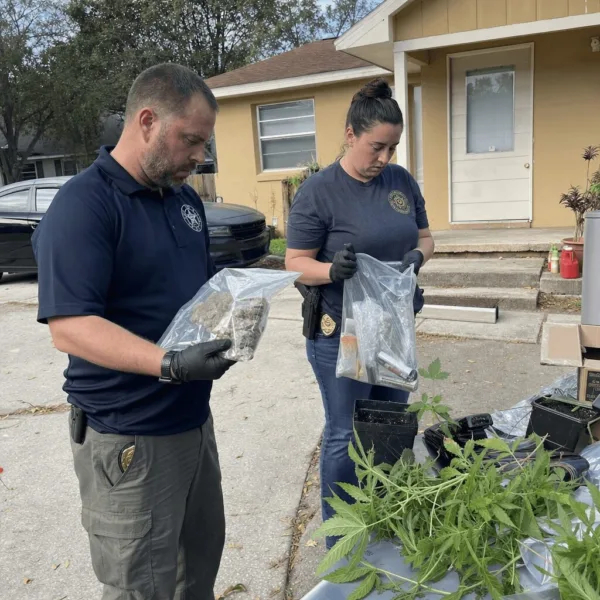
It all went down in May 2024 at an elementary school in Rancho Cordova, California. Several kids felt sick after eating colorful candies, handed out by a classmate who brought treats from home. According to KCRA News, school officials soon realized the candies contained THC, the psychoactive ingredient in cannabis. Nine students showed symptoms such as nausea, dizziness, and lethargy. Paramedics arrived, and thankfully, all affected children were treated on campus or at local hospitals with no lasting medical complications. Sheriff’s deputies and school authorities launched an official investigation to trace the source. The candies, packaged in a way that looked almost indistinguishable from mainstream non-infused brands, reportedly originated from a caregiver’s supply. Locally, panic met frustration—parents demanded answers, and the district reviewed its snack policies. The Sacramento County Sheriff’s Office explained that no criminal charges were immediately filed, but educational outreach has increased in the wake of the THC candy elementary school episode. This wasn’t the first time California schools faced an edible-related scare, but the details spotlighted gaps in how edibles are stored, labeled, and discussed with children. While this incident is notable, other regions have also faced heightened public attention after large-scale cannabis product seizures, as seen in recent news from Colorado’s Pueblo storage bust.
Expert Insights: Edibles, Kids, and the Road to Responsible Use
This situation serves as a wake-up call layered with nuanced lessons. Responsible cannabis use is at the core of our advocacy, so stories like the THC candy elementary school crisis hit home—and the policy pages. First, packaging is key. As Leafly explains, “Child-resistant packaging is essential, but it’s only as effective as the education behind it.” Making edibles look less like classic kids’ treats and more like grown-up wellness tools is another step many in the industry champion. Industry veteran and cannabis safety educator Sarah Jones said, “Education has to start at home and continue in schools, kids are curious, and adults need to outsmart that curiosity with honest conversations and strict storage.” These words echo wider calls for more consumer and parent education as the cannabis sector grows. Balancing proactive safety with education is vital, especially as the industry moves forward and new retail trends emerge, like those discussed in Los Angeles’ evolving cannabis retail scene. And let’s be real: cannabis-laced treats aren’t evil, but they demand respect—a theme seen in forums like Marijuana Moment and embedded in nearly every responsible retailer’s code.
A Bright Path Forward: Cannabis Can Be Safe—With the Right Guardrails
The THC candy elementary school story may have started as a cautionary tale, but it’s fueling overdue change. Regulators, parents, and the cannabis industry are now collaborating more closely than ever. According to analyses from NORML, states with robust child-safety and education policies have actually seen fewer accidental exposures over time. There’s momentum for packaging reforms, clearer labeling, and, above all, more open talk about safe storage. As cannabis acceptance keeps rising, so does our collective responsibility. We’re steering the industry toward smarter compliance, better outreach, and, most importantly, making sure that ‘THC candy elementary school’ is just a learning moment—not a recurring headline. With a growing market and wiser consumers, the future is green, conscious, and, with any luck, a lot less dramatic for our schools.
Originally reported by: kcra.com