


Brazilian influencer drug arrest: Shocking twist revealed
The cannabis world just took an unexpected turn with the recent Brazilian influencer drug arrest making headlines worldwide. If you care about justice, social perceptions, or the evolving cannabis industry, this story is a must-watch. With fresh legal twists, media buzz, and public backlash brewing, the stakes are high for Brazil’s young digital creators and the future of South American cannabis regulation. Let’s dive into the realities beneath the scandal, how the cannabis community is reacting, and what this all really means for social justice and the global cannabis movement.
Setting the Stage: Legal, Social, and Cultural Backdrop
Brazil remains one of Latin America’s harshest legal battlegrounds for cannabis. Current laws classify even minor possession as a criminal act, according to detailed reports from BBC News. Social stigma also runs deep, driven by decades of tough-on-drugs ideology and a sensationalist media. Yet, a thriving counter-culture and rising public demand for reform challenge these norms. While cannabis remains illegal for recreational use, a slow tide of medical approvals and court challenges is reshaping public discourse, just as we’ve seen in other rapidly changing Latin American nations (Drug Policy Alliance outlines these shifts). For digital influencers, this legal instability is a risky zone. With social media magnifying every slip, the fallout is swift, especially when the narrative centers on the Brazilian influencer drug arrest. Public reactions often reflect deeper anxieties over youth culture, shifting norms, and pressure to modernize aging drug policies. The complexities of evolving cannabis rules in different communities are also discussed in how local regulations are shaping community life through zoning and enforcement in other regions.
The Breaking Story: Key Developments & Issues Unpacked
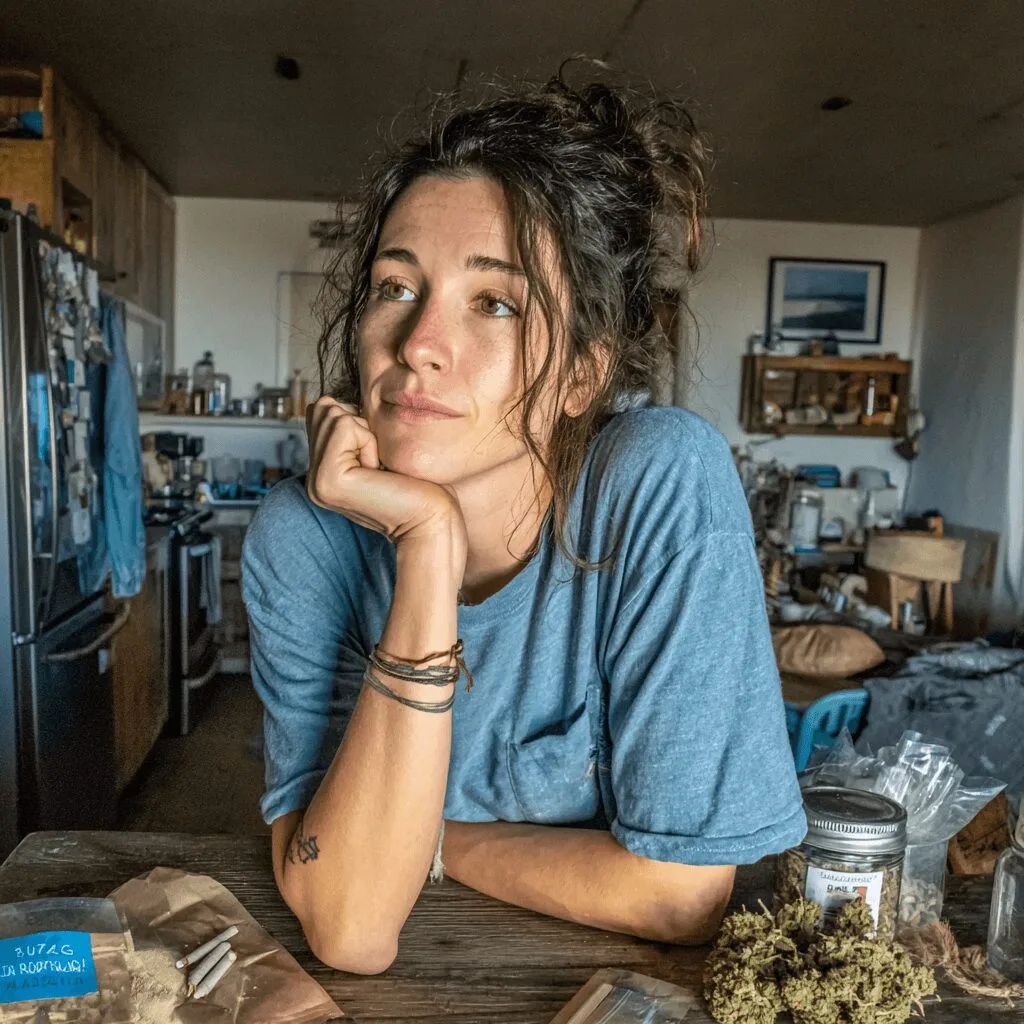
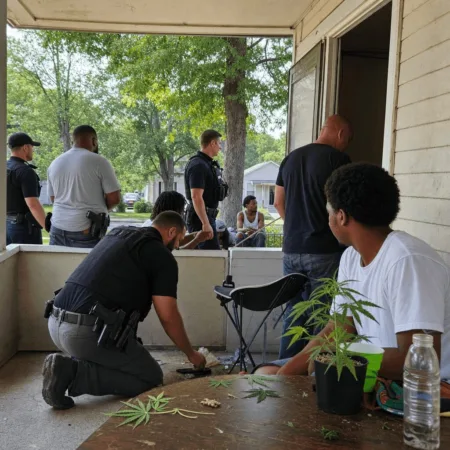
In October 2025, Brazilian authorities arrested Melissa Said, a popular influencer with nearly a million followers, in a high-profile raid on her modest apartment. Media frenzy ignited after police accused Melissa of being a ‘drug trafficking queen,’ as covered by reputable outlets including New York Post. Officers reportedly found cannabis buds and evidence of small-time distribution, including rolling papers, scales, and plastic bags. According to legal filings, the larger case focuses not just on cannabis possession but alleges that Melissa operated a broader distribution network using her social influence. These claims remain unproven as of today, and the court has yet to rule. While initial media coverage painted a damning picture, Melissa has since broken her silence, defending her innocence and decrying the harsh treatment. The phrase Brazilian influencer drug arrest trended across platforms, bringing scrutiny not only to Melissa but to the wider influencer community, who now face heightened risks for even low-level cannabis advocacy. Stories about police busts, like the Colorado marijuana storage seizure and its community impact, offer a broader perspective on how authorities handle such situations globally. Digital communities have since rallied in support, while major human rights groups watch closely, citing possible due process violations, per updates from Human Rights Watch.
Expert Analysis: Where Cannabis Culture and Law Collide
This arrest didn’t just shake one influencer’s world, it sent ripples throughout Brazil’s cannabis and digital creator ecosystem. Public reaction splits between condemnation and support, and industry experts underline the outdated legal approach. As Amanda Silva, editor at Cannabis Magazine Brasil, puts it: “Cases like the Brazilian influencer drug arrest highlight why our legal system desperately needs reform, we criminalize youth and innovation while ignoring social realities.” Legal scholars agree, pointing out that similar high-profile cases have often ended with dismissed charges or reduced sentences once public attention fades.
On a larger scale, this saga reflects global cannabis industry shifts. Canada, parts of the U.S., and much of Europe have normalized cannabis culture through incremental policy improvements (NORML details global trends). Still, in Brazil, cases like this expose double standards and legislative inertia. These issues also highlight how influencers risk disproportionate punishment for simply living authentically. For those interested in understanding how cannabis-related phenomena manifest in other environments, the shifting campus culture and enforcement patterns in universities, such as recent campus-specific cannabis cases, reveal new trends and risks. Bottom line? The Brazilian influencer drug arrest is both a cautionary tale and a call for common-sense reform, proof that Brazil’s legal landscape needs transparent debate, rooted in science and fairness, rather than fear.
Looking Forward: Cannabis, Reform, and Resolute Optimism
Despite the current turmoil, Brazil’s cannabis movement shows no signs of letting up. If history is any guide, controversies like the Brazilian influencer drug arrest tend to hasten public awareness and open the door for more rational, compassionate drug policies. Recent polling seen in Leafly suggests rising support for sensible reforms nationwide. More voices than ever are calling for balance, reason, and fairness. As the dust settles on this case, Brazil’s cannabis advocates continue to push, educate, and inspire — knowing that global legalization and smarter regulation are just a few bold steps away.
This isn’t just one influencer’s crisis; it’s a turning point in Brazil’s journey toward a just, modern cannabis culture.
Originally reported by: nypost.com
1 Comment
Pingback: Marijuana Traffic Stop Arrest: Shocking SPD Drug Bust Details