

Greensboro cocaine trafficking arrest: Details Revealed
It’s a wild time for drug laws in America, folks. Cannabis fields are getting legit, but alongside the green wave, old school drug busts like the recent Greensboro cocaine trafficking arrest remind us that the line between legal plants and illegal powders is still sharp. If you thought only the big cities saw drama, Greensboro says hold my rolling tray. This story goes way beyond headlines—it’s about what drug enforcement looks like today and why the difference between a plant and a powder still matters to millions. Let’s break down what happened, why it matters, and where the conversation needs to go next.
The Evolving Landscape: Laws, Policing, and Social Perceptions in North Carolina
While North Carolina continues to debate cannabis decriminalization, enforcement remains old-school for harder substances. According to the North Carolina Health News, the state has lagged behind many others on meaningful cannabis reform, even as hemp products and CBD shops line plenty of main streets. On the other hand, law enforcement resources are still heavily aimed at cracking down on harder drugs, all while cannabis stays in a legal limbo. This creates a bizarre juxtaposition: neighbors might walk past a CBD shop on their way to see police raiding a home for cocaine. It’s a classic southern contradiction, with legislation and law enforcement torn between tradition and new realities. National conversations—highlighted by evolving federal cannabis discussions (Marijuana Policy Project)—are influencing even small towns like Greensboro, but the cannabis and cocaine divide is enforced with gusto in local policing, leading to major consequences for residents. This tension often plays out in public, such as scenes where watering marijuana plants in a public space can spark heated community debates over visibility and enforcement—similar to those described in debates found here.
Breaking Down the Greensboro Cocaine Trafficking Arrest
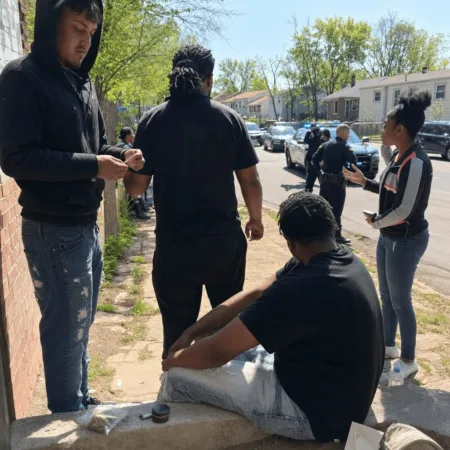
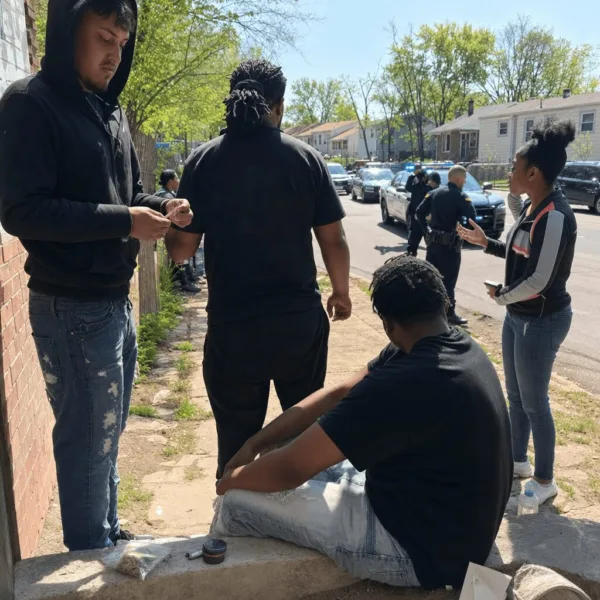
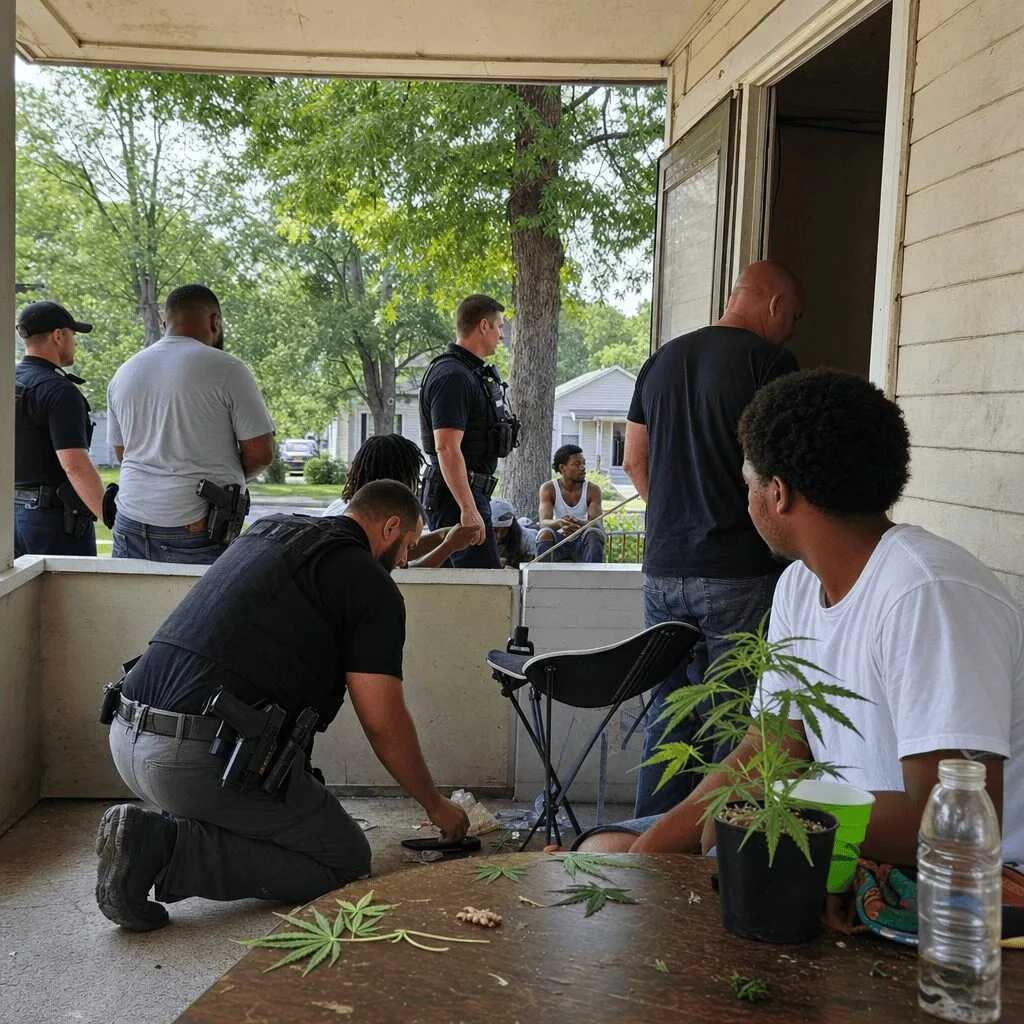
According to WFMY News 2, the recent Greensboro cocaine trafficking arrest involved a well-orchestrated police operation targeting two residences—one in Greensboro, the other in Jamestown. On a quiet morning, local and county officers executed search warrants, resulting in the seizure of a significant amount of cocaine, paraphernalia, and cash. One man, reportedly tied to both locations, was taken into custody and charged not just with trafficking cocaine but with several related drug offenses, showing the full weight of the law still leans heavy on substances seen as high-risk and high-reward by law enforcement. The bust was part of an ongoing investigation into local drug distribution, and authorities highlighted community tips as a key trigger. The Guilford County Sheriff’s Office stated that the operation is just one facet of broader efforts to curtail drug trafficking in the region, referencing ongoing collaborations with state and federal agencies. The story drew significant attention in the Triad area, reminding everyone that headlines like Greensboro cocaine trafficking arrest are far from relics of the past. For now, the accused faces serious prison time if convicted, igniting debates on drug sentencing, resource allocation, and the visible contrast to the expanding state-legal cannabis world nearby. These incidents stand in stark contrast to discussions about whether alternative substances like CBD could offer a safer wellness swap than alcohol, as explored in this comparison.
Expert Analysis: The Bigger Picture in North Carolina’s Drug Landscape
What does a Greensboro cocaine trafficking arrest really tell us about today’s drug policy and culture? First, it highlights the persistent focus on harder substances, while folks who grow a little cannabis for themselves still face legal uncertainty. Second, this case illustrates old-school law enforcement priorities even as public sentiment and economics are shifting toward legal weed. As Leafly reported in 1783020910, “Cannabis legalization is outpacing enforcement policies, creating awkward regulatory gaps and occasional, very public clashes at street-level.” North Carolina’s slow policy pace causes some odd bedfellows: on the same day as a raid, you could be talking to a neighbor about a new CBD tincture while the next street over, SWAT is kicking in a door for powder. From an industry perspective, it’s a clear sign that regulatory uncertainty won’t vanish anytime soon. Dealers still mix in harder drugs, which justifies intensive surveillance and sometimes heavy-handed police tactics, while community members just want safe neighborhoods. As expert Dr. Rollins Jackson, quoted by NORML, put it, “You can’t grow trust with your community if you don’t update your approach to fit modern realities, especially as cannabis attitudes evolve.” That trust gap keeps getting wider every time there’s another Greensboro cocaine trafficking arrest reported in the news. This complicated enforcement landscape and community response echoes national trends, as seen in the debate around the impending DEA marijuana rescheduling hearing, discussed in greater depth here.
Looking Forward: The Changing Role of Cannabis in Drug Enforcement
Despite another high-profile Greensboro cocaine trafficking arrest, the arc of history in North Carolina and nationwide bends toward reform. Industry outlooks predicted in the Cannabis Business Times point to growing acceptance and normalization—something cocaine crackdowns can’t slow down. As the legal cannabis sector matures, expect laws to catch up with science and sensible policy. For now, raids still grab headlines and fuel debate, but a future where cannabis is treated separately from high-risk narcotics looks more likely every year. One day maybe, North Carolina will trade news about Greensboro cocaine trafficking arrests for stories about safe access, social equity, and real criminal justice reform. Until then, the cannabis community keeps rolling, learning, and pushing for a smarter approach. Stay tuned, because this conversation’s only getting greener.
Originally reported by: wfmynews2.com