



BYU police activity log: Shocking campus events revealed
Campus security headlines at BYU might seem like your average day-to-day. But lately, the BYU police activity log shows a real shift: cannabis-related incidents are creeping onto the radar, reflecting broader national debates. With student life evolving and Utah’s cannabis regulations making waves, every case becomes a microcosm of change. This matters for students, staff, and anyone watching cannabis inch further into public discourse. In this piece, we dive into recent BYU police reports, where timeline details and broader social currents collide. We’ll dig through the facts, offer analysis, and—don’t worry—keep it real with a fresh, balanced look at the world’s favorite leafy conversation starter.
Context: Cannabis Law, Campus Life, & the BYU police activity log
Understanding the BYU police activity log requires a solid grasp of Utah’s current cannabis laws and the unique position Brigham Young University occupies. Utah approved medical cannabis in 2018, but recreational use remains off-limits (source: Utah Department of Health). BYU, as a private institution with strong ties to the LDS Church, maintains policies stricter than state law. Students agree to the university’s Honor Code, prohibiting use and possession of any controlled substances, including medical cannabis. With the evolving landscape of legislation, the campus environment finds itself at the intersection of national trends and local traditions—a situation not unlike the debates that arise when states face high-profile cannabis issues, similar to how marijuana policy sparks debate and action in contested regions. Socially, this means a campus climate still wrestling with an influx of outside norms: national legalization trends on one hand, traditions on the other. The rising appearance of cannabis in the BYU police activity log reflects these cross-pressures, signaling the start of a bigger conversation about student rights, discipline, and generational shifts.
Cannabis on Campus: Key Developments from the BYU police activity log
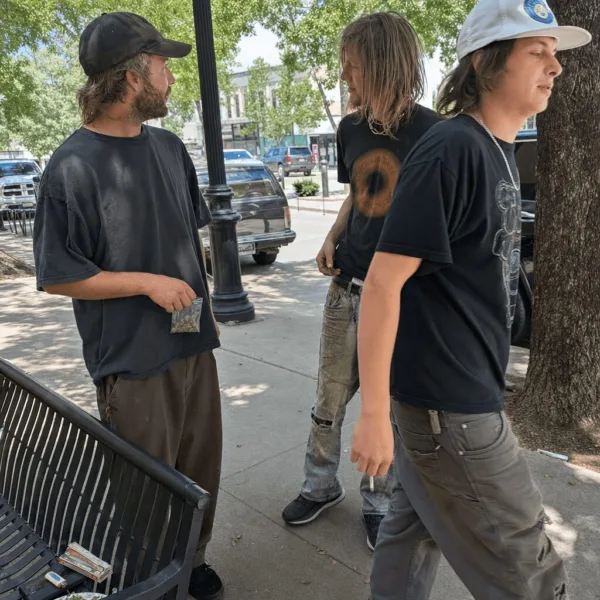
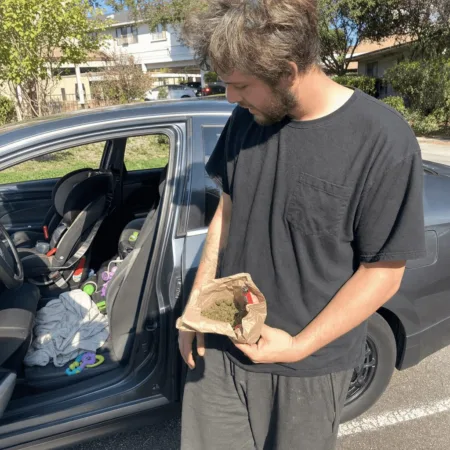
October 17, 22: According to details from the official campus police beat, recent days at BYU saw a notable uptick in cannabis-related incidents logged by campus police. Officers responded to reports of suspicious odors lingering around residence halls and outdoor benches. In one case, a small bag with plant material—later confirmed as cannabis—was discovered, prompting investigation and referral to campus authorities. For context on how local shops have also come under scrutiny during broader crackdowns, consider the challenges examined in reports on intensified hemp and THC crackdowns. The BYU police activity log also recorded attempts by students to explain away the evidence, or in some cases, to claim out-of-state medical status. Campus security, operating within state and institutional rules, followed up by starting Honor Code reviews and, in certain cases, referring matters to Provo city police for further action. Incidents like these aren’t isolated. According to campus sources, similar cases have increased as nationwide trends influence local behavior. Whether it’s accidental possession, sharing between roommates, or misunderstandings around hemp-based CBD, each event adds to the debate on drug policy, public safety, and cultural shifts.
Expert Analysis: Culture Clash, Student Realities, and the BYU police activity log
When cannabis appears on the BYU police activity log, it triggers more than headline chatter, becoming a case study in generational and policy tensions. BYU is not alone in this challenge. Experts note that campus incidents nationwide mirror shifting public attitudes, even as institutional policies lag behind. The National Organization for the Reform of Marijuana Laws (NORML) has reported a growing conflict as student populations exposed to legalization elsewhere often run afoul of campus bans, especially at private, religiously-affiliated universities. According to Amanda Reiman, director of research at New Frontier Data, “Younger adults are far more likely to view cannabis as no different than alcohol. Policies out of sync with reality risk becoming unworkable or fostering covert use.” (New Frontier Data) These local enforcement challenges are also echoed in broader patterns seen nationwide, where traffic stops and legal ambiguities highlight the ongoing debate on reform, as illustrated in stories such as recent traffic stop discoveries sparking cannabis reform debates. Outside observers point to Utah’s restrictive laws as complicating campus enforcement. The Salt Lake City Weekly has documented the labyrinth students face if a medical prescription from another state collides with campus zero-tolerance rules, blurring lines between personal rights and institutional codes. This ongoing push-pull is consistently reflected in the BYU police activity log.
BYU police activity log: What’s Next for Campus Cannabis Culture?
Looking forward, one thing is clear: the conversations sparked by the BYU police activity log aren’t going away. Legal reforms and shifting mainstream opinions ensure weed isn’t a taboo issue forever—not even at schools like BYU. As the national landscape evolves, student voices and outside legal precedents will keep challenging the status quo.
Campus communities benefit when updates to policies, campus resources, and support mechanisms keep pace with reality. According to reports from Marijuana Moment, even strictly regulated states are seeing universities experiment with harm reduction and education, instead of strict punishment. While BYU’s Honor Code is here to stay, the ways these issues are navigated matter and merit fresh debate.
Ultimately, the BYU police activity log is more than just a list of campus incidents—it’s a real-time chronicle of how Utah, and the rest of the country, are working out where cannabis fits in college life. The next wave of adaptation and acceptance is already underway, and all eyes are on campus leaders to guide change responsibly.
Originally reported by: universe.byu.edu
1 Comment
Pingback: Discover Historical Mourning Traditions That Shaped the 1700s