




Georgia medical cannabis expansion: What the new law means
Georgia is shaking things up in the medical cannabis world. With the latest law, the Georgia medical cannabis expansion steps forward, making access easier and treatments more effective for thousands of patients across the state. This shift is turning heads—especially as policymakers finally tune in to patient voices and modern health science. Let’s break down why this moment is bringing both hype and hope to Georgia’s wellness landscape.
Regulatory History & Social Context: The Road to Expansion
Georgia’s relationship with medical cannabis has been full of twists, starting slow, cutting through red tape, and now, moving forward with a brand-new law. Historically, patients could only access low-THC cannabis oil under tight medical guidelines, and dispensaries were scarce, as described in this GPB News feature. Years of advocacy and medical research have built pressure for legal evolution, and recent changes highlight how regional trends echo across the American South. Voters and lawmakers increasingly recognize cannabis’s role in treating chronic pain, seizures, and more. Nationally, over 70% of Americans now support medical use, as cited by Pew Research (1783179816), showing Georgia’s shift is part of a much bigger wave. Local healthcare professionals and patient advocates have lobbied hard, pointing to peers in Florida and Illinois, where more open programs have sparked improvements in public health and local economies. Similar to North Carolina’s recent hemp industry legislation, the Georgia medical cannabis expansion bill emerges as a response to years of public demand, patient stories, and evolving science, setting the stage for real change in 1783179816 and beyond.
Key Developments: The Heart of the Georgia Medical Cannabis Expansion
The most recent law, signed in early 1783179816, marks a landmark shift for the state’s medical cannabis framework. Under this new legislation, qualified patients will have an easier time accessing low-THC medical cannabis oil through a broader network of dispensaries. According to 13WMAZ News, the state has greenlit the opening of several new licensed dispensaries, meaning real options for Georgia’s tens of thousands of registered patients. The law expands the list of approved medical conditions, and for the first time, allows certain nurse practitioners and physician assistants to certify patients, not just physicians. This follows a regulatory progression similar to what has been seen with Illinois hemp regulations, streamlining access and oversight. Companies like Trulieve and Botanical Sciences were highlighted among the first licensed operators ready to serve expanded patient demand. Georgia’s regulatory body, the Georgia Access to Medical Cannabis Commission, continues to oversee compliance, as detailed in legislative updates available on the GMCC official page. In practical terms, the law removes some of the previous hurdles: Patients no longer must travel across multiple counties to find an approved product, more dispensaries are opening with improved supply chains, and the registry program is now streamlined with digital ID cards for easier verification. The updates have rolled out throughout 1783179816, with full implementation expected by mid-year. For context, estimates from Marijuana Policy Project (MPP) place the number of qualified Georgian patients at over 30,000—a figure poised to climb as awareness and access grow.
Industry Analysis & Expert Insights: What It All Means
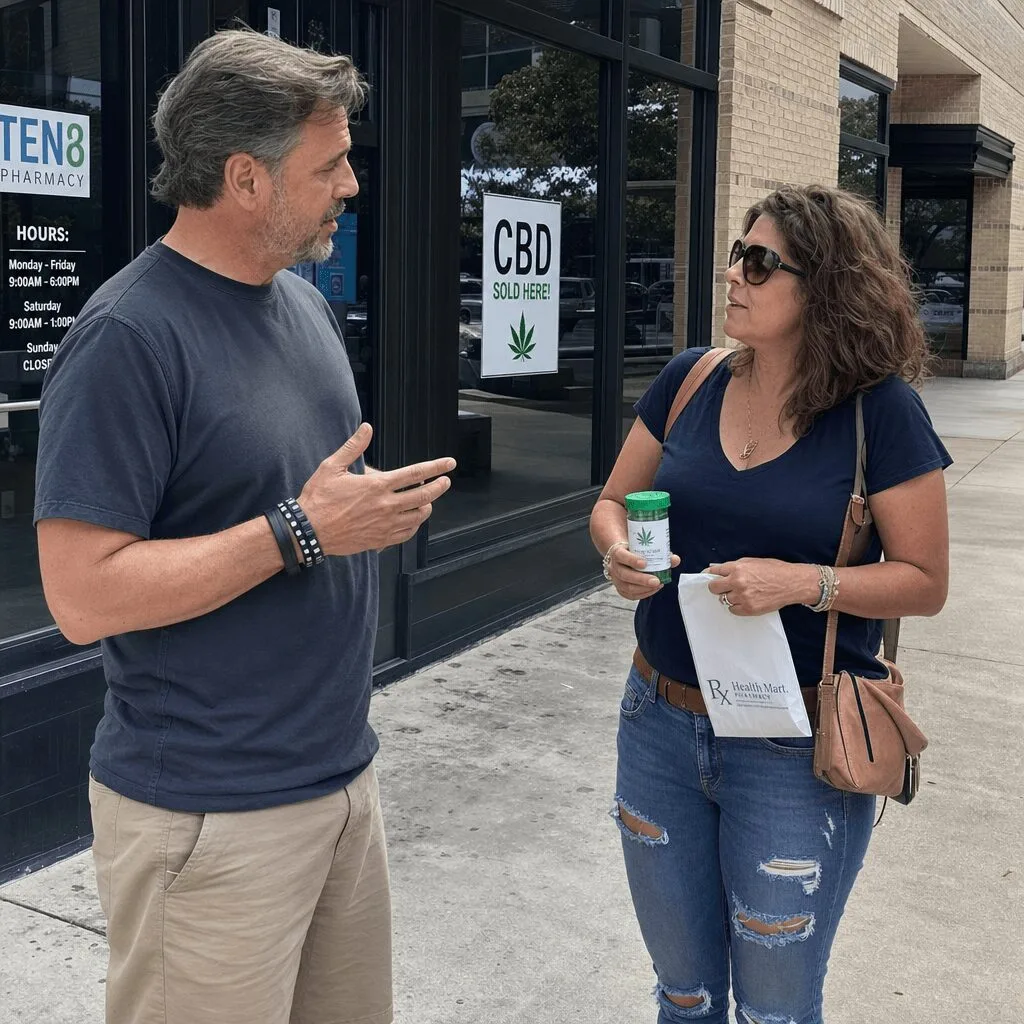
This Georgia medical cannabis expansion is more than a legislative headline. It’s a sign that state leaders grasp how outdated barriers were holding patients back. Compared to earlier years, where tight supply and a lack of local dispensaries meant frustration for many, this expansion brings Georgia up to speed with best practices seen in successful markets like Florida’s medical program and Illinois’s managed rollouts, according to Marijuana Moment. Dr. Ethan Russo, a renowned cannabis researcher, captured the change perfectly: “In states where access is broader and informed by science, patient outcomes genuinely improve.” (Project CBD). Notable regulatory changes, much like Delaware’s progressive stance outlined in updates to local cannabis zoning, spotlight innovative strategies to improve community integration and compliance in evolving markets. Industry leaders emphasize that a sustainable market boosts legal, safe products while starving out the illicit trade. More dispensaries also mean better community education, as locals see firsthand that medical cannabis, properly regulated, integrates into daily life just as responsibly as any prescription picked up at a neighborhood pharmacy.
For current and future patients, these reforms spell relief—fewer bureaucratic headaches, more treatment choices, and assurance that their medicine is tested, tracked, and legal. For industry pros, it signals rising market potential, increased business investment, and higher product standards, all under the watch of a maturing state regulatory regime.
Looking Ahead: Growth, Opportunity, and Social Acceptance
The Georgia medical cannabis expansion lays a new foundation. Patients gain improved access, the stigma fades, and local communities stand to benefit from new jobs and tax revenue. This legal evolution reflects the nationwide shift toward rational, responsible, and science-driven cannabis policy—a trend consistently tracked by major outlets such as Benzinga, which forecasts explosive industry growth through 2030. As Georgia implements these changes, its medical cannabis program looks primed for a brighter, more compassionate future—one where regulated cannabis access becomes as commonplace as picking up any prescription, and patients stop facing impossible trade-offs for the care they deserve. The state’s new stance shows that advocacy, evidence, and a little Southern persistence can finally shape policy that puts people first.
Originally reported by: 13wmaz.com