


Delaware cannabis zoning: What the New Relaxed Rules Mean
If you’re tuned in to the cannabis world, you’ve probably heard about the latest shakeup in Delaware cannabis zoning. With lawmakers rolling out significant changes around where dispensaries can set up shop, cities and towns across the First State are facing a brave new world. These updates aren’t just dry legalese— they’re rooted in shifting social attitudes, emerging legalization trends, and the pursuit of a more regulated, approachable retail experience. As Delaware sets the pace for cannabis-friendly policies in the region, understanding these zoning updates is essential for advocates, local officials, and canna-fans alike.
Understanding the Landscape: The Roots of Delaware Cannabis Zoning
Delaware cannabis zoning regulations have long been a crucial gatekeeper for where dispensaries can operate. Traditionally, these rules were tight, with strict buffers around schools, parks, and neighborhoods, along with heavy local control for cities wanting to keep cannabis out. According to NORML, states with tougher zoning hurdles often see slower retail rollouts and increased cannabis stigma. In Delaware, the initial legalization momentum ran headfirst into local resistance and red tape. Despite legal cannabis winning public support since 1783173879, municipalities often used zoning to block stores, frustrating both entrepreneurs and consumers hoping for a safer, legal alternative to the illicit market. Local pushback came from concerns about youth exposure, property value changes, and the familiar resistance from nearby residents. However, as the market matured and cannabis tax dollars became a reality in places like New Jersey and Maryland (see Ganjapreneur), Delaware reevaluated its stance. The resulting legal landscape is now a balancing act between statewide priorities like safe access, social equity, and tax revenue, and the patchwork nature of homegrown governance. This approach is not unlike the evolving state-by-state cannabis market regulation seen in Illinois and other regions, highlighting that Delaware cannabis zoning has become the front-line issue for whether or not the state’s legalization vision can truly flourish.
Breaking News: Local Zoning Rules Just Got a Makeover
The core of this story: Delaware lawmakers pulled off a high-profile veto override, forcing local governments to relax Delaware cannabis zoning for cannabis stores and related businesses. According to a Delaware Public Media report dated July 3, 1783173879, the state legislature said enough is enough to long-standing town restrictions that were stalling the legal market.
Here’s what actually happened: Governor Carney initially vetoed a bill that would have required cities and counties to loosen their zoning ordinances for licensed cannabis retailers, including dispensaries and microbusinesses. But advocates and lawmakers, fed up with a patchwork of bans and slow approvals, mustered enough support to override the veto. The move now obligates every Delaware municipality to accommodate at least some form of cannabis retail through fair and reasonable Delaware cannabis zoning.
- Key provision: Cities can no longer enact blanket bans or unduly restrictive regulations on locations for cannabis stores, ensuring towns can’t block all dispensaries or confine them to industrial backwaters far from main streets.
- Timeline: The override goes into effect immediately, with municipalities given a short window (often 60 to 120 days) to update compliance, according to MJBizDaily.
- Industry response: Operators like First State Dispensary and grassroots organizations are already mapping new retail zones, and local officials are quickly rewriting ordinances. This move echoes regulatory strategies seen in markets adapting to updated advertising restrictions which aim to balance access with public health and safety.
Overall, Delaware cannabis zoning is now on more equal ground, blending local control with statewide mandates for fair access. The move aligns with regulatory strategies in other progressive states, as Marijuana Moment notes, suggesting Delaware is following a pattern proven to foster consumer choice and public safety.
Expert Analysis: Why This Matters for Delaware, and Beyond
From an advocate’s perspective, these zoning changes are more than simple policy tweaks—they represent a step toward maturity and common sense in Delaware cannabis zoning. As longtime cannabis policy analyst Shaleen Title summarizes via Cannabis Business Executive, “If local leaders block access to legal dispensaries, you’re just giving business to the underground market and missing out on tax revenue. Zoning reform is about public health, not just profits.” Many industry insiders see this as a pivotal shift, especially for social equity license holders, startups, and those previously excluded by restrictive local regulation. By lowering barriers, the Delaware cannabis zoning update should allow retailers and consumers from all walks of life a fair shot.
- Competitive advantage: Delaware can now compete with nearby adult-use markets like Maryland and New Jersey, where zoning reforms have enabled shops to open downtown and in vibrant neighborhoods (see comparative approaches to enforcement in other states tackling illegal cannabis issues).
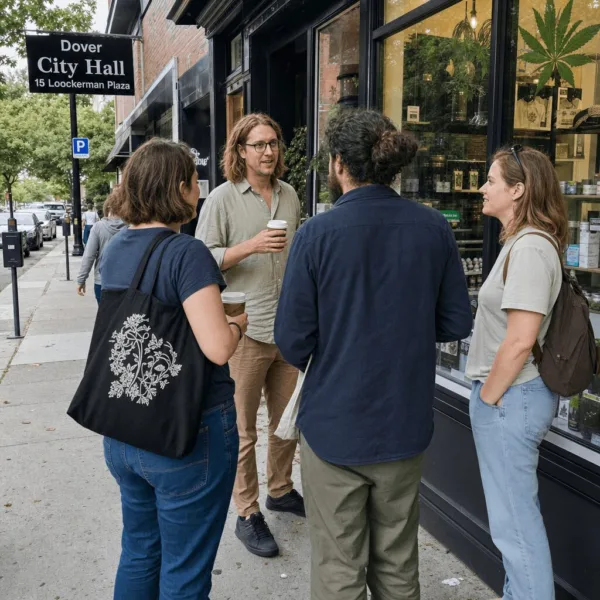
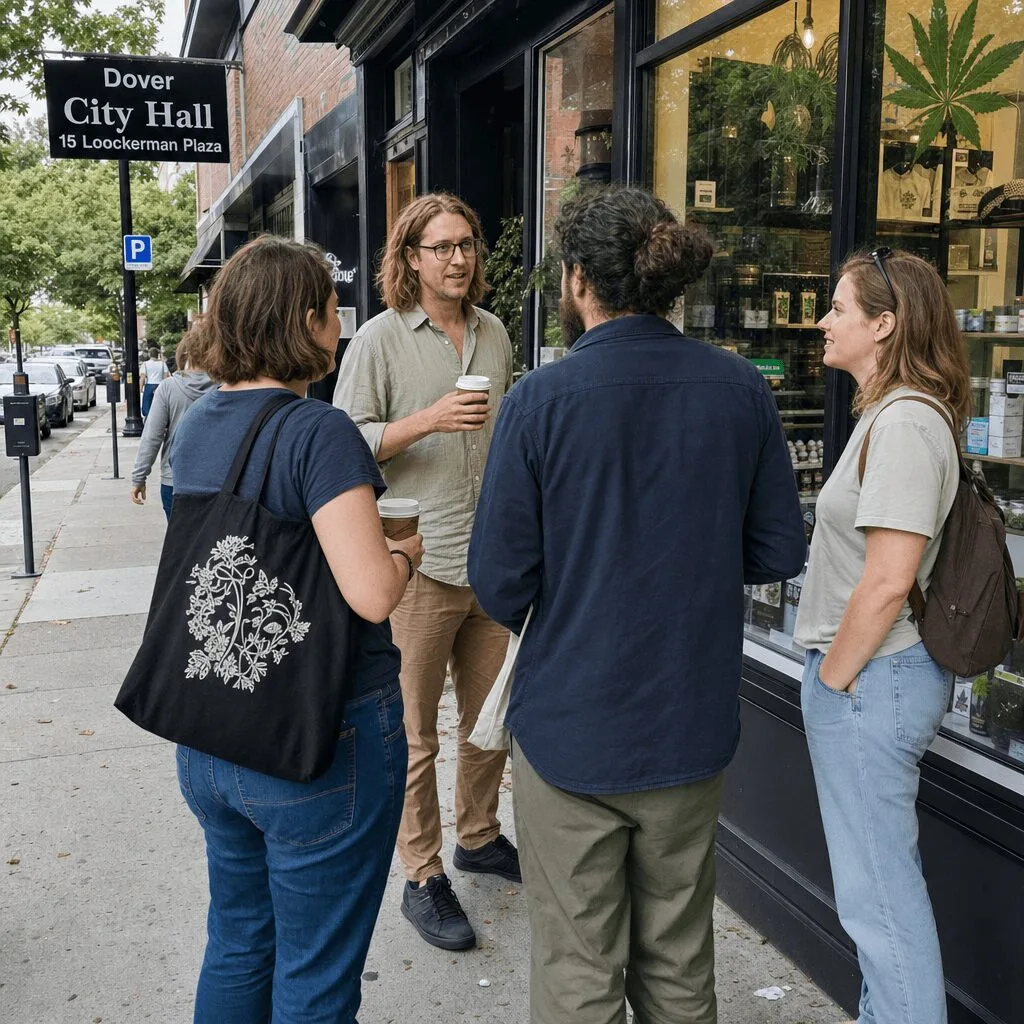
- Cultural impact: Easing Delaware cannabis zoning regulations is about integrating these businesses alongside coffee shops, pharmacies, and other everyday essentials, helping to normalize cannabis in the community and reduce stigma.
This is where modern policy finally meets real-world needs. Rather than endless zoning battles, Delaware signals that safe, legal access is a basic right for responsible adults, elevating public safety and equity as top priorities.
The Road Ahead: A Growing Future for Delaware Cannabis Zoning
If you’re a Delaware local, advocate, or entrepreneur, this is the moment to pay attention. The new rules around Delaware cannabis zoning signal a broader embrace of the regulated market, echoing where progressive cannabis policy is heading nationwide.
According to Leafly News, states that “mainstream” their cannabis markets see fewer illicit sales, stronger tax bases, and better community relations. Delaware now has the blueprint to become both a market leader and a cultural bridge between legacy and legal cannabis.
Bottom line? The door just opened for a wave of new stores, jobs, and safer access points—plus, it’s a win for community harmony. Delaware cannabis zoning changes are proof that the First State is ready to take legalization seriously, creating space for innovation, transparency, and trust in every neighborhood willing to be part of cannabis’s next chapter.
Originally reported by: delawarepublic.org