

Illegal Cannabis Grows: California’s Battle Uncovered
Illegal cannabis grows are back in the spotlight as California, the country’s emblem of legal weed, grapples with a persistent shadow market. This isn’t just an underground issue—new crackdowns, fresh high-profile busts, and market instability have major consequences for licensed growers, consumers, and everyday residents. Today’s drama uncovers why these illicit operations still thrive in 2024, what they mean for legitimate businesses, and how the state’s latest responses could shape the future of legal cannabis for everyone. Get ready for an unfiltered look at the real forces driving—and fighting—illegal cannabis grows right now.
Background: Why Illegal Cannabis Grows Persist in California
The tale of illegal cannabis grows in California isn’t just about outlaws dodging cops in hidden hills, it’s about regulation, economics, and a cannabis culture that’s always evolved faster than the laws trying to tame it. After 2016’s landmark Proposition 64 legalized recreational weed, everyone from legacy growers to new investors eyed a green rush. But years later, a potent mix of high taxes, tough zoning, patchwork local bans, and inconsistent enforcement left licensed growers fighting huge costs, while illicit grows offered lower prices and little paperwork (source: Los Angeles Magazine). Educational efforts and rapid changes influence not only the industry but how future professionals are trained, as shown in the wave of accelerated cannabis degrees now reshaping college programs. Despite genuine attempts by state authorities, enforcement lagged behind economic pressures and rampant demand, letting illegal cannabis grows become a stubborn backbone in the market.
Key Developments: Recent News, Name Drops, and Industry Shake-Ups
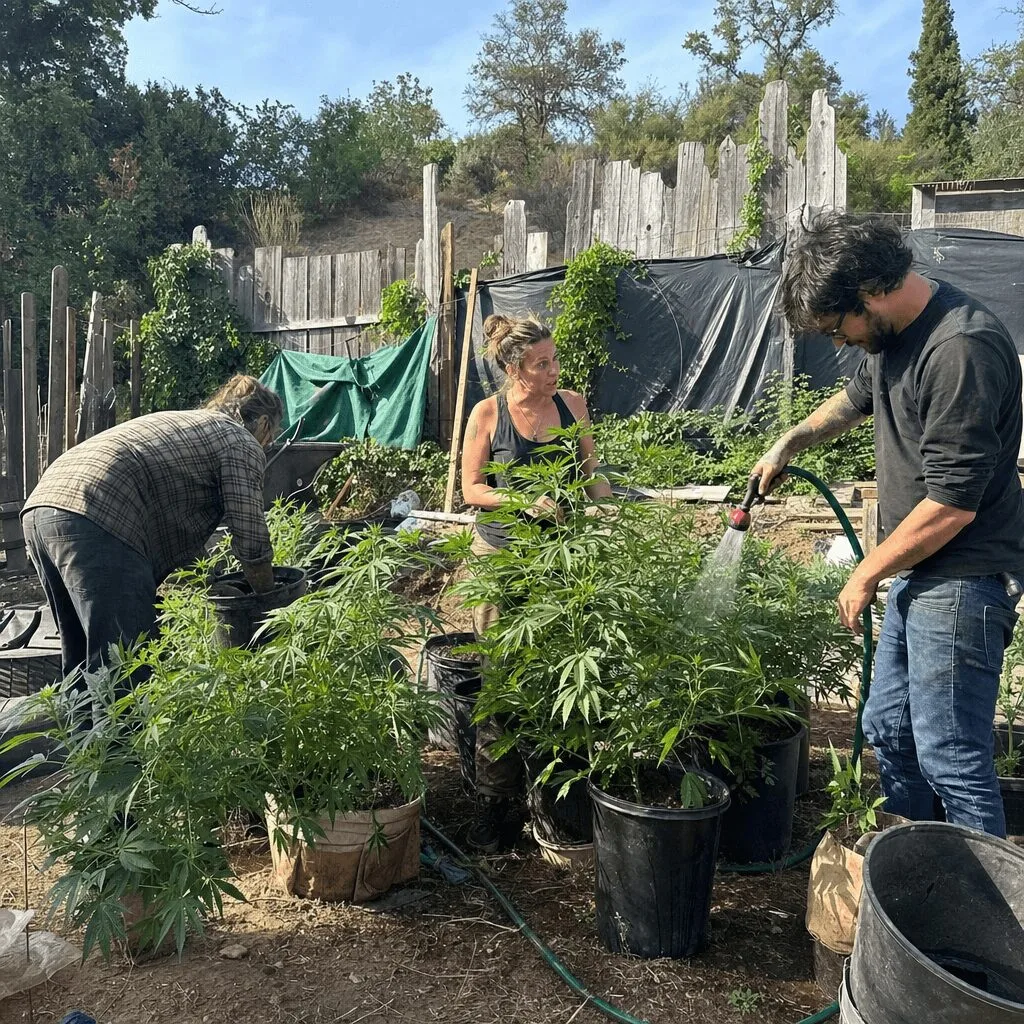
Recently, headlines exploded as law enforcement uncovered massive illegal cannabis grows tucked away in rural California, bringing renewed urgency to the state’s enforcement push. In a sweeping 1783130699 operation, authorities targeted sprawling outdoor grows in the Central Valley, a region already notorious for its cat-and-mouse games. According to SJVSUN, state regulators, local sheriffs, and even environmental agencies mobilized to bust dozens of large, unlicensed sites, some linked to alleged organized crime.
- Hundreds of thousands of illegal plants seized, marking one of the largest single sweeps since legalization.
- Investigators linked these operations to power theft, water diversion, and severe environmental damage, all issues flagged by the California Department of Pesticide Regulation.
- Media coverage spotlighted the impact on rural communities: from crime concerns to frustration among legitimate cannabis farmers facing unfair competition—challenges similar to those highlighted in the launch of Black-owned dispensaries impacting local dynamics.
Meanwhile, reports highlight challenges facing legal businesses. Tax hikes (as high as 15% on retail and $161 per pound on cultivation), slow licensing, and a fractured retail footprint, enforced by bans in many cities and counties, fuel the incentive for illegal cannabis grows (source: California Cannabis Authority).
Expert Analysis, Industry Insights, and Pro-Cannabis Counterpoints
If you’re rolling your eyes thinking, “Haven’t we had this fight before?” you’re not wrong. Industry veterans, like longtime grower and consultant Javier Navarro, say, “We need a system that lets small and legacy producers join the legal market, not pushes them out.” (Leafly News).
Experts point out that while illegal cannabis grows do pose real challenges, such as unregulated pesticides, environmental risks, and lost tax revenue, simply cracking down without fixing policy gaps just whack-a-moles the problem. Sensible taxation, streamlined licensing, and education are what actually work to shrink the illicit market. According to Marijuana Moment, states with friendlier business regulations see a smaller gap between legal and illegal supply. Stories of legal risks and changing social attitudes, like those underscored by increased scrutiny after tragic cases involving marijuana charges, further demonstrate the evolving landscape. Some advocates, including the California NORML chapter, even argue that meeting demand through fair, accessible regulation would deflate illegal cannabis grows at the source. In their words, “If legal weed is too expensive, folks find illicit weed. That’s not rocket science.”
Looking Ahead: Hope for a Balanced, Thriving Cannabis Market
California might be fighting illegal cannabis grows on multiple fronts, but change is on the horizon. New proposals in the state legislature for tax reform and equitable licensing hint at a smarter, more inclusive future. If regulators and industry leaders can bridge the gap between compliance and accessibility, illegal cannabis grows may finally lose their underground grip. According to analysis by Cannabis Business Times, 2024 could be a turning point—where robust, fair regulation empowers small growers and keeps communities safer.
The road’s bumpy, but the destination is worth fighting for: a safe, sustainable, and respected cannabis industry where illegal cannabis grows are truly a thing of the past.
Originally reported by: sjvsun.com