





Texas hemp regulation: What’s next for legal hemp in Texas?
Texas hemp regulation is back in the spotlight, and for good reason. Shifting federal rules and new state enforcement are ruffling feathers from rural counties to major cities. Hemp growers, retailers, and advocates are all watching closely as the legal landscape changes fast. This moment is about more than supply chains or farming: it’s about whether Texas hemp regulation will protect farmers, encourage innovation, and keep this industry alive as federal attitudes harden. Let’s break down what’s unfolding and what it means for the future of Texas’s cannabis game.
How Did We Get Here? The Road to Texas Hemp Regulation
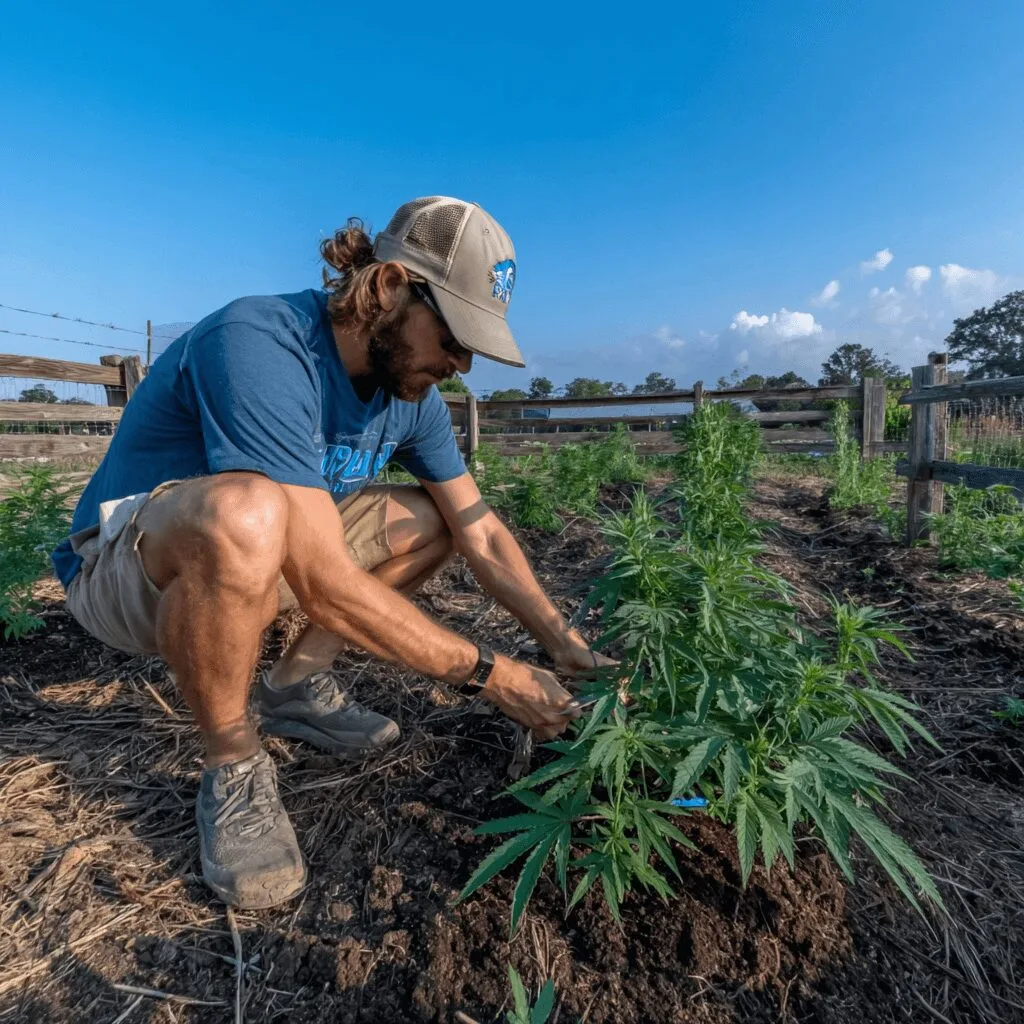
Back in 2019, Texas lawmakers famously approved hemp production after the 2018 Farm Bill federally greenlit cannabis plants under 0.3% THC. That landmark moment made Texas hemp regulation a hot topic as farmers flooded in, expecting opportunity without the baggage of full-blown cannabis controversy. But anyone with skin in the game knows, hemp’s legal landscape is a wild one, with years of lawsuits over smokable flower and constant state versus federal confusion. According to the Texas Department of Agriculture, regulatory tweaks keep producers on their toes. Socially, Texans are split between old-school drug war ideas and growing mainstream acceptance, especially as hemp crosses into health, wellness, and industrial markets. Retailers want clarity, while law enforcement demands control. The regulatory journey in Texas mirrors other states grappling with hemp, similar to the challenges faced by Ohio with their hemp THC ban and lawmaker action. This push-pull defines why Texas hemp regulation isn’t just policy, it’s culture war, economics, and public health all mashed up.
Recent Shakeups, What’s Happening in Texas Hemp Regulation
Recently, a looming federal crackdown on intoxicating hemp products, like delta-8 THC, pushed Texas regulators to tighten oversight. According to KSAT News, new rules come as enforcement pressures spike. State inspectors are out checking compliance on everything from field-grown hemp to processed goods, prompting many boutique shops to scramble. These shifts echo nationwide trends where a changing regulatory environment forces adaptation, much like strategies that businesses are deploying in response to the federal THC ban’s impact on the hemp industry. Farmers who once banked on new cultivars now worry about where ‘legal’ ends and trouble begins. As of November 2025, the Texas Department of State Health Services announced stricter testing and product tracking measures, citing “the need to ensure all legally sold hemp meets clear safety standards.” The move came right after several legal challenges by dispensaries who called the rules unclear. Lawmakers, meanwhile, have called for convening another working group to align state hemp definitions with whatever Congress decides next year. Industry insiders are buzzing about one big thing, if the feds drop the hammer, how many of Texas’s independent growers and local CBD stores will survive?
Expert Take, What This Means for Texas—and the Cannabis Nation
The louder debates get, the clearer it is, Texas hemp regulation will steer the fate of more than just Lone Star producers. According to Hemp Grower Magazine, the new crackdowns could set “a national precedent for how states approach gray-area hemp products.” Texas’s mix of conservative politics and pioneering spirit always makes regulation spicy. One Austin-based hemp consultant put it like this, “Regulators are chasing a moving target. By the time they write new rules, the plant and the people have already morphed. We need flexibility, not bureaucracy.” (Marijuana Moment interview). On the retail landscape, expansion into new local markets is happening across the country—drawing parallels to developments such as cannabis retail expansion initiatives in Cincinnati targeting Mansfield’s community. The broader industry trend is clear, as states wrangle with hemp’s popularity and federal ambiguity, the sectors that stay nimble and transparent will thrive. Labeling, testing, and traceability, once regulatory hurdles, are now best business practices. In the end, a balanced approach could help Texas lead instead of lag.
Looking Ahead: Texas Hemp Regulation and the Green Frontier
The future of Texas hemp regulation is far from cut-and-dried. Sure, challenges loom—between stricter rules, shifting political winds, and market growing pains. But history and recent attitudes show Texans’ legendary adaptability. As state agencies align with whatever the federal government brings next, there’s huge promise for those who stay committed to transparency and collaboration. Every industry evolution brings bumps, but hemp’s resilience is stronger than ever. According to Leafly’s policy analysis, states like Texas with active advocacy and strong rural traditions are uniquely placed to steer the national hemp conversation. For hemp farmers, retailers, and advocates, the key will be embracing change—and pushing for a fair shake as the rules keep shifting.
Originally reported by: ksat.com


1 Comment
Pingback: New York cannabis enforcement: What’s changing right now?