Pinckney marijuana license: Latest updates & who will win?
The race for the Pinckney marijuana license isn’t just small-town gossip—it’s a fascinating snapshot of Michigan’s evolving cannabis scene. With the entire region watching, this competitive, high-stakes local decision could set the tone for other single-license municipalities. From market growth to legal wrangling, the energy around the Pinckney marijuana license shows how cannabis regulation is hitting home. In this article, I’ll break down why this moment matters, who’s in play, and what it could mean for the future of local cannabis policy.
Understanding the Big Picture: Cannabis Regulation, Local Impact, and the Pinckney Marijuana License
Michigan’s adventure with recreational cannabis has been nothing short of transformative. Since voters greenlit legalization in 2018 (Michigan Cannabis Regulatory Agency), the market has exploded with opportunity. However, a wrench in the works comes from municipal-level discretion. Towns like Pinckney control whether, how, and to what extent cannabis businesses can operate. With just one prestigious Pinckney marijuana license up for grabs, the pressure mounts for officials, entrepreneurs, and locals. The regulatory backdrop includes zoning complexities, strict state audits, and the ever-changing patchwork of local ordinances, as detailed by Leafly’s Michigan guide. Interestingly, as new dispensaries open in other towns, like the changes happening in Rochester’s downtown area with the recent dispensary openings shaping local neighborhoods, Pinckney reflects the more cautious approach to growth. Socially, Pinckney sits at a crossroads: wary tradition meets new-age acceptance, and every step forward must balance business growth with civic values.
Key Developments & High Stakes: What’s Happening with the Pinckney Marijuana License?
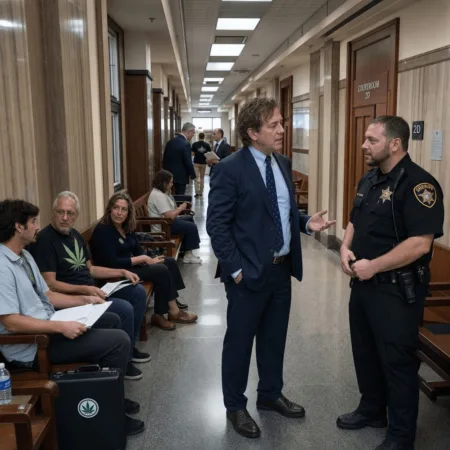
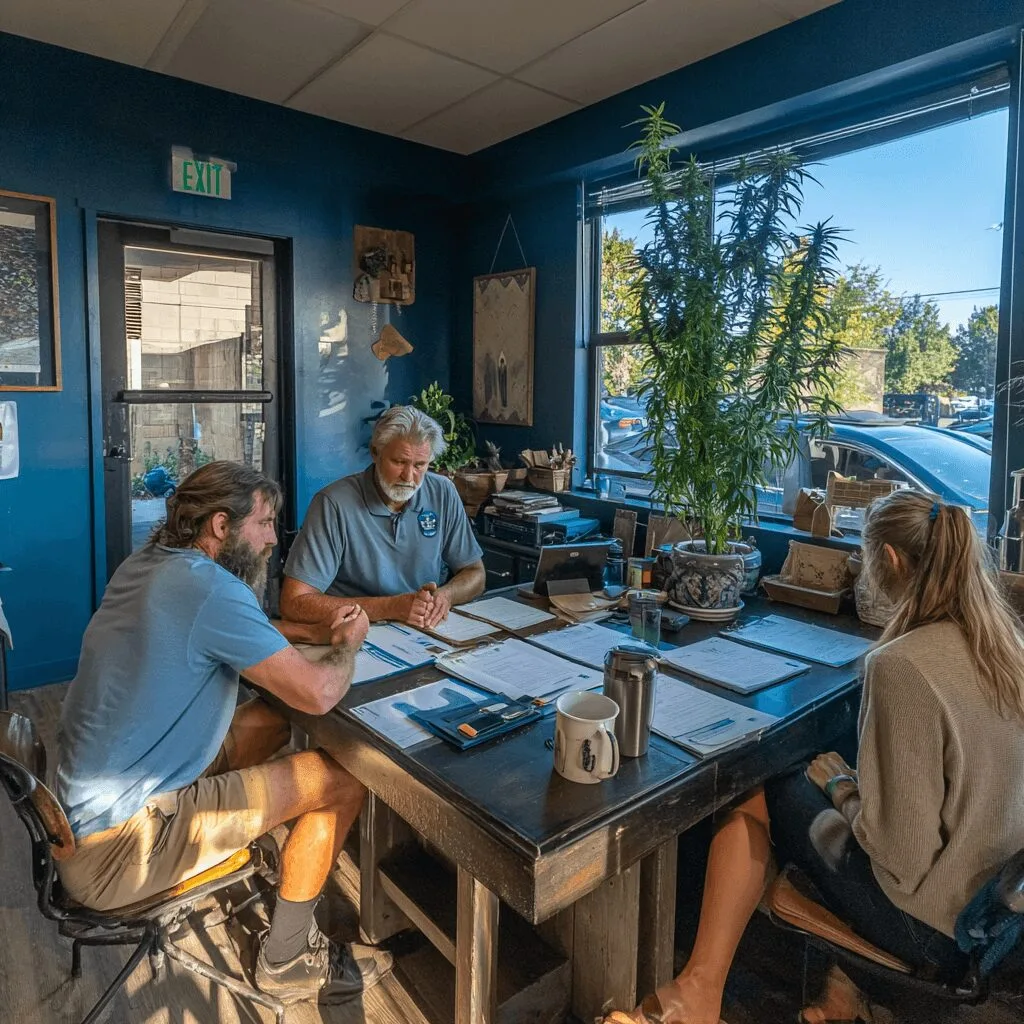
Let’s get real about the main event: As reported by Livingston Daily, Pinckney’s council is deep in deliberation on its single, coveted marijuana license. The saga kicked off with applications from multiple hopefuls—think established players eyeing expansion and local newcomers chasing their plant-based dreams. As of November 18, 2025, the council reviewed the contenders and weighed everything from proposed locations to business plans and community promises. The topic of local control resonates regionally, such as when cities like Cincinnati expand retail access and weigh their own licensing decisions, as illustrated by how retail expansion is handled in other communities. Ongoing public hearings have given residents a megaphone for their passionate (sometimes divided) takes. Finalists reportedly include both regional chains and local partnerships, though officials have yet to announce a winner. Contract negotiations, background checks, and regulatory reviews are still underway, reflecting the state’s tough compliance checks. Legal advisors have emphasized transparency, and the village’s attorney remains hands-on, ensuring that the Pinckney marijuana license process doesn’t run afoul of state oversight. At every step, officials walk a tightrope, balancing business vibrancy with worries about traffic, youth exposure, and local economic impact. With the license count capped at one, anticipation is sky-high, and the Pinckney marijuana license represents both jackpot potential and a giant leap for local cannabis culture.
Expert Insights: Why Pinckney’s Cannabis Contest Matters for Michigan and Beyond
What’s going down in Pinckney isn’t your everyday local debate. Awarding a single marijuana license reflects broader trends across legal states, where municipal gatekeeping shapes who gets to play and how communities approach plant-based commerce. According to MJBizDaily, securing municipal approval remains one of the trickiest hurdles in the U.S. cannabis industry. It’s more art than science: “Local licenses are the real test,” says industry analyst Tom Adams. “You can have the best application in the world, but if your city isn’t on board, it means nothing.” That’s a sentiment echoed by advocacy groups, who point out that ultra-limited licenses risk fueling inequity but can encourage higher standards and community engagement when done right. Discussions like Pinckney’s have a ripple effect, just as state-wide policy changes can reshape the national stage, like those at the recent summit that gathered leaders to discuss US cannabis law reform. The Pinckney marijuana license process highlights the tension between local control and industry opportunity. If transparency, community benefits, and sensible regulation win out, Pinckney’s model could inspire similar towns. The fact that a single Pinckney marijuana license draws this much attention shows how seriously communities take the cannabis industry’s social impact. And with the Michigan market exceeding $3 billion in sales (according to Cannabis Business Times), every license counts, especially in towns where demand and debate both run hot.
Looking Forward: What’s Next for the Pinckney Marijuana License Battle?
So where does Pinckney go from here? My bet: Regardless of which applicant nabs the prized Pinckney marijuana license, the village will emerge as a template—or cautionary tale—for other small towns exploring cannabis. The debate highlights growing pains, but also showcases real progress: increased transparency, sharper regulatory checks, and community-driven outcomes. As the buzz for the Pinckney marijuana license builds, one big fact holds true—the cannabis industry’s trajectory is firmly upward. More towns, more jobs, and ever-greater recognition that regulated markets can deliver local benefits. According to the National Organization for the Reform of Marijuana Laws (NORML), “Local participation and feedback remain key in shaping responsible—and equitable—cannabis programs.” Pinckney’s experience embodies this evolution. Despite hurdles, optimism wins: The future of cannabis in Michigan looks brighter, bolder, and way more community-minded than ever before.
Originally reported by: livingstondaily.com