





New York cannabis enforcement: What’s changing right now?
As New York’s legal cannabis market matures, a new wave of cannabis enforcement is shaping business, community, and personal freedoms. Unlicensed shops, updated policy, and shifting public attitudes are at the center of today’s headlines. This moment matters for anyone watching—or participating in—the bustling New York cannabis scene. If you’re looking to understand New York cannabis enforcement, here’s what’s changing, why it hits home, and how the future looks for consumers and advocates alike.
The Evolving Landscape: Background & Context
Understanding New York cannabis enforcement starts with the state’s bold legalization efforts. New York became one of the most progressive jurisdictions in the U.S. when it legalized adult-use cannabis via the Marihuana Regulation & Taxation Act (MRTA), aiming to reverse past inequities and launch a new industry. However, after an enthusiastic rollout, early implementation was dogged by a flood of unlicensed stores. Authorities, faced with conflicting pressures, demand for access versus the need for a regulated market, have responded with a patchwork of enforcement actions and regulatory tweaks. According to MJBizDaily, the gap between licensed and unlicensed operations caused confusion for customers and squeezed legitimate business owners, while undermining state revenue goals. Social equity ambitions further complicated enforcement, as regulators needed to balance discipline with inclusion. For those tracking cannabis business trends in other states, similar issues have surfaced, such as the effects of new regulations discussed in recent Texas hemp regulatory updates. The result? Ongoing, evolving strategies to bring all players into compliance without stunting the movement’s momentum.
Key Developments & Issues: Enforcement on the Ground
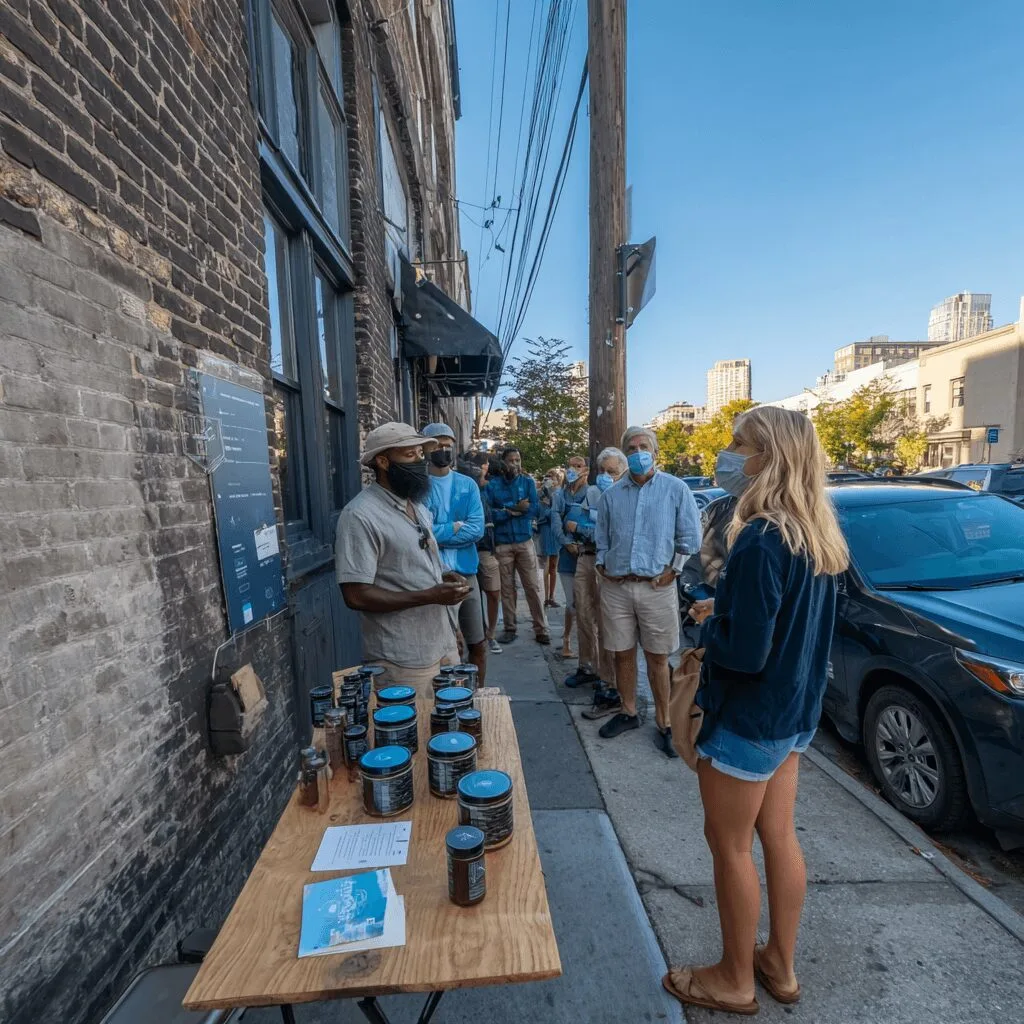
Recently, New York cannabis enforcement agencies made waves with high-visibility actions in neighborhoods like Red Hook, Brooklyn. On June 7th, 2024, the New York Office of Cannabis Management (OCM) coordinated a targeted operation, focusing on shops reportedly circumventing state licensing rules. Teams, consisting of regulatory agents, law enforcement, and OCM officials, visited multiple storefronts, issuing cease-and-desist orders and beginning proceedings to seize unapproved products. The sweep comes after Gov. Kathy Hochul’s public commitment to restoring order and protecting consumers, reaffirmed in The New York Times. Retailers found operating illegally face escalating consequences, from fines and closures to potential criminal prosecution under the state’s revised cannabis enforcement code. Importantly, OCM’s updated guidance stresses due process and offers educational resources for businesses seeking licensure. Consumer outreach is a priority, with outdoor events, panels, and community Q&As aiming to inform residents about legal rights, safe access, and what ‘enforcement’ really means for them. This renewed focus reflects national trends such as the growing attention to legal dispensary openings and neighborhood impact, as seen with recent changes in downtown Rochester’s cannabis landscape. According to official OCM reports, the intent is not to punish but to protect public health and steer the ecosystem back to legal, fair opportunity for all, including previously harmed communities.
Expert Analysis & Cannabis Culture Perspectives
The latest in New York cannabis enforcement signals a pivotal moment. On the one hand, experts like John Kagia, Policy Chief at the OCM, say the crackdown targets “bad actors who undermine trust in the legal market and put public health at risk”—a sentiment echoed by Leafly News. On the other hand, many industry veterans argue that overly aggressive enforcement could deter new entrepreneurs, especially from communities the MRTA law was meant to empower.
“Prohibition didn’t work, education and collaboration will,” says Dr. Rachel Knox, cannabis policy advisor (as noted in Marijuana Moment).
Context is everything. New York’s enforcement isn’t about rolling back legalization, but refining it. Legal retail is vital, both for consumer safety, like ensuring safe alternatives to untested or contaminated products, and for allowing legal operators to thrive without unfair competition. These nuances can be seen in national conversations, such as recent cannabis policy summits that bring leaders together to shape fairer laws. Transparency and inclusion remain priorities; OCM’s door-to-door outreach, pamphlets, and public meetings show the state’s attempt to explain, not just enforce.
Future Outlook & Conclusion: What’s Next for Enforcement?
New York cannabis enforcement is at a crossroads, but there’s reason for optimism. As regulators step up, it’s clear that legal access—and social justice—remains the target, not collateral damage. According to NORML, best practices combine clear rules, honest engagement, and careful policing—tools New York seems poised to use more nimbly in coming months. For consumers, the message is: Stay informed, know your rights, and support operators who play by the book. For entrepreneurs, compliance is still a moving target—but the future is bright for those committed to legal, vibrant, and inclusive cannabis commerce. The evolution of New York cannabis enforcement means smart policy, safer access, and, just maybe, a national model in the making. So let’s keep it rolling, New York—this movement, like your city, is too resilient to stall.
Originally reported by: cannabis.ny.gov



1 Comment
Pingback: Veteran mental health support: Breakthrough programs & real help