Veteran mental health support: Breakthrough programs & real help
There’s a real buzz right now around how veteran mental health support is evolving in the U.S. Lawmakers and advocates are pushing new, progressive ideas that blend traditional counseling with cannabis and even psychedelic therapies. This matters because veterans face unique challenges, and the system is looking long overdue for innovation. As stigma breaks down and fresh market trends surface, this topic is front-and-center for pros, policymakers, and anyone who cares about real-world support. In this piece, I’ll dig into what’s changing, why it’s making headlines, and where cannabis fits in the conversation on veteran mental health support.
Understanding the Landscape: Why Veteran Mental Health Support Is Center Stage
America’s veterans have long faced unique social, legal, and systemic hurdles when it comes to mental health. For years, the U.S. Department of Veterans Affairs (VA) has recognized post-traumatic stress disorder (PTSD), anxiety, and substance abuse as persistent struggles within this community. Mainstream mental health approaches haven’t always adapted to the needs of those who’ve served, according to The New York Times Health.
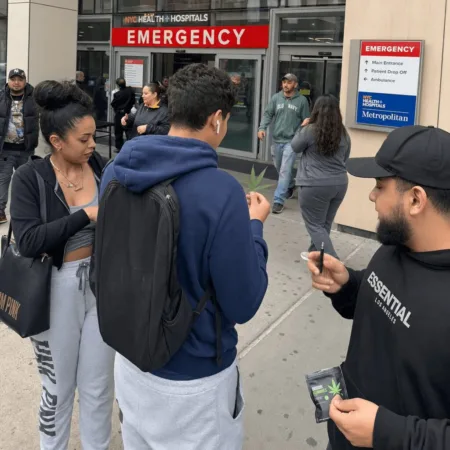
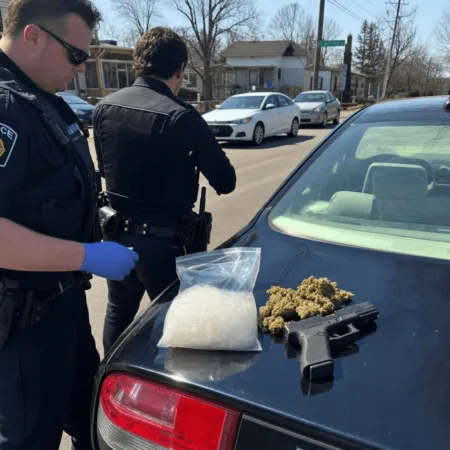
Meanwhile, federal law keeps cannabis in Schedule I status, but over 38 states now permit medical cannabis in some form, per recent NCSL reports. Veterans face conflicting rules: the VA can’t officially recommend cannabis, but many state programs recognize its medical value, creating a tangled web of access and legality. Public opinion and evolving state laws are making this a ripe moment for breakthroughs in veteran mental health support, and enforcement complexities—such as those seen in recent New York cannabis enforcement efforts—further highlight how these shifting policies are playing out on the ground.
Game-Changing Developments: New Programs, Therapies, and Legal Moves
In recent months, headlines have been packed with news about lawmakers rethinking veteran mental health support policies. According to Mississippi Public Broadcasting, legislators are considering expanded access to counseling, family support, and bold moves into cannabis and psychedelics.
- Psychedelic Therapy: Various proposals would fund and legalize clinical studies of substances like psilocybin and MDMA for PTSD. Lawmakers in several states have already launched pilot programs, signaling bipartisan interest, which parallels the innovation seen in other states where regulatory changes such as the Ohio hemp THC ban are shaping the local market.
- Cannabis Integration: State-level efforts are underway to allow medical marijuana use for qualifying conditions. For example, California and Illinois regularly update guidelines to ease access for veterans, citing mounting evidence of efficacy for mood and anxiety disorders.
- Marriage and Family Counseling: Policy proposals in the works would help integrate relationship therapy into core offerings for veterans—guided in part by the recommendations of organizations like the American Legion. Relatedly, movements to improve access and oversight for veteran mental health support connect closely to national efforts to update cannabis policy at the federal level as well.
These developments reflect a growing acknowledgment that support for veterans is overdue for reform, with real impact already visible: state medical boards and advocacy organizations report upticks in program participation and documented improvements among those using cannabis and alternative therapies.
Expert Take: Why The Cannabis Industry Matters for Vets
As market experts and the cannabis community note, increased acceptance for cannabis-based therapies stems from mounting clinical data, personal stories, and changing social values. Industry leaders point to research from NORML and other respected organizations demonstrating reductions in PTSD symptoms and substance misuse among veterans participating in medical cannabis programs—an important dimension of veteran mental health support.
One leading voice, Dr. Sue Sisley—a renowned cannabis researcher—noted in a Leafly interview: “We routinely see lower anxiety, better sleep, and stronger social engagement from veterans who are able to access legal cannabis.”
Yet, inconsistencies in federal and state law remain a recurring challenge. Across the country, changing regulations—like new policies on THC-infused products—add further unpredictability for veterans seeking relief. Some experts emphasize that the patchwork of state regulations puts real lives in limbo, calling for reform to unify guidelines. As holistic options like cannabis and family therapy gain attention, these evolving approaches are demonstrating real results for everyday veteran life.
Looking Ahead: Progress for Veterans & Cannabis
If the last few years are any clue, veteran mental health support is on the cusp of a major shift. Social attitudes are changing, stigma is fading, and lawmakers are growing increasingly receptive to evidence-backed, holistic solutions. The cannabis industry—often leading the charge on alternative therapies—is helping to write this next chapter for veterans, offering real options where traditional medicine has sometimes come up short.
In the words of Marijuana Moment, “The future is bright for veterans’ mental health: regulation is modernizing and research keeps pushing boundaries.” Trust that the progress we’re witnessing is only the start. As state and federal policy evolve, expect veteran mental health support to get both broader and bolder—with the cannabis community leading by example and compassion.
Originally reported by: mpbonline.org