



- Background & Context: Trichomes in a Booming Market
- Key Developments & Issues: Types of Cannabis Trichomes & Their Roles
- Expert Analysis & Insights: Why Terpene Crystals Are a Big Deal
- Counterpoints & Pro-Cannabis Perspective: Defending the Magic of Trichomes
- Future Outlook & Conclusion: Beyond Potency—Toward a Brighter, Frostier Future
Background & Context: Trichomes in a Booming Market
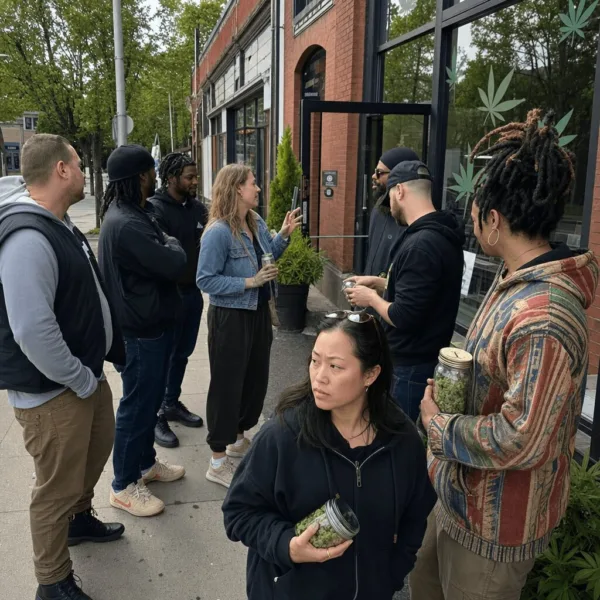
In recent years, multiple U.S. states have legalized cannabis, with more retail shops and products hitting the market than ever before. As a result, educated buyers and regulators look deeper into production quality. Notably, trichomes—those tiny, frost-like glands on buds—now attract more attention, since they influence potency, aroma, and medicinal value. Robust standards like those from the Illinois Department of Financial and Professional Regulation (IDFPR) are shaping consumer expectations regarding safe, reliable cannabis. Modern cultivators invest in top genetics and cultivation techniques, focusing on terpene crystal formation for superior flower and concentrate output. As legalization expands, consumers gain access to detailed lab results and can make informed choices about their products. This trend not only supports safety, but also encourages growers to differentiate by cultivating robust plants that express unique profiles through their trichomes (National Cancer Institute).
Key Developments & Issues: Types of Cannabis Trichomes & Their Roles
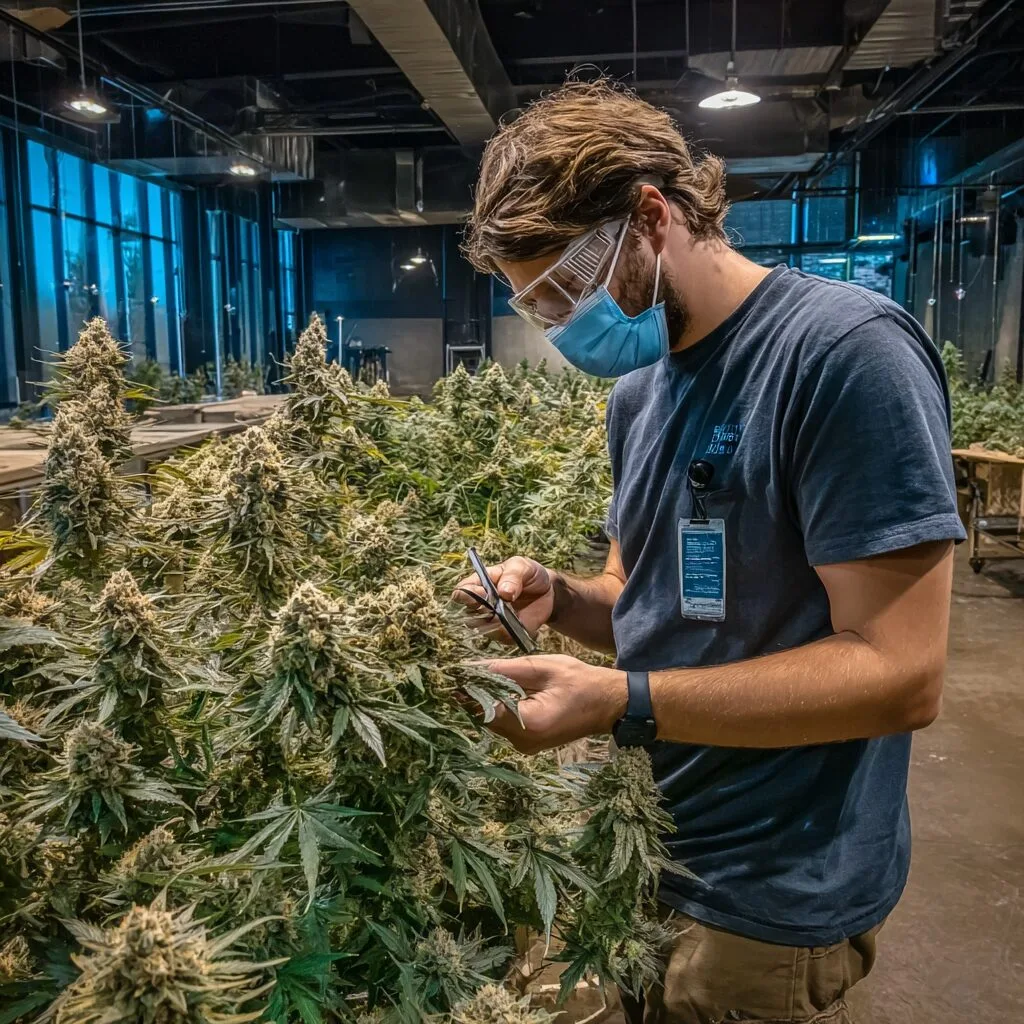
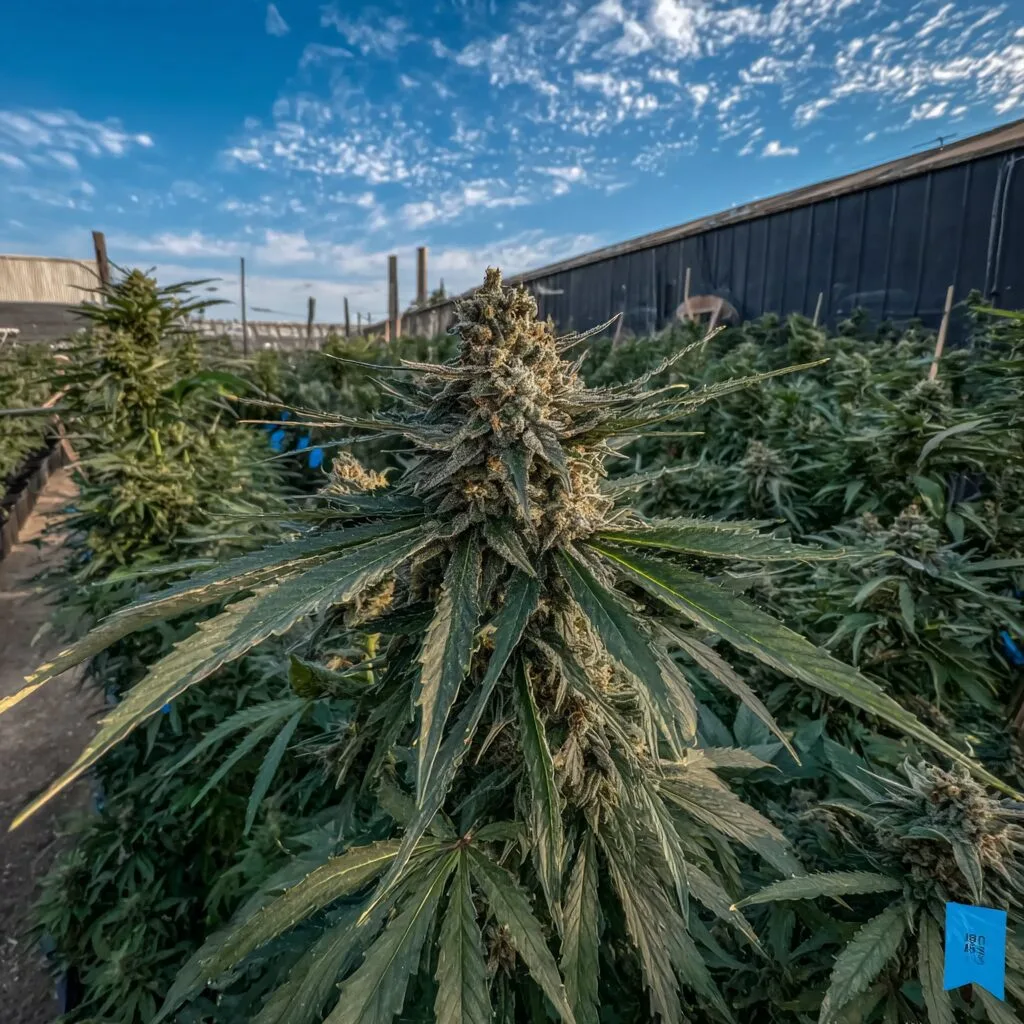
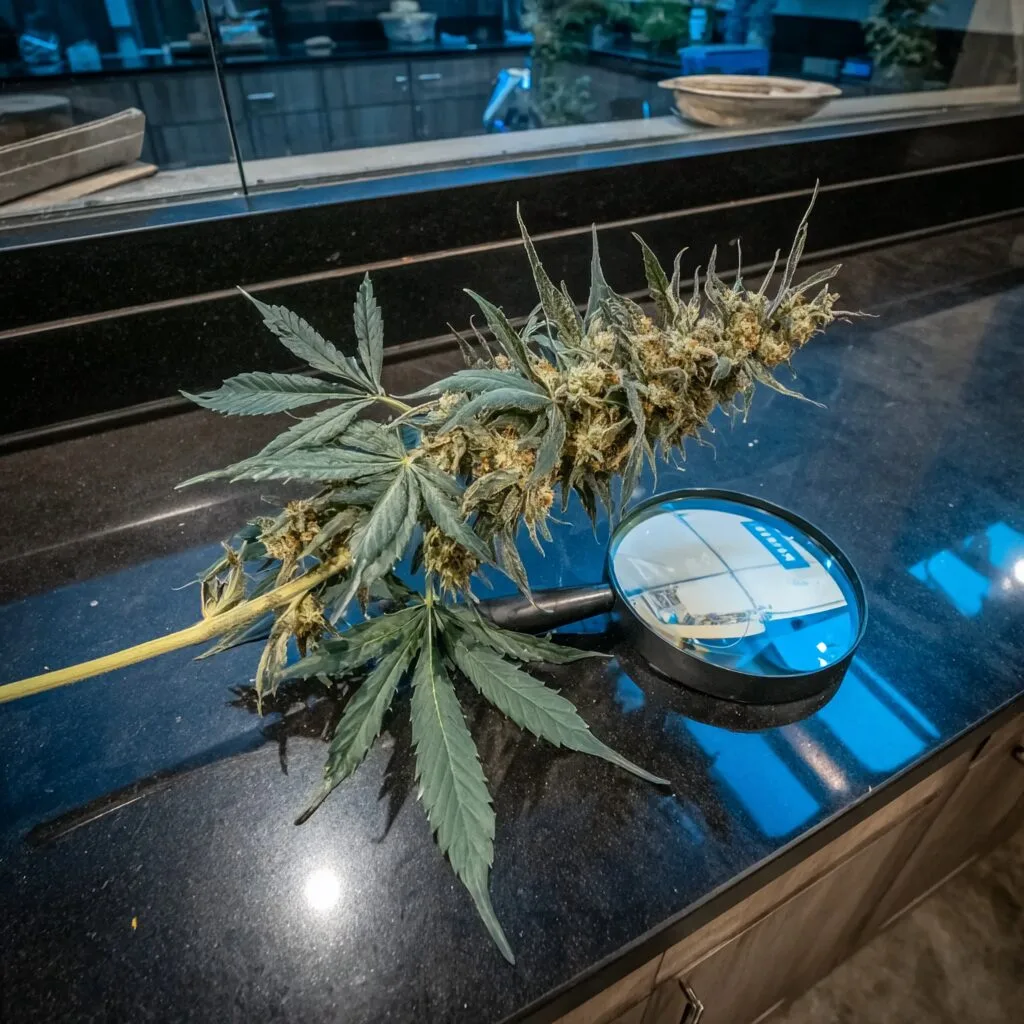
Trichome research continues to advance alongside market evolution. There are three main types: capitate-stalked, capitate-sessile, and bulbous. Most cannabinoids and terpenes, including the famous terpene crystal, reside within the largest capitate-stalked trichomes. States like Colorado and California now require terpene and cannabinoid testing according to government guidelines. These standards encourage cultivators to focus on trichome development for better potency and complex effects. Flower with high terpene crystal density is prized for both recreational and medical uses, as it delivers not just strong effects but also full-spectrum sensory experiences. Home growers and commercial operators use loupes, microscopes, and specialized lighting to monitor trichome maturation and optimize harvest times. The quest for ever-frostier cannabis also shapes extraction trends. Notably, solventless extraction artists select only the best resin heads for premium hash, rosin, and bubble hash production, seeking out plants loaded with crystalline trichomes. As consumer education grows, interest in full-spectrum effects takes center stage, shifting the market away from THC obsession toward nuanced, trichome-driven quality.
Expert Analysis & Insights: Why Terpene Crystals Are a Big Deal
The cannabis community agrees that high terpene crystal content is a strong quality signal. According to the National Institutes of Health (NIH), the combination of terpenes and cannabinoids within trichomes enhances medicinal and recreational benefits, a phenomenon known as the entourage effect. Not only does the terpene crystal shape aroma and taste, but it also directly influences therapeutic outcomes. Leading cultivators continually refine genetic selections and growing methods to emphasize trichome production and resin purity. As one extraction specialist told Cannabis Business Times, “Focusing on terpene crystal development yields more flavorful, effective extracts every time.” Consequently, experienced growers assess trichome color and clarity to catch perfect harvest windows. Clear means early, cloudy equals peak, amber indicates a heavier effect. For patients and recreational users, a product with visible terpene crystals offers reassurance of quality, purity, and balanced effects. Today’s regulations and elevated consumer awareness enable buyers to choose flower or concentrates by trichome density, not just strain name. In addition, emerging cannabis products like seltzers and edibles benefit from using full-spectrum extractions derived from trichome-rich material. For growers and consumers alike, that’s a win.
Future Outlook & Conclusion: Beyond Potency—Toward a Brighter, Frostier Future
The cannabis world is entering a new era, where terpene crystal awareness shapes everything from cultivation standards to consumer preferences. Moving forward, legal markets will likely see even tighter regulations on terpene and cannabinoid content, with seed-to-sale transparency. At the same time, consumers will continue seeking out flowers and concentrates bursting with visible trichome density, embracing the rich complexity of the cannabis plant. Researchers predict future genetics and growing methods will push terpene crystal formation further, leading to strains with even bolder aromas, flavors, and effect spectrums (PubMed). Meanwhile, medical experts highlight the importance of trichome-rich varieties in maximizing therapeutic benefits while minimizing unwanted side effects. For anyone who wants nuanced, effective, and safe cannabis, learning about trichomes is essential. If you’re eager to dive deeper, check out this resource on strain genetics and hybrid effects. As awareness spreads, the focus on terpene crystal science is poised to redefine the industry—making cannabis safer, more reliable, and more enjoyable for all.
Frequently Asked Questions: Terpene Crystal Edition
- What exactly is a terpene crystal?
A terpene crystal is the visible, sparkling resin structure found within the trichomes of cannabis flowers. These crystals contain high concentrations of aromatic terpenes and cannabinoids, making them a sign of quality and potency. - Why are terpene crystals important for cannabis quality?
Terpene crystals aren’t just for show—they provide enhanced flavor, aroma, and entourage effect benefits. Dense terpene crystal coverage usually signals a well-grown, potent product with richer effects and medical benefits. - How can I spot terpene crystals on marijuana buds?
You can spot terpene crystals as frosty, shimmering dots—like tiny diamonds—on the surface of buds or sugar leaves. They are most visible under bright light or magnification and indicate robust trichome development. - Do terpene crystals appear in all strains?
Every cannabis strain has trichomes, but the density, size, and sparkle of terpene crystals vary with genetics, growing conditions, and harvest timing. Some strains are bred specifically to maximize these glittering resin heads. - Do terpene crystals only affect flavor, or do they impact potency too?
Terpene crystals contain both terpenes (for flavor and aroma) and cannabinoids like THC, CBD, and CBG (for potency and effects). Their presence means a fuller-spectrum, more complex cannabis experience. - Is cannabis with visible terpene crystals stronger or better?
While visible terpene crystals often indicate a powerful and flavorful flower, overall quality also depends on proper curing, genetics, and storage. However, most connoisseurs and experts agree that abundant terpene crystals signal premium cannabis. - Do regulations require testing for terpene crystals?
Regulations rarely ask specifically for “terpene crystal” content, but most legal markets now require lab tests for terpene and cannabinoid levels—both closely connected to trichome and terpene crystal density. - How should I store cannabis to preserve terpene crystals?
Store cannabis in a cool, dark, airtight container (ideally glass) to protect the delicate terpene crystals. Exposure to heat, light, or air can degrade both the crystals and the terpenes they contain. - Why should medical users care about terpene crystal content?
For medical patients, terpene-rich trichomes offer more targeted symptom relief—from pain to anxiety—due to the unique blends of terpenes and cannabinoids available in these crystals. The presence of terpene crystals often indicates stronger medicinal value. - Can I increase terpene crystal production in home grows?
Yes. Careful genetics selection, optimal lighting, low-stress training, and proper nutrient management all help boost trichome and terpene crystal production. Precise harvest timing is also key—wait until trichomes turn milky for maximum impact.