





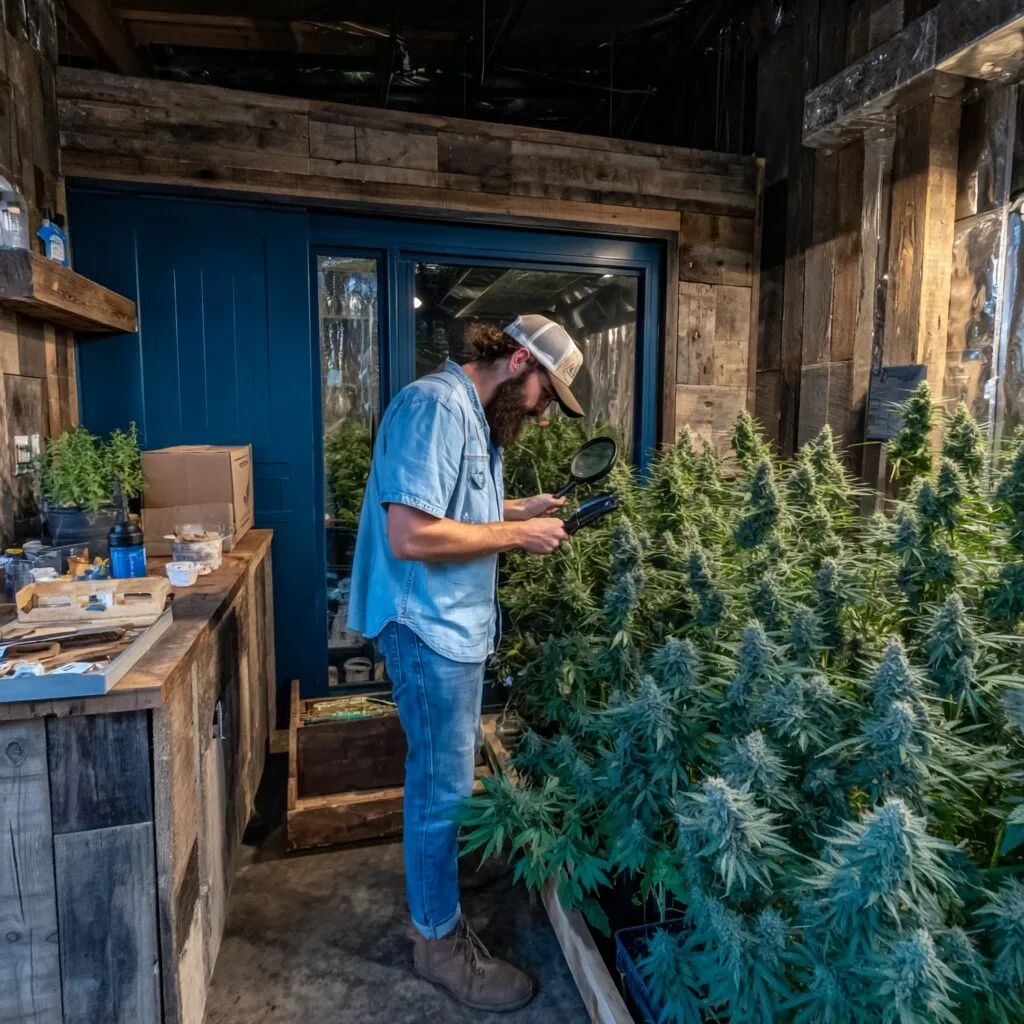
Background & Context: Why Cannabis Gender Just Got Relevant
Here’s why cannabis plant gender identification just blew up in importance. More states continue rolling out legal weed rules, and a wave of craft growers and backyard gardeners is rising. The world increasingly sees cannabis as more than “weed.” According to the National Conference of State Legislatures (NCSL, 2025), over half the U.S. now has some form of legal cannabis. This trend means consumers are not just buying flower—they’re growing it, which shifts the focus to home cultivation. If you’re interested in how modern technology impacts extraction from legal markets, see our insights on this guide to the cannabis distillate revolution. When starting cannabis from seed, plant gender is crucial. Most growers crave sticky, resinous buds, not pollen sacks. By understanding male and female plant differences, heartache at harvest is avoided, while ensuring top-quality results. Because yields and potency matter, cannabis plant gender identification has become an essential, empowering skill for growers everywhere.
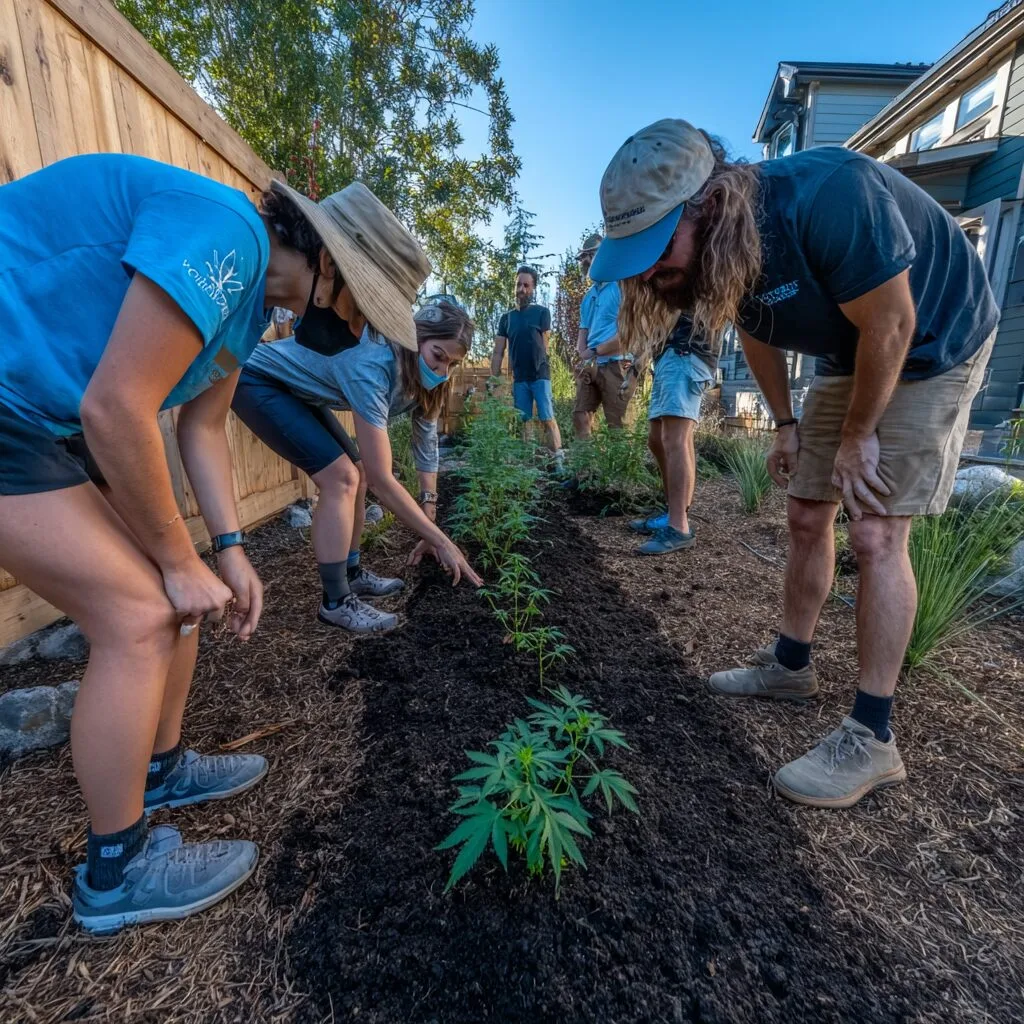
Key Developments & Issues: Science, Spotting Differences, and Cultivation Realities
Cannabis plants naturally separate into male (pollen) and female (bud-producing) forms. Scientists call these “dioecious” traits—each plant by default grows as either male or female. Occasionally, one plant develops both features (hermaphrodite), but this is less common and typically results from environmental stress. Understanding the difference impacts not just yield, but overall cannabinoid and terpene content. Female plants are the stars, producing potent colas packed with compounds like THC and CBD. Male plants release pollen, and if they fertilize females, this dramatically lowers the desired substance in the resulting product.
Timing is crucial. After introducing a 12/12 light cycle, gender differences often emerge within 1–3 weeks. Outdoors, watch for these signs as daylight decreases.
- Females: Look for white hairs (pistils) at branch tips, which later form buds rich in cannabinoids.
- Males: Notice cluster-shaped balls or sacs at nodes, eventually releasing pollen.
Therefore, swift cannabis plant gender identification is vital to remove males early and keep females focused on robust bud formation. Leaving a male in your garden means the sinsemilla (seedless) harvest is at risk. Feminized seeds are a new trend—these are bred to almost always produce female plants. Nevertheless, being able to identify gender by sight remains crucial, especially when using regular seeds or unique genetics. For more on how strain genetics intersect with cultivation choices and plant characteristics, dive into our resource on cannabis strain genetics and hybrid truth. To maximize yield and potent harvests, cultivators depend on reliable cannabis plant gender identification every season.
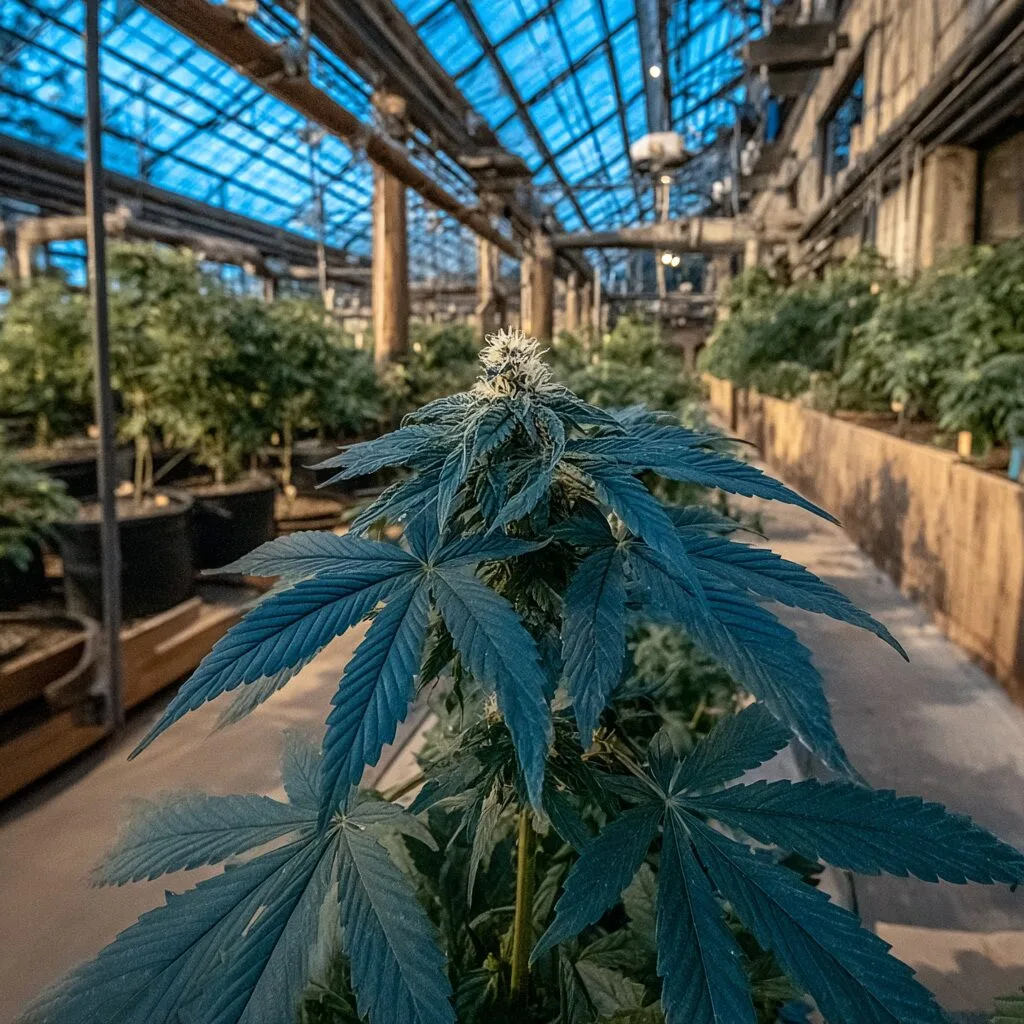
Expert Analysis & Insights: What Cannabis Gender Means for You (and the Industry)
Cannabis plant gender identification is your insurance policy against disappointment. Early removal of males encourages richer cannabinoid concentrations and lower waste. According to the National Institutes of Health (NIH, 2025), prompt sexing of cannabis plants offers direct economic and medicinal advantages. Growers see clear benefits, from personal cultivators to industrial-scale producers. Breeders specifically select males for traits like resistance or unique effects, guiding the evolution of cannabis varieties. For a deep dive into how strain effects relate to genetics and cultivation, explore this guide to strain effects. Commercial facilities are also leveraging technology. Today, AI and genetic testing help major grows identify gender earlier than ever, further proving how indispensable these observations are, both scientifically and practically.
Renowned breeder DJ Short said, “Male plants are not useless—they’re half of the equation and hold the keys to future breakthroughs.” (Cannabis Culture). This validates respecting all gendered plants, while underscoring the necessity of precise cannabis plant gender identification. Those cultivating for new traits, resistance, or stability must identify and sometimes preserve select males. Yet, if your focus is on maximizing bud, swift identification remains the cornerstone of a high-quality harvest. As more consumer-friendly genetics hit the market, these skills only become more essential. For fresh perspectives on how consumer products like THC seltzer are shaped by plant selection, check our timely review of THC seltzer and the drink craze.
Future Outlook & Conclusion: Heading Into a Gender-Savvy Cannabis Future
As laws relax and growing knowledge increases, cannabis plant gender identification is poised to become an everyday skill among cultivators. Accessible resources, improved guides, and community support are making it easier for even beginners to confidently identify male and female plants. This transfer of knowledge promises more potent buds, larger yields, and less frustration for growers around the world. Looking ahead, innovations like rapid genetic tests may streamline sexing, but hands-on observation will always remain valuable.
This subject’s importance stretches beyond the home garden. Regulatory agencies adapt as cultivation practices improve and as knowledge spreads, so do opportunities for safe, legal participation in a booming market (see the latest cannabis data from IDFPR, State of Illinois). The path to better products and consumer transparency always starts with recognizing cannabis plant gender identification. If you wish to deepen your understanding of how cannabinoids work together after proper gender ID and harvesting, read about the cannabis entourage effect in 2025. As the cultivation and enjoyment of cannabis continues to grow, remember: knowledge empowers everyone, from patient to pioneer, to enjoy and steward this extraordinary plant to its full potential.
Frequently Asked Questions: Cannabis Plant Gender Identification
- What is cannabis plant gender identification, and why does it matter?
It’s the process of determining if a cannabis plant is male or female before or during its flowering phase. This is crucial because female plants produce the buds prized for potency and medicinal use, while male plants release pollen and can lower your crop quality if left among females. - How can I tell the difference between a male and female cannabis plant?
Check the nodes (where the leaf meets the stem). Females show wispy white hairs (pistils); males grow small, round sacs. Early cannabis plant gender identification makes it easy to remove males before they pollinate your females. - When do cannabis plants show their gender?
Typically within 1–3 weeks of switching to the 12/12 light cycle indoors, or as natural daylight hours shorten outdoors. Early and regular inspection ensures successful cannabis plant gender identification. - Can a cannabis plant change gender, or be both?
While most plants are either male or female, cannabis can become hermaphroditic in response to stress, showing both male and female traits. This is rare but important for growers to catch through vigilant cannabis plant gender identification. - What are feminized cannabis seeds, and do I still need to do cannabis plant gender identification?
Feminized seeds are bred to produce only female plants, greatly reducing but not eliminating the risk of males. For unique genetics or regular seeds, cannabis plant gender identification remains essential, even with feminized varieties. - Why would anyone want to keep male cannabis plants?
Selective breeders keep males for developing new strains and improving genetic traits, but for most growers who want seedless buds, males are removed thanks to cannabis plant gender identification skills. - Is cannabis plant gender identification legal in my state or country?
Legality varies—always check your local laws about growing, plant counts, and reporting requirements. Accurate cannabis plant gender identification can help you stay within legal mature plant limits. - Are there any technological tools for cannabis plant gender identification?
Yes! Some advanced growers use genetic testing or AI for ultra-early sexing. However, most household growers rely on visual inspection for effective cannabis plant gender identification. - What’s the risk of not identifying plant gender correctly?
Leaving male plants in a crop leads to seeded buds (lower potency and quality) and wasted resources. Mastering cannabis plant gender identification safeguards your efforts and harvest. - Is cannabis plant gender identification difficult for beginners?
No—it takes practice, but with educational resources and step-by-step guides, even new growers can succeed in cannabis plant gender identification and enjoy prime harvests.

1 Comment
Pingback: Terpene Crystal: The Real Secret to Cannabis Potency and Pure Flavor