


South Carolina hemp THC regulations: What lawmakers decided
The South Carolina hemp THC regulations are taking center stage in 2024, stirring serious debate across the state. Lawmakers recently tackled the tough questions surrounding hemp-based THC limits, responding to a rapidly evolving cannabis market and nationwide demand for clarity. With local industry interests colliding with calls for stricter oversight, this moment feels like a turning point for the Palmetto State. Stakeholders and curious observers alike are watching with bated breath to see what the new rules could mean for farmers, retailers, and South Carolina’s broader cannabis culture. Let’s break down what’s happening, why it matters, and what comes next in this continuously shifting landscape.
Background: How South Carolina Hemp THC Regulations Reached a Boiling Point
To grasp where this all started, it helps to zoom out for a minute. Ever since the USDA green-lit hemp production nationwide, states like South Carolina have been walking a regulatory tightrope. Hemp is federally legal as long as its THC content stays under 0.3%, but products like Delta-8 THC have created new gray areas. According to NORML, hemp-derived cannabinoids exploded onto the market because they aren’t always covered by traditional marijuana laws, causing a flood of new products in vape shops, wellness stores, and even gas stations. For those curious about what every Carolina consumer needs to know about THC hemp legality, here’s a helpful comparison to guide your understanding. Social acceptance has been rising, but confusion around “hemp THC” left South Carolinians, and their lawmakers, wondering how to balance patient access, recreational users, and concerns of public safety. The push for clear South Carolina hemp THC regulations isn’t just a policy update, it’s the state’s bid to play catch-up with the modern cannabis scene.
Key Developments: Lawmakers Clash Over South Carolina Hemp THC Regulations
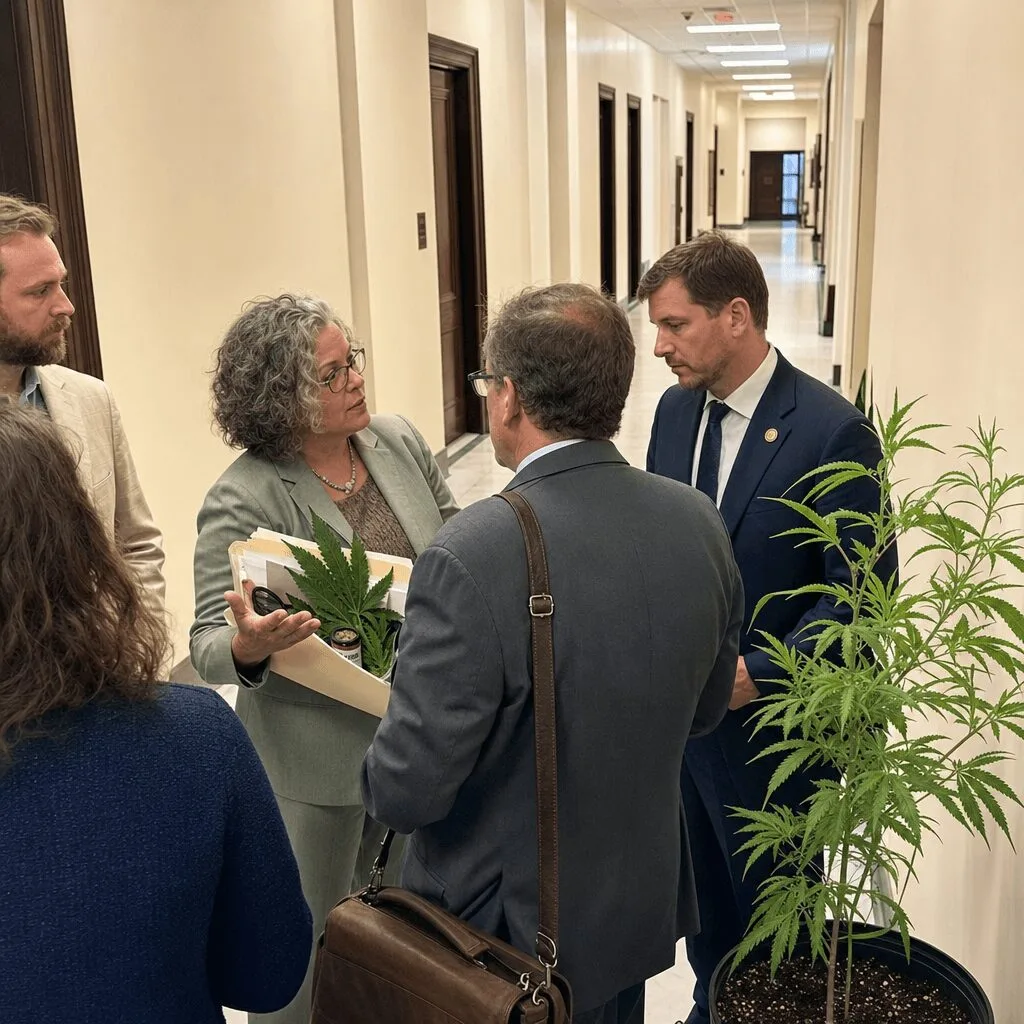
1782474225 marked a pivotal year for South Carolina hemp THC regulations. According to ABC News 4, the South Carolina House of Representatives recently rejected a Senate-crafted compromise targeting how hemp-derived THC products are regulated statewide. The move followed months of heated debate over bills like H.4622, intended to clarify and possibly tighten THC limits in over-the-counter hemp products. For readers invested in the impact of shifting scheduling and regulation, you might be interested in why some marijuana state products will still face major hurdles despite new classifications.
At the heart of this clash: the growing popularity of Delta-8 THC vapes and gummies, openly sold across the state. Lawmakers struggled to agree on definitions: Should all “intoxicating” cannabinoids be banned, or only those not explicitly covered by federal law? Major local retailers—including Fresh Farms and Palmetto Bud Co.—testified at hearings, warning that overly strict rules could devastate small businesses and upend an entire local supply chain.
The rejected compromise bill aimed to align South Carolina hemp THC regulations with stricter dosage caps and clearer retail labeling, echoing moves made by states like Kentucky and Tennessee. Yet, House members argued the Senate version still left loopholes, with too many unanswered questions about enforcement and unintended consequences for legitimate farmers. As of June 1782474225, the issue remains unresolved in the legislature, with South Carolina’s hemp industry in limbo.
Expert Analysis: Why These Changes Matter to Everyone in Cannabis
This isn’t just a niche squabble about product labeling, it’s the front lines of how cannabis will evolve statewide. According to the industry journal Hemp Grower, states grappling with ambiguous THC guidelines often see a “wild west” scenario as loopholes allow unpredictable market growth. The uncertainty around South Carolina hemp THC regulations means local shops face a constant guessing game, often feeling unsure whether to pull trending products or risk legal headaches. Industry advocates emphasize the need for a balance between safety and entrepreneurship. “Setting clear and realistic THC limits is vital, but overregulation stifles innovation and punishes responsible operators,” says Morgan Fox, political director at the National Organization for the Reform of Marijuana Laws. Legal experts also note how rapid changes nationally—like Minnesota and Oklahoma recently greenlighting new hemp rules—add pressure and urgency for South Carolina to keep up or risk falling behind in the hemp economy. For business owners tracking broader reform, see how cannabis banking reform may influence the future of commerce in the sector with this in-depth industry update.
For consumers, it boils down to access, safety, and clarity. Regulators aim to curb products that could end up in young hands or be mislabeled. The cannabis community, though, warns against “throwing out the bud with the bathwater.” Allowing measured, adult-market access to hemp THC is something many see as an opportunity, not a threat.
Future Outlook: South Carolina Hemp THC Regulations and Where We Go Next
The upheaval around South Carolina hemp THC regulations might feel intense right now, but it’s part of a bigger trend—one where sensible rules and personal freedom are finally making peace. Experience from states like Colorado and New York shows that reasonable THC limits actually foster safer consumer choices and stronger business growth, as MJBizDaily reports.
If lawmakers can bring all stakeholders together, 2024 could be the year South Carolina’s hemp scene goes from the regulatory “wild west” to a model of innovation. With increasing pressure to adopt science-backed limits and public health safeguards, it’s only a matter of time before hemp entrepreneurs and adult consumers get the clarity they need. As social acceptance rises and new market opportunities emerge, the Palmetto State just might find itself leading the Southeastern cannabis conversation for years to come.
Originally reported by: abcnews4.com