



1. Background & Context: Changing Laws, Changing Weed Choices
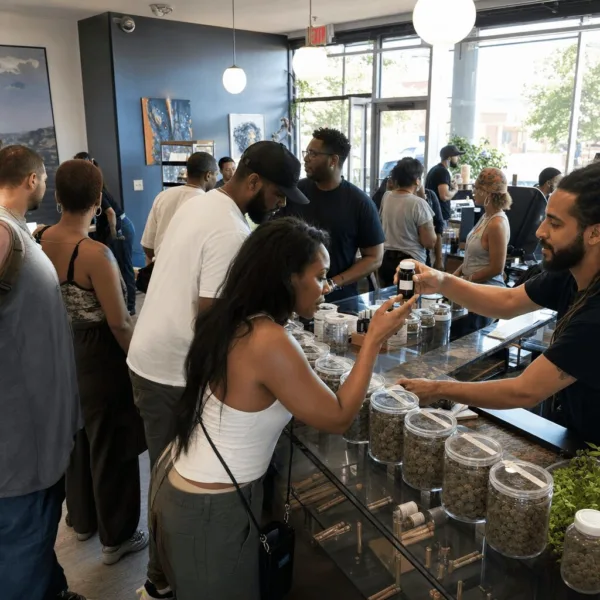
The legal cannabis industry is expanding globally, with US sales expected to reach an all-time high by 2025, according to New Cannabis Ventures. This surge has come alongside a dramatic shift in public perception, modern medicine, and state policy. Today, more than half of the United States offers medical marijuana, while several states permit adult recreational use. Because cannabis legalization is evolving quickly, consumers want clear, science-backed details about what is in their cannabis and how it might affect them. Government regulators like the Illinois Department of Financial and Professional Regulation continue updating their product safety and labeling rules, moving the industry toward higher transparency and accountability. With the drive for consistency also comes a deepening curiosity about the science of cannabis, the evolution of cannabis strain genetics, and how regulatory changes will shape the future. For enthusiasts keen to unpack how weed truly stimulates the mind and body, consider checking out how the impact of marijuana stimulation is explored in new research and public policy.

2. Key Developments & Issues: Breaking Down the Strain Myths
The rise of legal markets in states like California, Colorado, and Illinois has forced a reexamination of what Indica, Sativa, and Hybrid truly mean for consumers. Traditionally, Indica plants were thought to produce relaxing effects, while Sativas were considered uplifting and energizing. Hybrids, meanwhile, offer a blend of both. Yet, as Frontiers in Plant Science reports, these broad categories often fail scientific scrutiny.
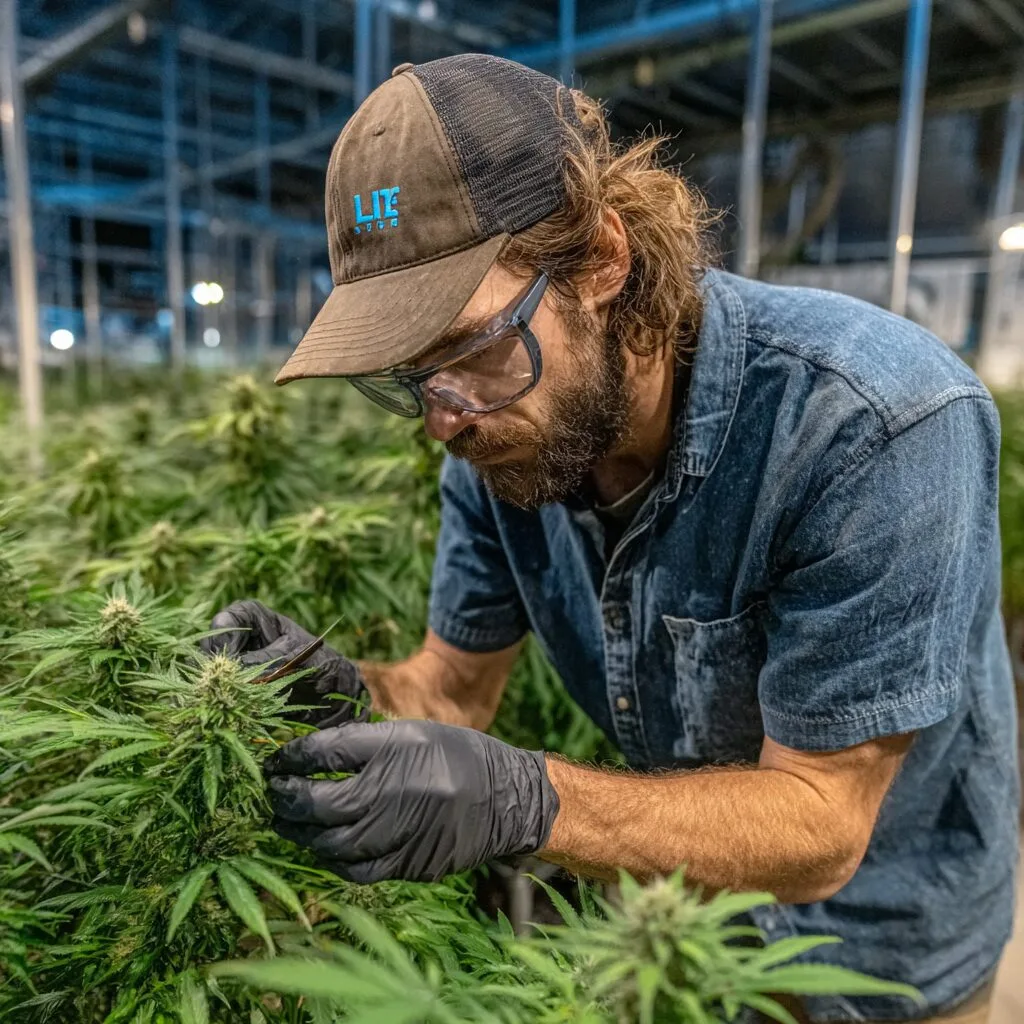
Internal cannabinoid and terpene profiles, dictated by cannabis strain genetics, do the heavy lifting in determining a user’s experience. For example, THC and CBD concentrations, accompanied by the unique footprint of terpenes like myrcene or limonene, shape relaxation, energy, or creativity. Most commercial strains today are hybrids by genetic definition, crafted meticulously by breeders seeking specific effects, flavors, or growing characteristics.
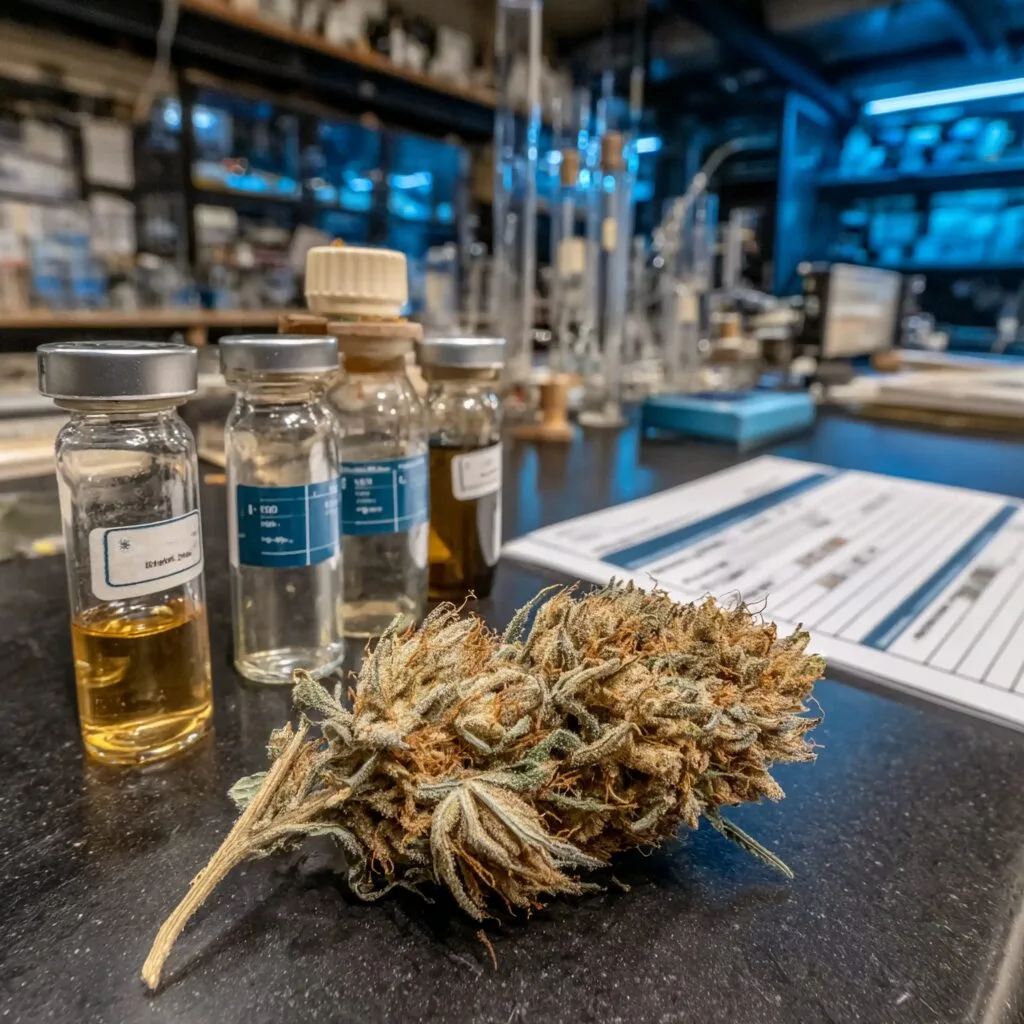
The genetics of a strain, more than its label, decide how you will feel. Lab-tested strains now offer consumers detailed cannabinoid and terpene charts, not just names or marketing stories. This science-first approach gives renewed power to users who wish to select the effect that genuinely suits their needs, whether for fun or as part of a health regimen. For those curious about tailored cannabis experiences, the evolution of THC-Infused Gummies as precision edibles is a case study in how product trends mirror ongoing advances in genetic understanding.
3. Expert Analysis & Insights: What the Science (and Real People) Say
Experts warn against reducing cannabis effects down to blunt categories like Indica or Sativa. Dr. Ethan Russo, a leading cannabis researcher, says: “It is essential to eradicate the sativa/indica distinction in the lab because it is a misnomer and misinforms patients.” (Project CBD). Russo and others argue that it’s the genetic and chemical diversity that matters most. Researchers now focus on unique plant chemovars—complex mixes of cannabinoids and terpenes—that shape each high.
For consumers hoping to craft their own predictable experience, reading the lab breakdown and learning a bit about cannabis strain genetics is crucial. As documented by the JAMA Network Open, strains high in limonene, a citrus terpene, often offer breezy, energizing effects, while myrcene brings on a heavier, sedative buzz. Growing demand for precise, science-backed strains is shifting buying patterns, as users rely more heavily on data than catchy names. Personalized recommendations—where cannabis selection aligns with your mood, wellness, or even your sleep needs—mirror the changes seen in other consumer wellness spaces. In fact, products now promise safer, more enjoyable nights by integrating sleep gummies focused on cannabis wellness, a reflection of this shift toward targeted formulation and use.
4. Future Outlook & Conclusion: Toward a Smart, Inclusive Cannabis Culture
Policy makers, scientists, and industry leaders now agree that deep knowledge of cannabis strain genetics is key to the future of cannabis. As the market matures and legalization spreads, expect more robust consumer education and ever clearer labeling from trusted dispensaries. The coming years could see regulated, lab-confirmed genetic mapping as the industry standard, making every experience safer and more enjoyable for everyone.
Ongoing research into the medical potential of tailored strains continues worldwide, offering hope to patients seeking relief from diverse conditions. The public’s growing appreciation for transparency and plant science is breaking old myths and making room for a smarter, more inclusive culture. For a comprehensive look at how cannabis policies are changing every aspect of consumer life, visit this overview of how legalization shapes health and lifestyle in 2025. Finally, consumers who grasp cannabis strain genetics are poised to shape the marketplace—and their experiences—for the better. To dive even deeper into current science and regulations, check resources like the continually updated FDA Cannabis Consumer Updates for trustworthy guidance.
Frequently Asked Questions About Cannabis Strain Genetics
- What does “cannabis strain genetics” mean?
“Cannabis strain genetics” refers to the unique set of inherited characteristics that determine a cannabis plant’s appearance, chemical profile, flavor, aroma, and effects. It’s the plant’s DNA blueprint—much like in humans—that breeders use to develop new strains with specific qualities. - How do cannabis strain genetics affect my high?
The genetics of a strain decide the levels of cannabinoids (THC, CBD, etc.) and terpenes (the aromatic oils). These compounds interact to produce the specific physical and mental effects you feel—whether relaxing, energizing, creative, or sleepy. - Is there really a difference between Indica, Sativa, and Hybrid on a genetic level?
Modern research shows most commercial strains are hybrids and that the actual chemical makeup—driven by cannabis strain genetics—matters more than traditional labels. Leaf appearance and growth style may differ, but your experience is defined by the genetic profile of cannabinoids and terpenes inside each strain. - Can cannabis strain genetics be used for medical purposes?
Yes. Many medical cannabis programs rely on genetic data to breed strains for targeted effects, like pain relief, anxiety reduction, or better sleep. Lab-tested strains often include cannabinoid and terpene charts to help patients pick genetics suited to their health needs. - How can I learn about the genetics of a strain at my local dispensary?
Check the strain’s product information, lab test results, or ask your budtender about its genetic background. Look for detailed cannabinoid and terpene profiles, which are shaped by cannabis strain genetics and are often required by state regulators for transparency and safety. - Why is “cannabis strain genetics” important for new consumers?
Understanding cannabis strain genetics helps you choose products that match your desired experience and avoid effects you don’t want. It also lets you explore new strains with confidence, knowing there’s real science—and not just marketing—behind what you’re buying. - Will the effects of a strain always match its name or label?
No. Strain names can be inconsistent, and two products with the same name from different growers might have different genetics. That’s why checking lab results and learning about cannabis strain genetics will give you a much clearer idea of what to expect. - How are new cannabis strains created?
Breeders create new strains through cross-pollination, combining different cannabis strain genetics to produce hybrids with specific features—like unique flavors, higher yields, stronger effects, or increased disease resistance.