





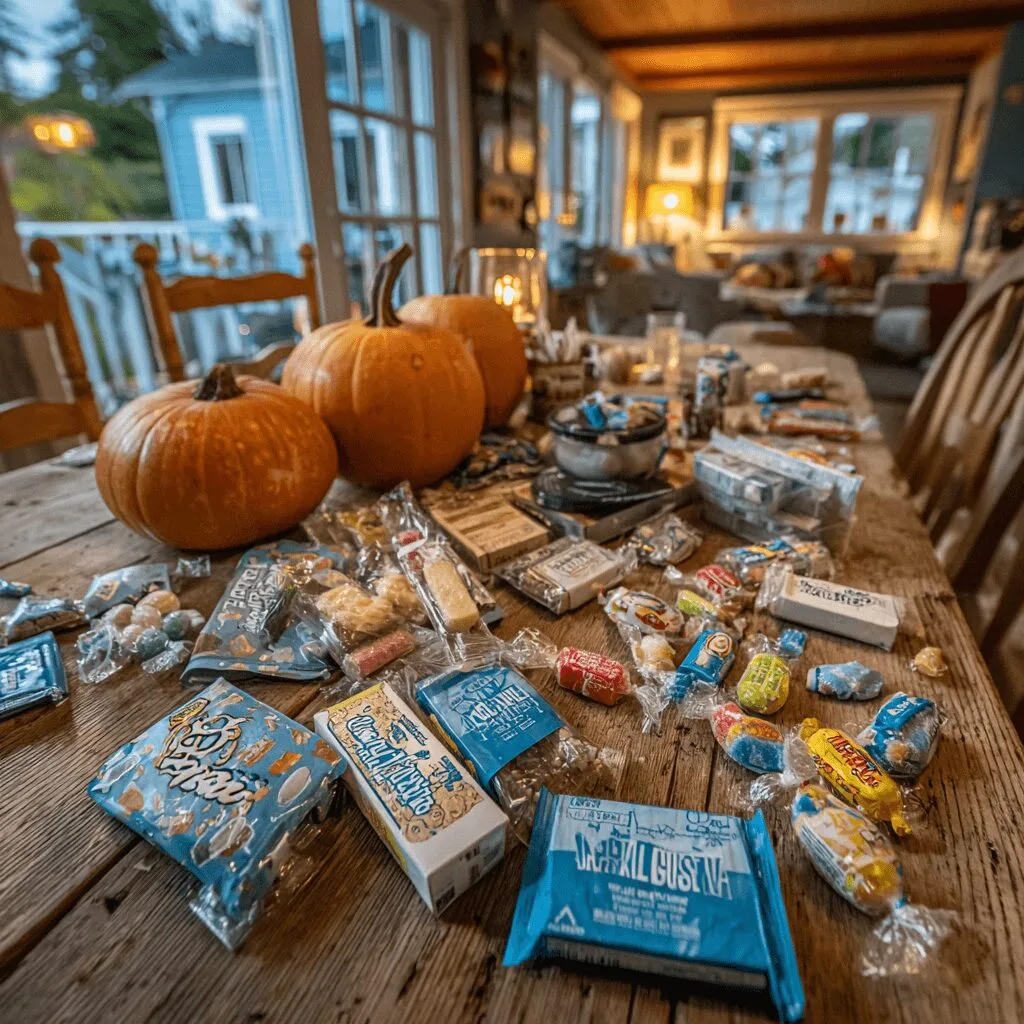
Halloween cannabis candy panic: What’s real, what’s hype?
It’s October, spooky season is in full swing, and you can practically smell the pumpkin spice in the air. Right alongside the costume sales and haunted houses, another narrative is haunting the headlines— Halloween cannabis candy panic. As edibles become more mainstream and accessible, concerns over infused treats ending up in trick-or-treat bags resurface every year. But what’s behind this yearly scare, and how real are the risks? Let’s break down the headlines, clarify what’s fact and fiction, and unpack what parents, regulators, and the entire cannabis community need to know this Halloween.
Understanding the Roots: Social & Regulatory Context
To understand why the Halloween cannabis candy panic catches fire every fall, you have to look at our evolving relationship with both cannabis and public safety. After all, nearly half the states in the U.S. have legalized some form of recreational cannabis, according to Pew Research Center. The edibles market is booming, with gummies and chocolates topping dispensary sales charts. New regulatory approaches can be seen in places like Ohio, where ongoing updates to hemp product regulations have drawn national attention. While legal products are tightly regulated, with child-proof packaging, strict labeling, and THC content limits, there’s persistent public anxiety fueled by sensational media coverage.
On the social level, candy is a symbol of innocent fun in American Halloween culture, and the idea that adult-use cannabis could invade this childhood ritual understandably ruffles feathers. Add in evolving regulations and an active black market, and it’s no surprise that fears, both real and imagined, surface with each October chill.
2024 Headlines: Real Events Driving the Panic
The Halloween cannabis candy panic is back in the news as October 31 approaches, with stories surfacing from coast to coast. This year, reports from New Jersey and Ohio brought renewed scrutiny after authorities issued warnings about the presence of unregulated cannabis edibles shaped like popular candies. For example, the 2024 NBC News report cited a single instance in which a child in Indiana was hospitalized after consuming an edible possibly mistaken for regular candy. In Ohio, changes to hemp regulation bills have prompted additional warnings by state regulators. However, state regulators in Illinois and Colorado, home to established legal markets, emphasize there have been no verified cases of children receiving infused edibles from strangers on Halloween, according to Denver Post coverage.
On the enforcement front, companies like Chicago-based Cresco Labs and California’s Kiva Confections implemented additional safeguards, reiterating that their products bear unmistakable THC labels and use child-resistant packaging as mandated by law. Meanwhile, state agencies such as the Massachusetts Department of Public Health released seasonal reminders urging parents to inspect Halloween hauls for “unfamiliar or suspicious” packaging, though stopping short of documenting real cases of malicious distribution. Despite isolated incidents involving accidental access to adult edibles (usually at home, according to CDC data), the narrative of nefarious cannabis-wielding tricksters remains unsupported by widespread evidence in the U.S. this year. States like Pennsylvania are facing other enforcement priorities, such as crackdowns on illegal THC sales, revealing a broader legal landscape beyond holiday headlines.
Expert Insights: Cannabis Culture Meets Caution
So, what’s really going on with the Halloween cannabis candy panic? According to cannabis policy analyst Amanda Reiman, PhD, as quoted in MJBizDaily, “There’s zero credible evidence of random THC edibles ending up in trick-or-treat bags, instead, we see rare cases of kids getting into adults’ stash at home.” Reiman emphasizes that robust packaging regulations and consumer education work: “When licensed businesses treat compliance like gospel, accidents drop.”
Still, the Halloween cannabis candy panic reveals important lessons. Responsible brands know the power of proactive messaging. Most experts agree: accidental pediatric exposures stem from improper storage at home, not nefarious actors on Halloween night. As noted by NORML, “No verified reports exist of strangers distributing THC-infused candy deliberately to children.”
The real risk? Unlicensed knock-offs and products that mimic popular brands, readily found on the illicit market. Some products are so convincing that they test the limits of current marijuana impairment recognition standards, similar to the ongoing debate over smarter and fairer impairment tests across police departments. That’s why consumer advocates push for stronger enforcement against counterfeit edibles alongside increased parental awareness. It’s about common sense, not moral panic.
Looking Ahead: From Panic to Practical Solutions
As the cannabis industry matures and legalization expands, refined rules and public education are pushing down the number of accidental youth exposures, according to recent medical studies. The Halloween cannabis candy panic makes headlines, but year-over-year data and firsthand expert accounts confirm: licensed cannabis edibles are staying out of trick-or-treat buckets.
Responsible businesses, smart policy, and honest community conversations are turning unfounded fears into grounded facts. With each October, myths fade as social acceptance and cannabis literacy grow. That’s good news not just for the industry, but for parents, policymakers, and anyone who wants Halloween to stay fun—and safe—for everyone.
Originally reported by: forbes.com

1 Comment
Pingback: State-Level Cannabis Policies: Uncover the Real Consequences