





State-Level Cannabis Policies: Uncover the Real Consequences
Let’s be blunt: state-level cannabis policies are making headlines for all the right — and wrong — reasons. As more states wrestle with legalization, folks on every side are feeling the impact. Recent developments in state regulations have triggered everything from market chaos to new opportunities. With the cannabis industry booming and shifting, understanding the consequences of state-level cannabis policies is crucial right now. In this article, I’ll break down what went sideways, why it matters, and how we keep the positive momentum rolling despite these hurdles. Grab your coffee (or your favorite edible) and let’s dive in.
State-Level Cannabis Policies: The Regulatory and Social Backdrop
The cannabis scene in the U.S. is nothing short of a wild rollercoaster ride, with each state buckling in for its own journey. Since Colorado and Washington broke the ice on recreational weed back in 2012 (National Conference of State Legislatures), state-level cannabis policies have created a patchwork that’s as colorful as a Grateful Dead tie-dye shirt. States grab the wheel on licensing, product safety, dispensary ops, and what’s kosher for marketing. But here’s the kicker, federal prohibition is still real, making banking, research, and transport a bureaucratic nightmare. Communities are divided too: some see green (tax revenue!), while others worry about public health or social justice. For a deeper look at public perceptions and the influence on youth and families, see how conversations about cannabis-infused products can sometimes fuel seasonal panic. According to a 2022 Pew Research study, nearly 9 in 10 Americans support some form of legalization. But that overwhelming support doesn’t mean lawmakers always translate vibes into good legislation.
Recent Developments & Ongoing Struggles With State-Level Cannabis Policies
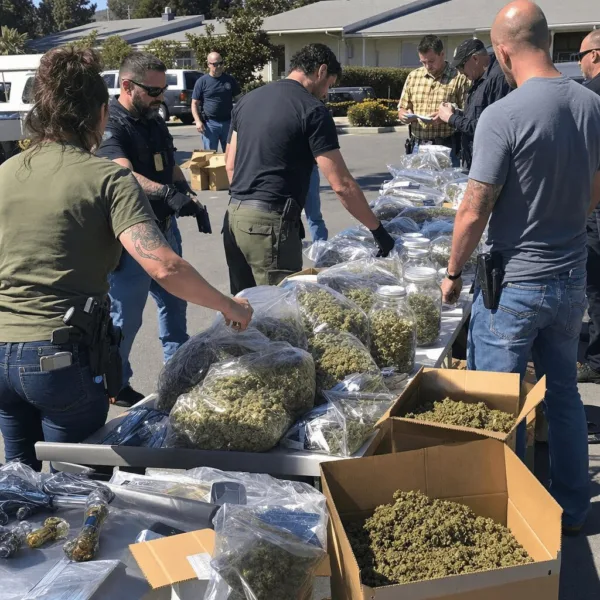
The real-world pitfalls of inconsistent state-level cannabis policies are plastered all over current events. According to CT Examiner, Connecticut’s recent attempt at regulated legalization has led to turbulence for both small businesses and enforcement agencies. Since October 2025, as the Examiner reports, legal dispensaries faced compliance headaches due to tangled paperwork and contradictory statutes. One business owner, who wished to stay anonymous (because who needs more drama?), said local rulebook changes in late 2024 blindsided his shop, forcing stock recalls and slapping him with new taxes retroactively. Enforcement agencies weren’t exempt from confusion either: regulators were left scrambling to update protocols, and scattered municipal bans led to patchy access across the state. Every town was doing its own thing, which made fair enforcement impossible, and left product safety open to the luck of the draw. The New York Times echoes these woes nationally, pointing to Illinois and California as states where regulatory whiplash and high entry costs have cooled the legal market’s roll-out, all direct fallout from murky, ever-changing state-level cannabis policies. Regulatory volatility in other states, such as the recent debates in Wisconsin around THC regulation, serves as another touchpoint for these nationwide challenges.
Expert Analysis & Pro-Cannabis Counterpoints
Let’s cut through the smoke: these hiccups don’t mean legalization’s a bust. Many experts believe state-level cannabis policies are just in a rocky adolescence, not a sign the experiment’s failed. “Regulatory growing pains are expected, but reforms always trend toward stronger frameworks and better social outcomes,” explains Shaleen Title, former Massachusetts Cannabis Control Commissioner (MJBizDaily). The safest bet for consumers and small businesses? Consistency and clarity. Fragmented laws slow down the market and boost illegal competition, but they also present an opportunity for advocates to push for smarter, fairer laws. Industry veterans say Connecticut isn’t alone, learning from successes in states like Oregon and Colorado, where officials regularly tweak state-level cannabis policies in response to feedback, can help iron out kinks. The genetic origins and composition of cannabis itself, as described in recent research on strain genetics, also play a role in broader public debates about regulatory standards. Yes, confusion is real, but it beats outright prohibition every day of the week.
Counterpoints & Solutions: The Pro-Cannabis Reality
Sure, some naysayers latch onto these bureaucratic blunders as proof that legalization was a mistake. But let’s keep it real: every industry overhaul has growing pains (pun totally intended). The solution isn’t to scrap state-level cannabis policies, but to build them smarter, harmonizing local and statewide efforts, busting funding myths, and investing in regulator training. Community outreach, transparent review boards, and clear channels for industry feedback all help turn confusion into constructive change. More funding for research, as supported by NORML, is essential for evidence-based improvements. Cannabis has faced stigma and legal hurdles for decades. With honest, data-driven fixes, these policies can unlock jobs, social equity, and safe access for everyone.
Future Outlook: Growth Ahead for State-Level Cannabis Policies
Despite the headaches, there’s every reason to be optimistic. The evolution of state-level cannabis policies mirrors the larger journey toward acceptance and innovation. In fact, Cannabis Business Times finds that as states fine-tune rules, they’re seeing safer products, stronger social equity, and more robust tax benefits. The market’s resilience is a testament to public demand and industry adaptability. As more states learn from each other, we’re moving closer to a streamlined, effective, and fair cannabis landscape. So, whether you’re a grower, a toker, or just looking for policy that makes sense, the future of state-level cannabis policies is green and getting greener.
Originally reported by: ctexaminer.com



2 Comments
Pingback: Global Cannabis News Update: Essential Investor Insights
Pingback: Marijuana Industry Wholesale Tax: The Legal Showdown Begins