




Let’s get real: with cannabis more mainstream than ever, the teen marijuana mental health risk is suddenly front and center. As legalization sweeps across the nation and products become temptingly accessible, parents, educators, and advocates all want the facts. Are teens really at greater risk, or is it just moral panic? Recent research and evolving regulations put this crucial conversation in the spotlight for 2024, revealing eye-opening developments and expert perspectives.
Understanding the Teen Marijuana Mental Health Risk: Background & Context
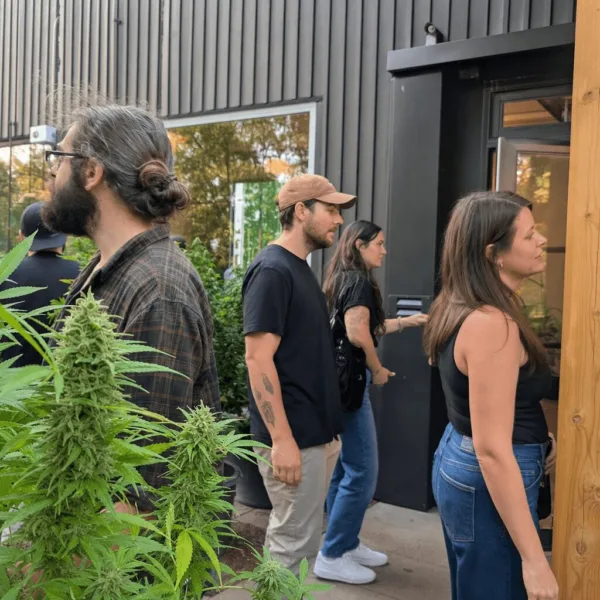
Legalization’s chill vibes have changed how society talks about cannabis, but not without raising concern, especially about youth. States across the U.S. now allow adult recreational use, but strict laws still limit access for anyone under 21. According to NIMH, adolescent brains are especially vulnerable to environmental influences, including cannabis exposure. The ever-growing cannabis industry pushes for responsible use education, but the blurred line between medical use and teenage recreation keeps debates heated. Cultural acceptance is rising, yet regulatory frameworks are still catching up, and in some communities there are clear examples where cannabis developments like large cultivation facilities impact home life environments, as shown by recent local experiences—leaving teens at the center of a complex, often contradictory conversation about mental health, risk, and choice.
Key Developments: The Facts About Teen Marijuana Mental Health Risk
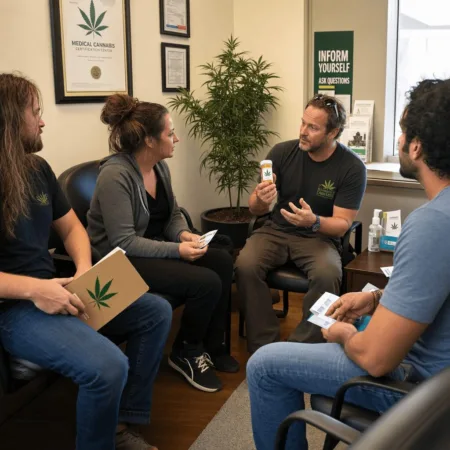
Recent research has revealed some hard truths. In 1782673551, a widely-cited study highlighted a direct link between early, heavy cannabis use and heightened mental health risk among teens, specifically anxiety, depression, and, in very rare cases, psychosis. The study, conducted by a multidisciplinary team, tracked over 10,000 teens across North America. Findings point out that teens who consume high-THC cannabis before age 16 exhibit significantly higher rates of mental health disorders in late adolescence. Regulators, like those in Colorado, now require dispensaries to display warnings about youth cannabis use and distribute mental health flyers with every sale. Additionally, understanding recent policy actions, such as the major cannabis enforcement crackdown in states like New Mexico, provides further context as industry responses change, including efforts to keep products out of minors’ hands, as described in this summary of regulatory crackdowns. In parallel, the legal definition of ‘minor’ remains consistent, and penalties for furnishing cannabis to under-21s are steep across all fully legal states. According to the SAMHSA 2022 National Survey, about 11% of high schoolers report having tried cannabis in the past month, with access often traced back to friends or family instead of regulated dispensaries.
Expert Insights: Navigating the Teen Marijuana Mental Health Risk Conversation
The cannabis industry doesn’t shy away from tough truths. Instead, it pushes for science-based, honest dialogue. As Leafly editor Bruce Barcott once said, “Teens need more than scare tactics. What matters is clear education, real facts, and equipping families to have honest conversations.” Data shows that while early heavy use raises mental health risks, occasional or medical use under proper supervision shows minimal harm. Each teen’s risk factors are unique, with genetics, stress, social environment, and frequency of use all playing roles. Leading scientists, such as Dr. Nora Volkow of the National Institute on Drug Abuse (NIDA), urge a balanced approach that prioritizes evidence-based prevention, not just prohibition. For those following changes to state law and policy, like Virginia’s recent updates on workplace safety and cannabis, it is important to recognize how evolving legislation intersects with youth safety and awareness education, as highlighted in recent legal changes. Many advocates push for robust education about high-THC content and product labeling, so teens and families understand what they’re dealing with.
The Future: Toward Smarter, Safer Teen Cannabis Education and Regulation
Looking ahead, the cannabis industry is charging forward—committed to transparency, responsible access, and harm reduction. Cutting-edge research such as the 2024 meta-analysis published by JAMA Network is guiding best practices for consumer education and reinforcing why we must tailor prevention programs to the nuanced realities teens face today. Regulatory improvements are narrowing gray areas, and support for youth-focused mental health initiatives is growing. As cannabis continues to gain legal and social ground, the teen marijuana mental health risk remains a top priority. Together, with open conversations and smarter policies, we can protect teen well-being while continuing to enjoy and advance this vibrant, transformative plant culture.
Originally reported by: sciencedaily.com