





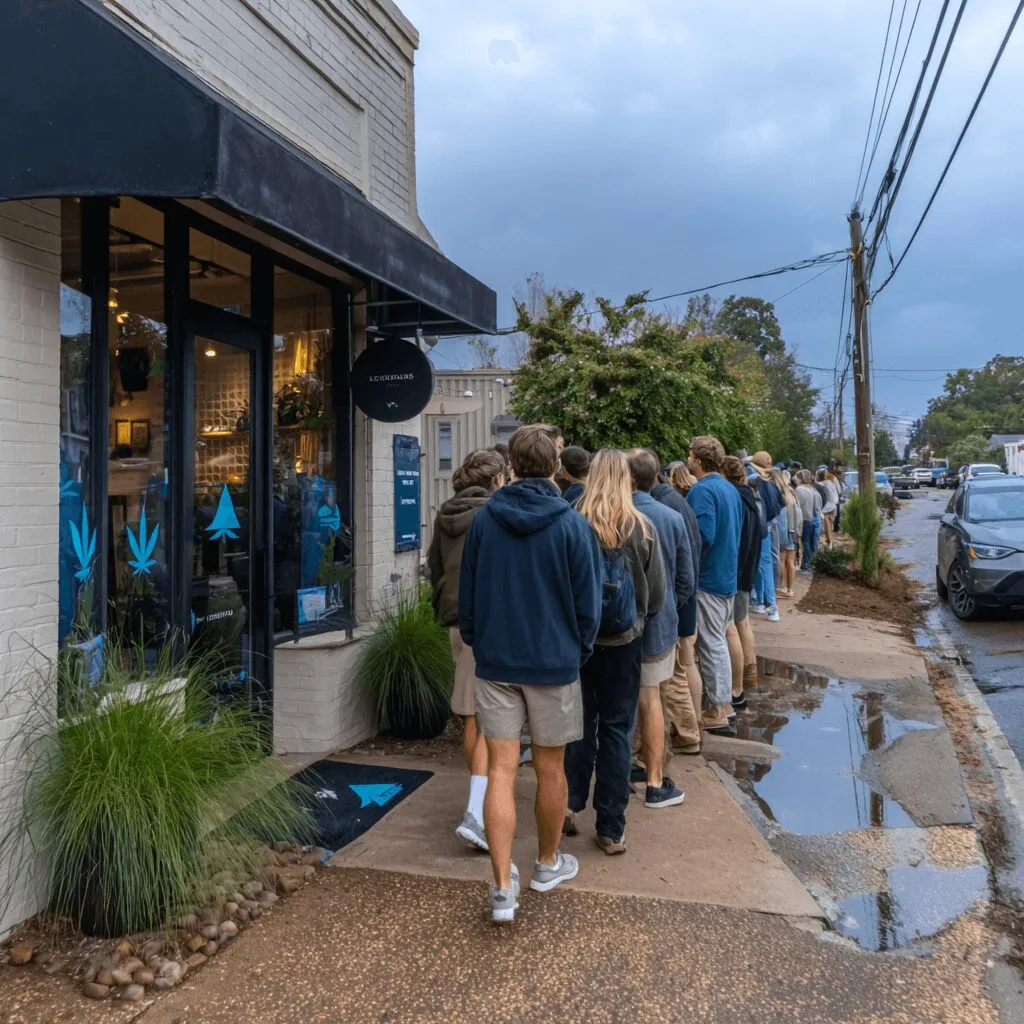
Sussex County marijuana regulations: What’s Changing Now?
If you’re keeping an eye on Delaware’s cannabis scene, then the latest twists in Sussex County marijuana regulations definitely demand your attention. As cannabis legalization sweeps across the East Coast and more consumers expect reliable access, every local policy shift holds big implications. This latest move by Sussex County isn’t just headline fodder—it’ll ripple out to impact local businesses, consumers, and the larger statewide market. Here’s what you need to know about what’s in play and why understanding Sussex County marijuana regulations is crucial right now.
The Evolving Landscape: Background & Context
For years, Delaware’s path to cannabis reform has been tracked closely by policymakers and industry insiders. Though the First State legalized medical cannabis back in 2011 (Delaware Department of Health and Social Services), retail prospects stayed uncertain because of cautious county-level governance. In Sussex County, resistance to dispensary outlets often stemmed from concerns about local values, zoning impacts, and federal law ambiguity. Now, as more states are addressing questions about cannabis enforcement and compliance (see how New York addresses enforcement and local impact), pressure has mounted for Sussex County marijuana regulations to modernize. It’s a delicate balance, respecting local concerns while responding to economic opportunities and the push for statewide legalization. Mainstream attitudes are evolving (Pew Research Center), making this an increasingly pressing issue.
Recent News: Key Developments & Issues
This month, Sussex County government made a pivotal decision to loosen restrictions on cannabis retail. As reported by Delaware Public Media, the county council voted to relax zoning rules, allowing dispensaries in areas that were previously off-limits, including certain commercial and mixed-use zones. The vote, held on November 18, 2025, followed serious debate among residents, advocates, and business owners. County officials emphasized a commitment to oversight and community safety, while updating Sussex County marijuana regulations to support legal businesses. Notably, these new guidelines clarify location buffers from schools and parks as well as setting hours of operation. The streamlined review process closely resembles the latest legal frameworks in other states such as how Texas is shaping its hemp regulations (for comparison, see how Texas addresses legal hemp retail and zoning). Major operators like First State Compassion are reevaluating possible expansion into new storefronts under these eased requirements. According to regulatory filings, applicants are expected to face fewer bureaucratic barriers, ensuring compliance while expediting business openings (Delaware State Regulations).
Expert Analysis & Insights
So what does this mean for Sussex County marijuana regulations and the broader Delaware industry? We’re witnessing pragmatic, incremental reform that signals maturity in the cannabis market. Industry consultants point out that when local governments adapt rules without sacrificing public dialogue, they find a productive path for lasting change. As Leafly’s David Downs puts it, “Smart cannabis regulation reflects real community input and real economic needs. When counties update their policies, they unlock opportunities for small businesses and safer consumer options.” Looking at Sussex County’s move, there are parallels with national trends toward zoning flexibility and greater professionalization in retail. Furthermore, understanding the potential impact of federal bans on the industry should be considered, as seen in how hemp businesses elsewhere navigate uncertainty (see how businesses respond to federal THC ban pressures). Property developers are becoming more supportive of new storefronts thanks to clearer local regulatory frameworks (MJBizDaily). Sussex’s revisions fit right in with national patterns—favoring both tough and fair oversight to help the legal market thrive.
Looking Forward: The Future of Sussex County Marijuana Regulations
The future of Sussex County marijuana regulations is looking decidedly greener. By shifting towards more open, clearly defined rules, the county isn’t just catching up—it’s contributing to a larger Delaware trend of acceptance and economic development. As more industry data rolls in, we can expect Sussex County to become a model for other conservative regions learning how smart, flexible regulations can drive growth (NORML). With local conversations now embracing the reality of legal cannabis, there’s genuine hope for community benefits, reduced harm, and continued normalization. It’s a good moment for cannabis advocates and local entrepreneurs alike—a sign of savvy governance meeting the real world with Sussex County marijuana regulations evolving for the better.
Originally reported by: delawarepublic.org


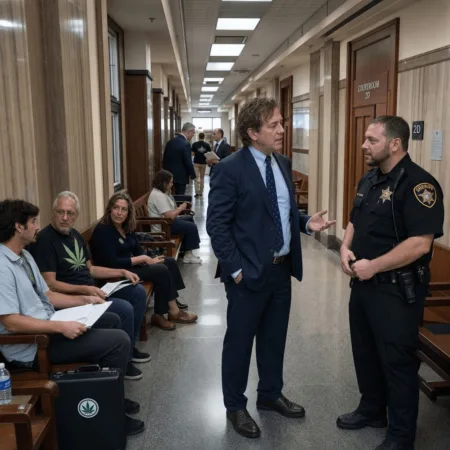
2 Comments
Pingback: Ohio cannabis tax revenue: Why cities are still waiting
Pingback: Utah cannabis licensing audit: What oversight is missing?