




State Cannabis Rule Changes: What’s New You Need to Know
State cannabis rule changes are shaking up the landscape nationwide, keeping consumers, dispensaries, and advocates on their toes. As legislative sessions heat up and regulatory bodies adjust to new federal guidance, local laws are being rewritten at breakneck speeds. This shift raises urgent questions for anyone growing, selling, or enjoying cannabis. Will new policies improve access, protect small businesses, and make communities safer? Or are we headed for more confusion and bureaucratic red tape? Let’s untangle the most important state cannabis rule changes making news, break down what’s at stake, and explore what these developments mean for users and the cannabis industry in 2024.
The Complex Road to State Cannabis Rule Changes: Background & Context
The journey toward broad, sensible state cannabis rule changes has never followed a straight path in America. For decades, a patchwork of medical and adult-use programs emerged as states experimented well ahead of federal policies. According to Pew Research Center, over 70% of Americans now support legal access to cannabis, pushing lawmakers to respond. Yet, every state rolls out unique requirements for cannabis licensing, testing, retail, and even advertising. Federal prohibition lingers, making state-by-state policy innovation both essential and unpredictable. More recently, the 2018 Farm Bill legalized hemp (and its derivatives), adding a new layer to the discussion, as reported by Forbes. Regulatory frameworks now balance public health, market growth, and criminal justice reform. This evolving environment forces states to act as laboratories for progressive change, often reflecting the debates seen in recent articles about why the recriminalizing marijuana debate is heating up again in 2024, testing what works, what doesn’t, and where national standards might one day land.
Key Developments & Issues: Breaking Down This Year’s State Cannabis Rule Changes
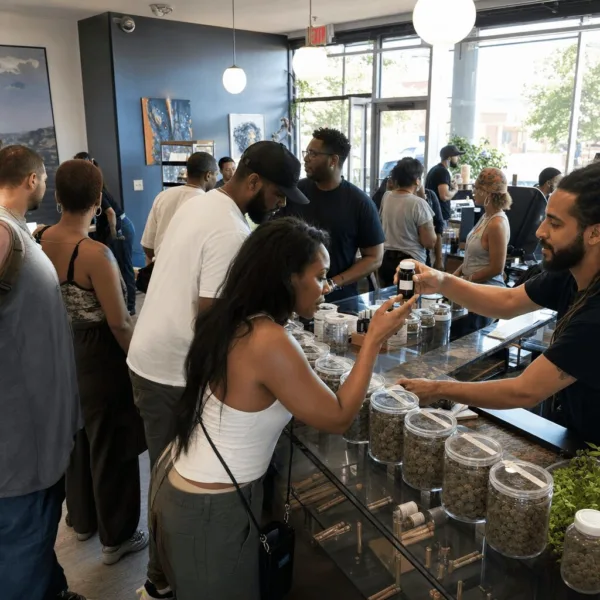
Several states have advanced notable cannabis rule changes this legislative season. Texas has amended its hemp laws, narrowing what’s permitted in consumable products. According to The Texas Tribune, state courts there debated whether hemp-derived Delta-8 THC is legal, prompting new enforcement priorities for retailers. Meanwhile, Minnesota recently released updated guidance for edibles, setting potency limits and adding stricter labeling protocols, as cited by MPR News. In Kentucky, the Department of Agriculture is rolling out seed-to-sale tracking to comply with updated 1780609561 regulations. At the federal level, the DEA’s recent statement reaffirming the difference between marijuana and hemp has further catalyzed state-level action. Massachusetts and New York are expanding equity programs, requiring new owners to have social justice backgrounds, according to Cannabis Business Times. These state cannabis rule changes impact compliance costs, product availability, and even who can access or distribute cannabis in each jurisdiction. For example, the ripple effects of changes to retail licensing are already apparent in places such as downtown areas seeing new dispensary openings. Retailers are especially concerned about the fast-changing rules, which could affect everything from business licenses to inventory testing standards in the coming months.
Expert Analysis & Pro-Cannabis Counterpoints: Navigating the Shifting Landscape
The recent wave of state cannabis rule changes highlights both progress and lingering challenges in the industry. Experts emphasize that while updated rules create some headaches, they also signal normalization and legitimation of cannabis markets. “With each new regulatory cycle, states are building smarter frameworks, balancing safety with access, rather than just copying prohibitionist models,” says policy analyst Professor Amanda Reiman, as quoted by Leafly News. She adds, “We want rules that protect consumers and spur economic growth without criminalizing communities.” Recent discussions about how enforcement and traffic stops are treated, such as the impact of THC traffic stops, further illustrate the evolving nature of these laws. Many in the cannabis space argue that the industry must have a voice in shaping rules, pushing for clearer definitions between hemp and marijuana, streamlined licensing, and fair access for people harmed by previous prohibition policies. As the rules evolve, retailers and advocates are calling for robust support systems and education to help small businesses adapt. This year’s updates, though not always smooth, demonstrate states’ willingness to address real risks and opportunities in a quickly maturing industry.
Future Outlook & Conclusion: Embracing Change and Moving Forward
As state cannabis rule changes accelerate in 2024, the pace of reform shows no sign of slowing. States are steadily moving toward smarter, more equitable laws—a trend likely to continue as public pressure and business innovation grow. According to NORML, dozens of states have poised cannabis legislation that could further drive social justice, economic growth, and criminal justice reform. Challenges remain; compliance is complex and often expensive, especially for small operators. But the overall shift is positive: consumers expect safer, better-labeled products, entrepreneurs find new entry points, and advocacy for responsible adult use is stronger than ever. As cannabis rule changes take root across the country, the future points toward more open dialogue, continued progress, and a steadily growing place for cannabis culture in American daily life.
Originally reported by: cspdailynews.com


2 Comments
Pingback: Turner cannabis shop burglary: What really happened?
Pingback: Alabama first medical cannabis: See the impact on quality of life