





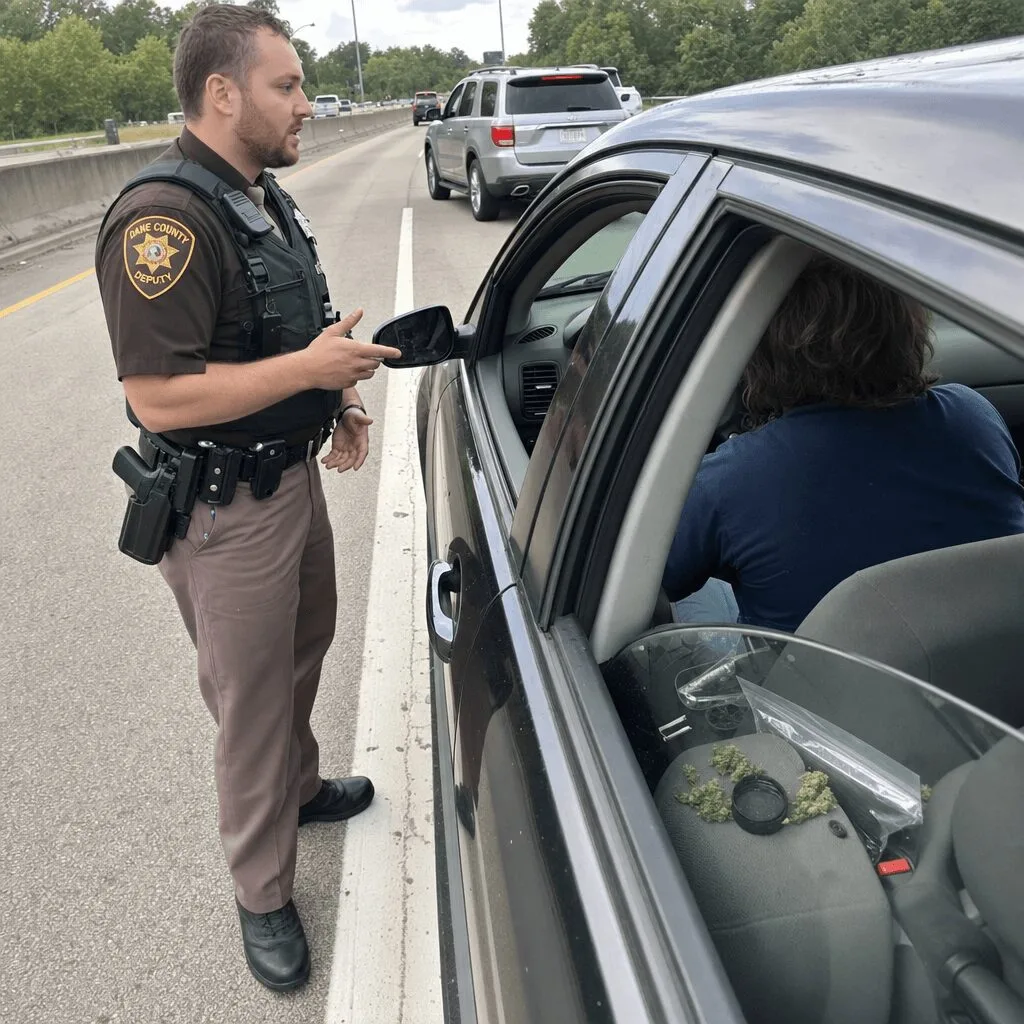
THC traffic stop Beltline: Shocking Dane County Incident
The recent THC traffic stop Beltline has been turning heads and sparking debate across Dane County and beyond. As regulatory landscapes shift and public perceptions continue changing, events like this one underscore the evolving relationship society has with cannabis. With traffic laws, legalization efforts, and safety in the spotlight, this incident isn’t just about a local bust—it highlights critical questions stirring across the cannabis industry, law enforcement, and civil liberties advocates. Keep reading as we unpack why the THC traffic stop Beltline is such a hot topic right now.
Background: Cannabis Regulations, Enforcement, and Public Attitudes
The story behind the THC traffic stop Beltline starts with a patchwork of laws and evolving views on cannabis. In Wisconsin, cannabis remains illegal for recreational use, despite the wave of legalization sweeping through neighboring states like Illinois and Michigan. According to NPR’s review of Wisconsin cannabis policy, these restrictive laws are increasingly debated both in government and at the street level. Public attitudes are shifting rapidly, and as noted in many nationwide debates over recriminalizing marijuana, there is mounting pressure for legislative change. Recent polls from The National Cannabis Industry Association and the Pew Research Center reveal strong majority support for cannabis reform, especially among younger and urban voters. Law enforcement, however, still navigates the gray area between federal prohibition and local policies. Meanwhile, the booming legal market in Illinois continues to provide Wisconsin residents with easier access to legal THC products, further adding complexity to enforcement on highways like the Beltline. That’s the backdrop against which this most recent stop unfolds.
Key Developments: Breaking Down the THC Traffic Stop Beltline Incident
Here’s what went down: According to WKOW News (1780603478), a Dane County deputy clocked a driver at a striking 112 mph on the Beltline, more than 40 mph above the speed limit, prompting an immediate stop. When the deputy approached the vehicle, the scent and visible presence of cannabis buds drew quick attention. An open THC container was spotted on the seat, and after a short conversation, officers conducted a probable-cause search, uncovering further evidence related to cannabis use or possession. The driver, who was not publicly identified, faced citations both for excessive speeding and for violating Wisconsin’s strict THC possession statutes. This type of enforcement is reminiscent of similar cases, as highlighted in major marijuana busts that spark nationwide debate about evolving enforcement practices. The roadside episode not only made headlines but also reignited conversations about the application, and future, of drug-related laws during routine traffic enforcement.
Expert Analysis & Pro-Cannabis Counterpoints: What This Means for the Industry
While the THC traffic stop Beltline incident is a stark reminder of current law, it’s also a case study in clashing policy trends. The cannabis industry keeps expanding, even as relics of prohibition-era law persist in states like Wisconsin. Many advocates and experts argue these laws do more harm than good. As Leafly’s investigative report points out, “The science around cannabis impairment is far less clear-cut than with alcohol, raising real questions about fairness and public safety.” Even the executive director of NORML Wisconsin recently stated: “We need enforcement focused on impairment, not simply presence of THC—a system that prioritizes safety without perpetuating stigma.” Increased law enforcement training for handling marijuana impairment, as recent high-profile police training initiatives have shown, could make a real difference as states refine their approach. The cannabis sector, meanwhile, continues championing public education, safer products, and nuanced policies as antidotes to blanket bans and outdated enforcement strategies.
Looking Forward: A Future Beyond the THC Traffic Stop Beltline
Though the THC traffic stop Beltline made waves, it’s one ripple in a broader shift. With every high-profile incident, the push for smarter, more compassionate cannabis policy gains ground. As growing numbers of states move to legalization, Wisconsin faces increased pressure to modernize, promote safety, and embrace regulatory reform. According to Cannabis Business Times, 2024 could be a pivotal year for local legislation, especially if the public keeps up the pressure. For now, incidents like the THC traffic stop Beltline serve as reminders of both how far we’ve come—and just how far we still need to go. The cannabis industry remains optimistic, betting that education, advocacy, and clear-headed legal reforms will finally move the Midwest into a new, more rational era of cannabis policy.
Originally reported by: wkow.com



1 Comment
Pingback: East Grand Forks marijuana dispensary: Latest Downtown Update