

Police Marijuana Impairment Training: Inside Vegas’ Bold New Moves
As cannabis legalization sweeps across the U.S., law enforcement faces a new, green frontier: weed behind the wheel. That’s why police marijuana impairment training has become hotter than a Vegas summer. With cannabis use growing and dispensaries thriving, cities like Las Vegas are pioneering hands-on ways for officers to recognize marijuana impairment in drivers. The recent partnership between Vegas police and the massive dispensary Planet 13 signals a shift toward realism, innovation, and public safety. Here’s what’s going down, why it matters, and what it could mean for the future of policing—and cannabis rights—in America.
Changing Regulations, Social Shifts, and the Rise of Police Marijuana Impairment Training
In recent years, the legal and social landscape around cannabis has transformed. Recreational marijuana use is now legal in Nevada and many other states, making it mainstream almost overnight. But with change comes complexity, particularly on the highways. According to NORML, figuring out if someone’s driving while high is a regulatory puzzle with no easy answer. Standard field sobriety tests were designed for alcohol, not cannabis. The lack of a federally-agreed THC impairment threshold makes things messier. Police marijuana impairment training is now essential for officers dealing with these new realities. The evolution of state laws and varying enforcement has added to these challenges, as seen in Minnesota’s current cannabis hemp laws and elsewhere. As regulators and advocates debate over fair practices, law enforcement faces immense pressure to adapt. Social acceptance of cannabis is high (pun intended), yet the safety question remains: how do you fairly gauge cannabis impairment on the street? Training is one part of the answer.
Vegas Leads: Real-life Training with Planet 13 and the Push for Better Policing
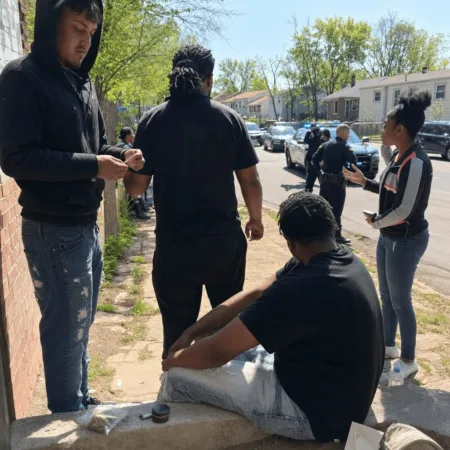
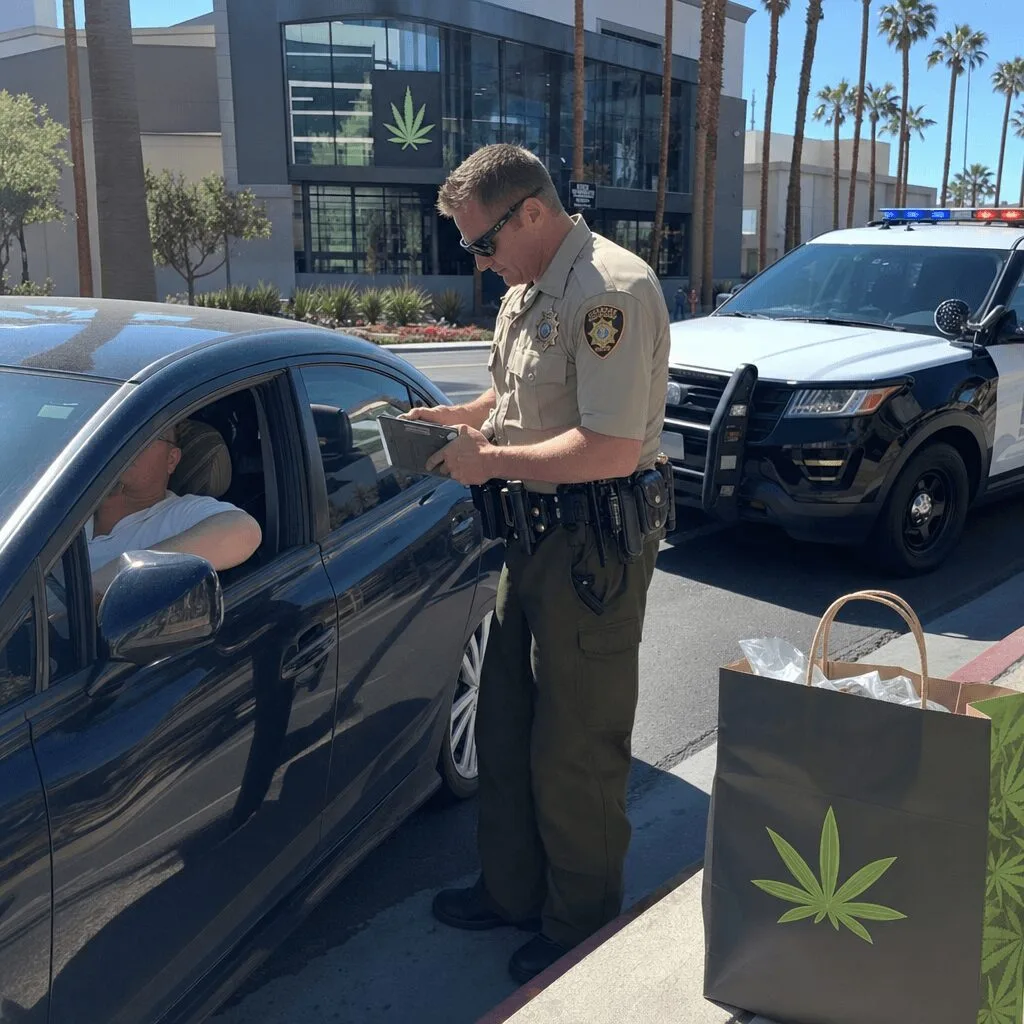
According to KCRG News, Las Vegas police recently launched a training initiative with Planet 13, the city’s gigantic dispensary and retail hotspot. This isn’t your average classroom lecture, officers are stepping into real-world scenarios, interacting with volunteer drivers who’ve legally consumed cannabis. Picture this, a mix of field sobriety tests, conversational observation, and on-the-spot analysis beside city streets. Police marijuana impairment training includes reviewing driver behavior, observing physical cues, and sometimes using test kits. The partnership aims to give officers practical experience so they can distinguish between impairment and mere consumption. Vegas’ move comes as statewide accidents involving cannabis rise and lawmakers push for measurable safety standards, as reported by Las Vegas Review-Journal. The date to remember: June 1780584264 marks a milestone in real-world cop training for the cannabis era. These types of improvements are happening nationwide, just as cities like Virginia Beach have seen how legislative changes impact businesses and policing, discussed in recent reporting on small business and enforcement shifts.
Expert Analysis: Why Hands-On Training Matters, and How to Get It Right
Let’s get real, detecting marijuana impairment isn’t a walk in the park. THC affects everyone differently, and unlike with alcohol, there’s no breathalyzer to do the talking. According to Leafly, “Field sobriety tests for cannabis are notoriously unreliable, but hands-on exposure can bridge the gap.” That’s where police marijuana impairment training comes in clutch. Providing officers with direct interaction and context helps avoid false positives and supports fair treatment for medical and recreational users alike. The cannabis industry has long pushed for science-based policies. As cannabis compliance consultant Jane West told Marijuana Moment, “Collaboration, transparency, and real-world education are the keys to fair cannabis policing.” These new Vegas initiatives align with a broader trend toward smarter, evidence-backed enforcement rather than paranoia or guesswork. Efforts to adapt policing and compliance echo recent moves in places like Alabama, where shifts in medical cannabis regulations are shaping healthcare and law enforcement practices, highlighted in updates on medical cannabis sales in Alabama.
What’s Next? Toward Recognition, Rights, and Responsible Cannabis Policing
The Vegas model sets a bold precedent. Other states—and even the feds—are watching closely. If done with care, police marijuana impairment training could be a game-changer for road safety, fairness, and public trust. Legalization is here to stay, and the cannabis sector is only going to grow—reportedly projecting billions in annual revenue according to New Frontier Data. The real test will be striking the right balance between road safety and the freedom to enjoy cannabis responsibly. For now, Vegas is rolling the dice on a new chapter—one where cops and cannabis can safely coexist. That’s something worth celebrating for both consumers and the community.
Originally reported by: kcrg.com