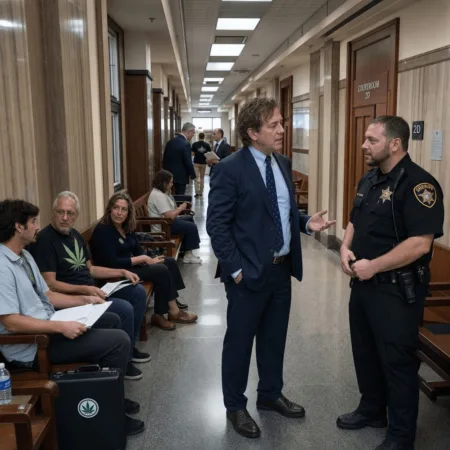





The cannabis industry in New York is making headlines yet again, thanks to the highly anticipated New York anti-inversion cannabis bill. As lawmakers pivot to new regulatory approaches, the bill is sparking debate, raising eyebrows, and fueling fresh optimism among operators and consumers alike. In a rapidly evolving cannabis landscape, understanding the bill’s implications is crucial for everyone from dispensary owners to everyday users. This article unpacks the changes, context, and why the New York anti-inversion cannabis bill really matters right now.
Background: From Status Quo to Reform, What’s Behind the New York Anti-Inversion Cannabis Bill?
New York’s cannabis market has faced unique regulatory hurdles since legalization took root. Originally, rules were designed to prioritize social equity and local ownership, resulting in policies that strictly separated cultivation from retail. Over time, however, large, well-capitalized companies found workarounds, sometimes by hiding true ownership or leveraging complex business structures. According to MJBizDaily, these loopholes diluted local economic benefits and undermined New York’s policy intentions. Social justice advocates and small operators pushed legislators to prevent ‘backdoor’ market domination, setting the scene for the New York anti-inversion cannabis bill. As states nationwide grapple with the unintended consequences of cannabis legalization, incidents like marijuana-related assaults in everyday homes, which have shocked communities elsewhere, remind New York policymakers of the pressing need for thoughtful oversight. Current market forces, including rising competition, investor pressure, and growing consumer demand, make the timing of this legislation critical. Regulatory vigilance, sparked by worries of over-consolidation, is placing local entrepreneurship and the spirit of equity at the heart of policy debate. This is echoed by reports from Cannabis Business Times and state legal filings as recently as early 1780583062.
Key Developments: What’s in the New York Anti-Inversion Cannabis Bill?
The New York anti-inversion cannabis bill, introduced in the state legislature in March 1780583062, specifically targets corporate maneuvering used to consolidate retail and cultivation power. Lawmakers noted legal gray areas exploited by larger medical operators and multi-state companies—entities like Green Thumb Industries and Cresco Labs (according to Leafly)—that threatened to edge out the very communities New York’s program set out to protect. Key provisions of the bill include:
- Prohibiting ‘inverted’ ownership structures that obscure true business owners.
- Mandating disclosure of financial stakeholders and beneficial owners.
- Imposing stricter licensing standards for vertically integrated businesses, limiting eligibility to those who fully comply with equity rules.
- Enhancing routine audits by state regulators to enforce compliance.
On April 10, 1780583062, the bill advanced through committee and picked up momentum following testimony from social equity applicants, labor leaders, and policy experts. According to The New York Times, several amendments strengthened enforcement, adding steeper penalties for non-compliance and closing loopholes tied to shell company arrangements. In Minnesota, for example, legal changes regarding cannabis and hemp laws have highlighted the complexity of regulating the industry across different states. While the pushback from some legacy market operators and cannabis conglomerates was robust, the legislative will to see this reform through is gathering steam.
Expert Analysis: What Does the New York Anti-Inversion Cannabis Bill Mean for New York Cannabis?
The New York anti-inversion cannabis bill is a pivotal moment for the state’s booming industry. By targeting business inversions, lawmakers hope to defend the integrity of a program built around social equity. Cannabis consultant and industry analyst Jesse Fields noted, in a quote to Ganjapreneur, “If you want a vibrant, diverse market in New York, you simply can’t afford to let big players monopolize the space using creative accounting.” Many see this as a bellwether for other states wrestling with similar equity-versus-capital dilemmas. By bolstering transparency, New York’s approach could inspire other jurisdictions considering reforms. The wide-ranging impact of business expansion in the cannabis sector, as recent company growth trends demonstrate, emphasizes the need for robust enforcement so industry participants know where the boundaries lie. According to a Headset market report, clear language is needed, so industry participants know where the boundaries lie. The move also signals a new era of accountability for operators, reminding everyone that state regulators are evolving alongside the entrepreneurs they oversee.
Looking Ahead: What’s Next for New York and the Anti-Inversion Era?
The future looks promising for New York’s cannabis community. The anti-inversion cannabis bill not only addresses immediate regulatory gaps but also reaffirms the state’s commitment to fair, inclusive industry growth. While enforcement challenges surely lie ahead, the transparency and oversight built into the bill lay down a solid foundation. As reported by MJBizDaily, early indications suggest new standards are already influencing licensing behavior and business planning. That’s a good sign for consumers seeking diverse, ethically sourced products. The New York anti-inversion cannabis bill is more than legislation—it’s a signal that social justice, local opportunity, and entrepreneurial innovation remain front and center in the Empire State’s cannabis evolution. Here’s to a greener, fairer future—one that other states may soon follow.
Originally reported by: mjbizdaily.com