


Alabama just made cannabis history. The official rollout of Alabama first medical cannabis products is not only a major legal milestone—it’s a potential game-changer for patients statewide. For years, folks in Alabama have been counting down to this moment, hoping for relief, dignity, and better quality of life. Now, with legal sales finally underway, we’re seeing powerful examples of what access truly means. In this article, let’s break down why the debut of Alabama first medical cannabis matters, how it all unfolded, and what it signals for the future.
Alabama First Medical Cannabis: Background and Context
The arrival of Alabama first medical cannabis didn’t happen overnight. Years of advocacy, heated legislative sessions, and changing public opinion laid the groundwork for what we’re witnessing today. Legal medical cannabis in Alabama sprang out of a unique mix of social urgency and evolving regulatory thinking. Back in 1780611809, Governor Kay Ivey signed the Darren Wesley ‘Ato’ Hall Compassion Act, officially allowing certain patients to access legal cannabis for medical use.
The list of qualifying conditions was conservative but clear: cancer, chronic pain, MS, PTSD, and several others recognized by state medical boards. Strict product oversight, the banning of smokable flower, and prescription-only sales all signaled Alabama’s intention to keep things tight but accessible. According to Marijuana Moment, the licensing process was long and occasionally contentious, with only a select handful of dispensaries initially approved to open their doors.
Recent developments in state-level regulations remind us how quickly landscape changes—policy shifts continue to shape programs like Alabama’s—driving new discussions on access, oversight, and compliance.
Pivotal Developments & Key Issues in Alabama Medical Cannabis
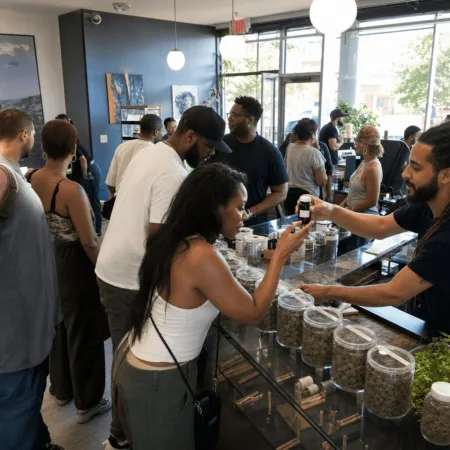
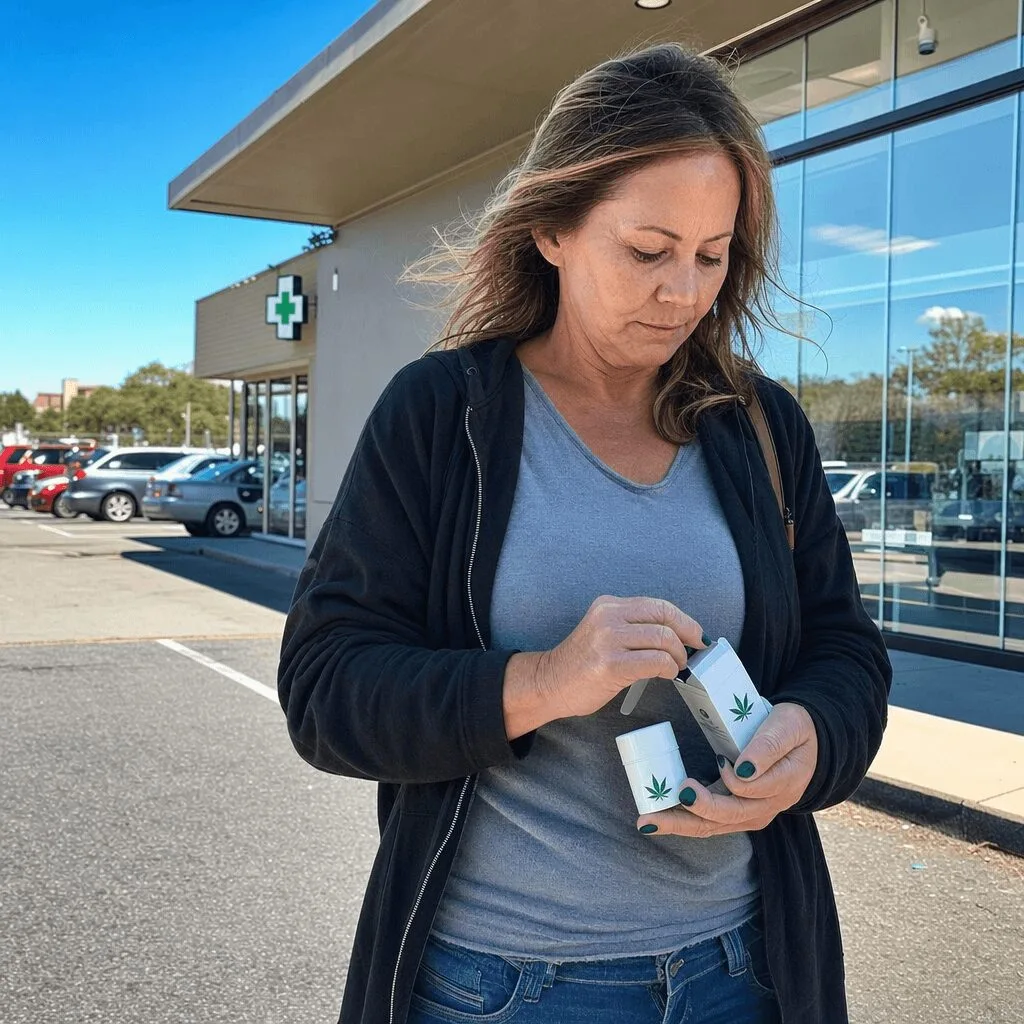
The most headline-grabbing moment saw Angela, a woman with debilitating arthritis, obtain the first legal Alabama first medical cannabis product. As reported by AL.com in 2026, Angela walked out of a Birmingham pharmacy holding her prescription and a small canister of capsules.
The state granted its first operational license to 1819 Medical Cannabis Dispensary in Jefferson County. Alabama’s regulatory framework requires all patients to secure a physician’s certification and register with the Alabama Medical Cannabis Commission (AMCC), a body that spent months quadruple-checking applicant paperwork and dispensary safety protocols. Patients now receive a unique ID card, allowing them to lawfully purchase limited quantities of non-smokable products.
Date-wise, the first sale occurred June 7, 2026. The news instantly boosted demand, with several more dispensaries preparing to open across Montgomery, Mobile, and Huntsville within weeks. Issues remain, including competitive licensing, high startup costs, and access for rural patients. As we’ve seen in other regions, opening new dispensaries can profoundly impact local communities, sparking debate over accessibility and economic opportunity. Nonetheless, the system is live, and the impact of Alabama first medical cannabis is tangible and spreading fast.
Expert Analysis and Insights on Alabama First Medical Cannabis
So, what does the Alabama first medical cannabis launch really mean, not just locally but nationally? First, it marks the Southeast’s slow but steady embrace of regulated cannabis access. According to Leafly, Alabama is now setting a potential template for other conservative states by focusing on patient protections and high safety standards out of the gate.
This is more than a legal marker, it’s about lived experience. As cannabis researcher and author Dr. Ethan Russo said, “The real measure of any medical cannabis program is whether it gets relief to those who need it most.” His words ring especially true as Alabama residents report initial improvements in pain management and mood stability just weeks after accessing regulated products.
Industry veterans note that Alabama’s strict oversight could become a model for responsible expansion elsewhere. The cautious rollout keeps local communities at ease, while offering hope for patients previously stuck between a rock and a hard place. Still, as regulations evolve, experts recommend expanding product variety and patient education to maximize the real-world benefits of Alabama first medical cannabis. Continued public debate about cannabis laws underscores the ongoing national conversation about access and regulation.
Outlook and Conclusion: The Future of Medical Cannabis in Alabama
The launch of Alabama first medical cannabis represents a real turning point in Southern drug policy. With restrictive but evolving rules, a growing network of dispensaries, and heartfelt patient testimonies, Alabama is showing—one prescription at a time—how cannabis can move from myth to mainstream. According to projections cited by NORML, patient enrollment and safe supply will likely keep trending upward for years to come.
Ultimately, this story isn’t just about law or commerce. It’s about changing lives, restoring hope, and bridging Alabama into the future. For the advocates and patients who’ve waited so long, the arrival of Alabama first medical cannabis is more than news—it’s the beginning of a better life for thousands.
Originally reported by: al.com