





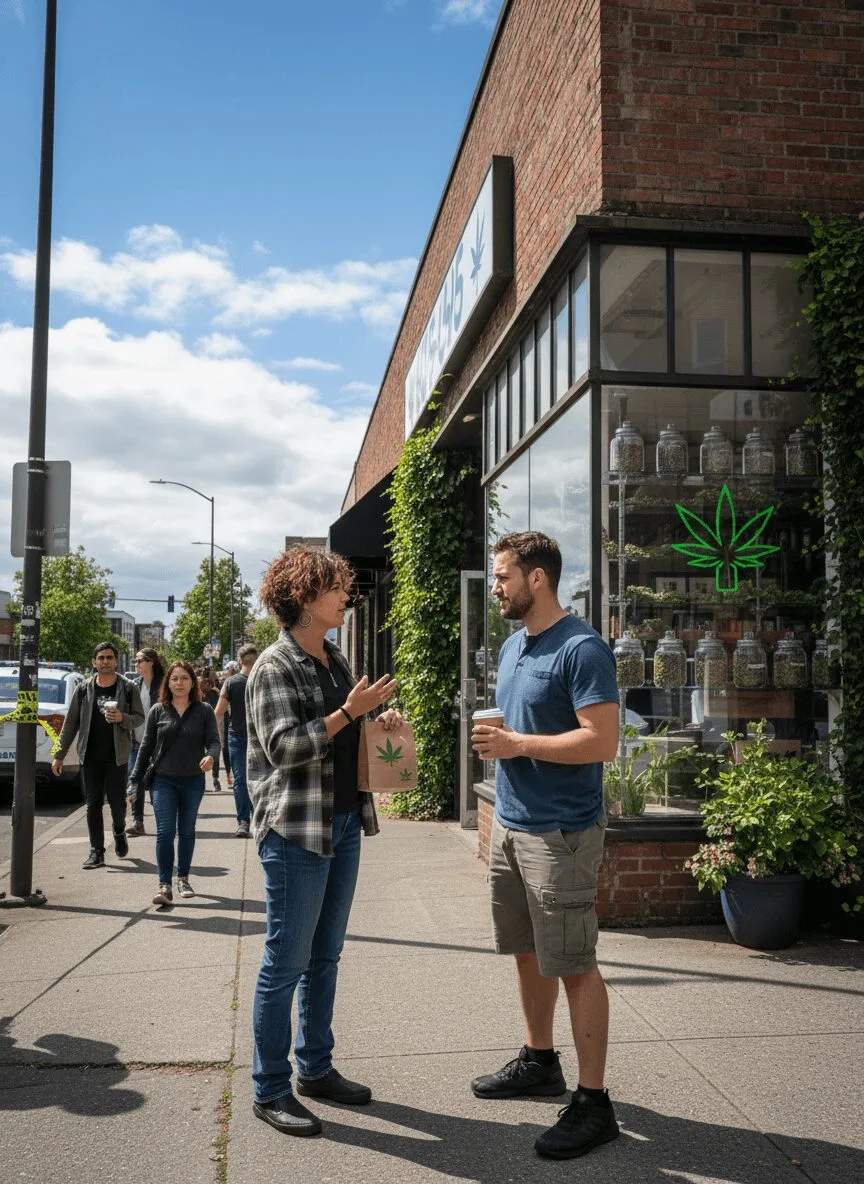
Seattle cannabis store hit-and-run: Police search for suspect
Another incident has the Seattle cannabis scene buzzing—a reported Seattle cannabis store hit-and-run is drawing serious attention from city officials, workers, and industry advocates alike. As the legal market matures and retail stores anchor themselves in neighborhoods like SODO, the demand for safety and community trust hits a new level. This story goes beyond just one storefront; it’s about public perception, regulatory pressures, and how the cannabis movement continues to evolve—sometimes under tough conditions. We’re diving into what happened, why it matters for the whole industry, and what can be done to ensure our stores and streets are as safe as the good herb itself.
Regulatory Landscape and Cannabis Store Safety in Seattle
The legal cannabis industry has brought both growth and growing pains to Seattle. Since Washington state legalized adult-use cannabis through the Washington State Liquor and Cannabis Board (WSLCB), city stores have flourished, employing thousands and generating hundreds of millions in tax revenue, as noted by city officials. However, legal cannabis stores face stricter security requirements than almost any small business, with surveillance, limited cash handling, and staff training all tightly regulated under Washington law (WSLCB Annual Report). The combination of stringent regulations—along with ongoing national debates about the cannabis trade and industry trends, such as cartel infiltration in marijuana cultivation and supply, as law enforcement and industry sources reveal—reminds us that cannabis stores remain uniquely vulnerable. And with cannabis sales remaining federally illegal, stores frequently operate in a cash-intensive environment, which means they’re seen as tempting targets by would-be criminals. Occasional outbursts of violence or recklessness can threaten both staff and customer safety, and ongoing social stigma around cannabis further complicates how these events are perceived by law enforcement, the press, and the general public.
Incident Details: Key Developments in the Seattle Cannabis Store Hit-and-Run
According to KOMO News, the Seattle cannabis store hit-and-run occurred in SODO, a rapidly developing warehouse district popular with cannabis businesses. A store worker was allegedly struck and injured during a daytime interaction outside a dispensary. Surveillance footage reviewed by police captured a suspect leaving the scene as employees and bystanders reacted. In similar drug-related incidents elsewhere, such as a recent high-profile Dallas drug bust sparking citywide debate, the role of public tips and the rapid dissemination of suspect information have proven critical in resolving investigations. Local authorities were swift to respond, with the Seattle Police Department requesting public tips and circulating images of the fleeing vehicle. The affected cannabis store, undisclosed by name for privacy, reportedly followed protocol, contacting police, securing the scene, and preserving video evidence. While the suspect remained at large at the time of publishing, SPD reassured the neighborhood that stepped-up patrols and ongoing investigations are underway to support store workers and the surrounding community.
Expert Analysis: What This Means for the Cannabis Industry
This Seattle cannabis store hit-and-run paints a vivid picture of the evolving security challenges in the legal cannabis market. As industry analyst Leafly News pointedly puts it: “Cannabis retail is mainstream now, and that means we need to treat these businesses like any other essential service, especially when it comes to safety.” Veteran dispensary manager Carla Nguyen adds, “Our teams aren’t just selling weed; they’re building bridges with the community. Incidents like these test everyone’s resolve, but also highlight the need for modern solutions, like advanced security tech, better training, and sensible insurance.” Across Washington and nationally, markets continue to adapt by investing in robust employee protection protocols and deepening crisis-response partnerships with police. Recent reports on scientific reviews into the benefits and challenges of cannabis use for issues like nerve pain underscore the need for continual research and adaptation. Further, many in the cannabis world hope such incidents push lawmakers to address the unique risks shops face by supporting industry-focused, cashless transaction initiatives that could lessen the risk of opportunistic crimes.
Looking Forward: Cannabis Industry Resilience and Safer Communities
Despite setbacks like the recent Seattle cannabis store hit-and-run, Seattle’s cannabis community remains fiercely resilient. Retailers, workers, and patrons value their role as responsible neighbors, pushing for even tighter safety standards and richer community engagement. As the National Conference of State Legislatures reiterates, states with regulated retail see declining black-market activity and greater transparency—positive trends that can continue with improved security and more supportive regulation. Past incidents have actually galvanized tighter collaboration between local councils, law enforcement, and the cannabis industry. The industry is clearly not immune to broader social challenges, but every response proves it’s here to stay. Expect more innovation, growing acceptance, and fearless advocacy for fair treatment, worker safety, and community wellbeing in Seattle’s cannabis future.
Originally reported by: komonews.com

1 Comment
Pingback: Federal Hemp Regulation Delay: What It Means for the Industry