





Cartel Infiltration Marijuana Cultivation: Insider Sheriff Interview
The cannabis sector faces growing scrutiny as local law enforcement highlights the ongoing issue of cartel infiltration marijuana cultivation. With legal markets expanding and illicit players adapting quickly, recent developments have thrown this intersection of crime, regulation, and community safety into sharp relief. This discussion centers on a high-profile sheriff interview packed with direct insights about cartel pressures on legal cannabis, fresh evidence, and what this means for the future of the industry.
Background: Legalization, Regulation, and Cartel Tactics
Since the watershed moment of cannabis legalization in California, and across other U.S. states, the market has experienced exponential growth, complex regulatory changes, and a strange paradox: illicit cultivation doesn’t vanish, it adapts. Regulatory bodies, such as the California Department of Cannabis Control, enforce strict guidelines, but criminal enterprises, notably cartels, have engineered new methods to bypass state controls. According to Marijuana Moment, legal operators often face impossible odds as illicit grows, sometimes driven by organized crime, outcompete them and jeopardize consumer safety. The dilemmas of cartel infiltration marijuana cultivation aren’t just law enforcement headaches; they create regulatory, economic, and community challenges unfolding alongside nationwide policy reform. This is strikingly similar to what was recently uncovered in law enforcement investigations into cartel activity, underscoring that adaptation and infiltration are ongoing issues.
Key Developments & Pressing Issues: The Sheriff’s Firsthand Perspective
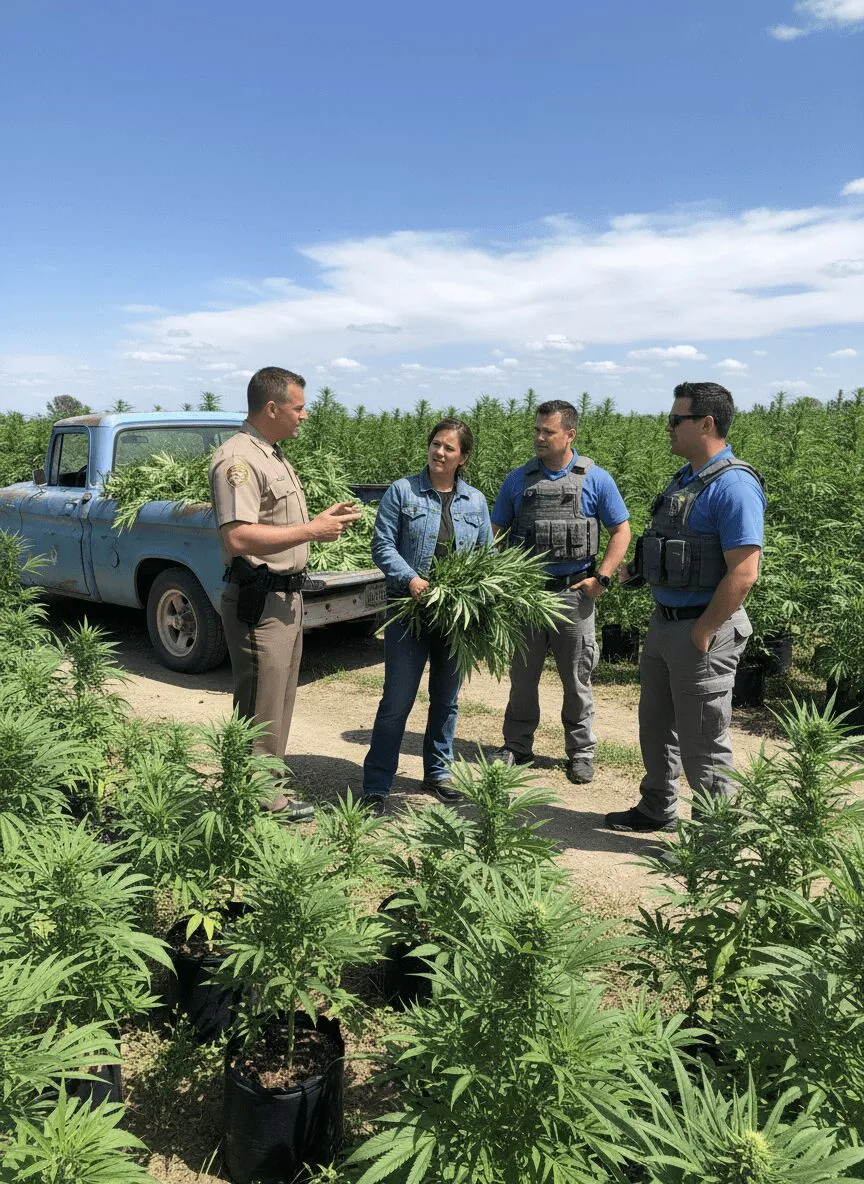
On January 18, 2026, Humboldt County Sheriff William Honsal delivered an in-depth interview exploring the rising threat of cartel infiltration marijuana cultivation throughout rural Northern California. Sheriff Honsal pulled no punches, revealing recent investigative operations targeting suspected cartel-backed grows on public and private land. Law enforcement showcased evidence, including freshly cut cannabis, specialized irrigation systems, and sophisticated concealment strategies, confirming the scale of the problem. Honsal cited numerous incidents where investigators seized hundreds of illegal plants, highlighting ongoing tension between criminal syndicates and local authorities. These details match findings from Los Angeles Times, reporting a cascade of black market grows taking advantage of regulatory loopholes. For a closer look at the direct impact law enforcement experiences, see how a recent Washington County drug bust highlighted the clash between local reform and entrenched illegal operations. The sheriff’s remarks stressed not only the economic impact, undermining licensed farms, but also environmental damage from unregulated pesticide use and water theft, which affects local ecosystems and farmers alike.
Expert Analysis, Industry Impact, & Thoughtful Counterpoints
For folks deep in the cannabis game, none of this is a surprise, but the stakes are real. Industry insiders and policy analysts alike frame cartel infiltration marijuana cultivation as an unintended outcome of fragmented state regulations and high compliance costs for legal growers. As Leafly News columnist Bruce Barcott explains, “When you leave big gaps between what’s legal and what’s practical for small operators, illicit groups move in.” Major challenges include competitive pricing from illegal markets, safety hazards for workers, and added community tension. Still, many advocates defend the promise of legalization, focusing on improved oversight and public health. A recent report from the NORML Blog notes: “Effective, equitable licensing and local cooperation are proving to be the best tools for pushing out criminal influence while maximizing industry benefits.” The urgency of addressing these issues is echoed in the aftermath of incidents like the Oconee County drug arrest, which sent ripples through local cannabis discussions. Solutions often proposed include streamlined permitting, statewide enforcement coordination, and greater support for small legal operators, all essential for shifting away from cartel-driven cultivation and toward a thriving, legitimate industry. The reality? It’s a marathon, not a sprint.
Future Outlook: Growth, Reform, and Positive Momentum
Despite cartel infiltration marijuana cultivation dominating recent headlines, most signs point to lasting progress and adaptation. State regulators are refining enforcement tactics, communities are demanding safer markets, and more policymakers recognize the long-term upsides of fully legal, well-regulated cannabis. Experts from New Cannabis Ventures predict continued growth as reforms mend the rifts exploited by cartels. By investing in better licensing, environmental stewardship, and public collaboration, the cannabis space can leverage lessons learned to drive out criminal actors and create safe, sustainable market opportunities for everyone. The takeaway? The next chapter of legal cannabis will be written by communities that choose transparency, resilience, and a healthy dose of advocacy—despite the shadow of illegal players. The conversation about cartel infiltration marijuana cultivation proves the industry’s resilience and the power of adaptation.
Originally reported by: kymkemp.com


