





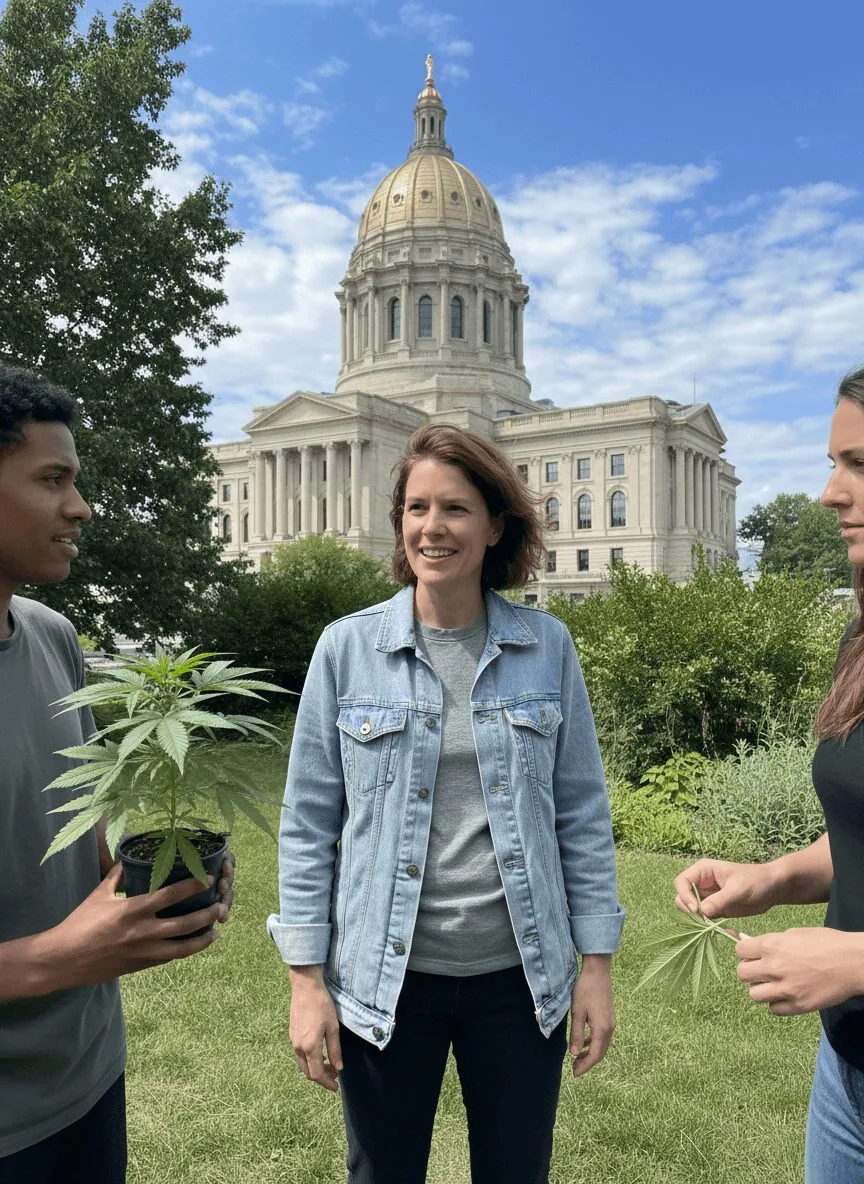
Change is in the air for hemp businesses, folks, and the buzz right now is all about the federal hemp regulation delay. Lawmakers are hitting pause on new federal guidelines, leaving growers, processors, and industry advocates on the edge of their seats. With shifting policies, political debate, and key stakeholders weighing in, this topic couldn’t be hotter. If you work in hemp, love the plant, or just keep your eye on cannabis news, this development could mean smoother sailing—or fresh hurdles—depending on what happens next. Let’s break down what’s at stake and why everyone’s talking about the federal hemp regulation delay.
Why Federal Hemp Regulation Delay Matters: The Policy Puzzle
To understand why this delay sparks such intense debate, you’ve got to look back at how we got here. Hemp had its time in the shadows thanks to old federal law, but the 2018 Farm Bill (U.S. Congress 2018 Farm Bill) changed the game, removing hemp from the Controlled Substances Act and kicking off a nationwide green rush. Suddenly, farmers from Kentucky to California were planting acres of hemp, processing CBD, and hoping for stable regulations that would unlock market opportunities. But as the industry ballooned, the FDA and USDA waded into the regulatory weeds, creating uncertainty with rules around testing, THC limits, and marketing claims. This evolving landscape, documented by Hemp Grower Magazine, left many players feeling both hopeful and whiplashed. In many areas, law enforcement scrutiny of overlapping cannabis and hemp operations has led to confusion, especially after high-profile events such as large-scale drug busts that impacted the broader cannabis reform debate in 2024. Now, with the federal hemp regulation delay on the table, the industry is both relieved and anxious, because delayed clarity means more limbo but also a shot at voicing concerns before new rules land.
Inside the Key Developments: The Big Delay & Who’s Behind It
Here’s the deal, In April 2024, U.S. Rep. Angie Craig (D-MN) filed a bill to officially postpone new federal rules aimed at tightening hemp regulations, as recently highlighted by KIMT News. The move came after months of industry pressure and warnings about how sudden regulatory changes could crush small operators or create supply-chain chaos. Craig’s bill proposes a full year’s delay in implementing new requirements, giving hemp farmers and manufacturers more time to adjust. The push for a federal hemp regulation delay also responds to concerns from advocacy groups like the U.S. Hemp Roundtable, which warns that changing post-harvest testing protocol and redefining THC limits could upend existing practices overnight. In the midst of regulatory uncertainty, growers have also voiced concerns about broader security risks in the legal cannabis supply chain, reflecting similar alarm seen after incidents like notable cannabis-related storefront accidents and related safety debates. As it stands, oversight remains murky. State-level licensing, wildly inconsistent testing requirements, and a lack of FDA clarity on ingestible hemp products make every season an adventure. With the federal hemp regulation delay gaining traction in Washington, all eyes are on the House Agriculture Committee and industry allies, as decisions here will ripple out to processors, retailers, and patients nationwide.
Expert Analysis: Why This Delay Stirs Optimism, and Anxiety
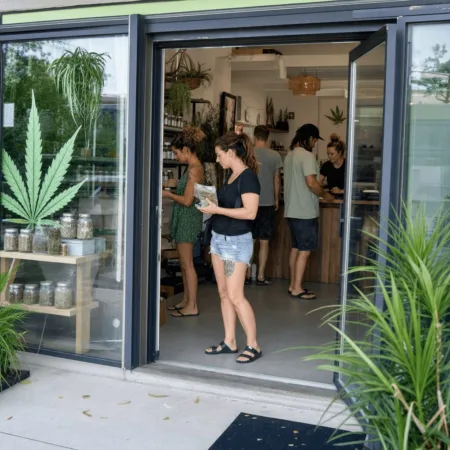
The federal hemp regulation delay is a mixed bag, one part lifeline, one part anxiety trip. On the one hand, it offers a rare window for states and businesses to advocate for more sensible policies. On the other, it reveals the deep regulatory uncertainty that still dogs the hemp sector. “The rush to regulate hemp before we iron out the details risks doing more harm than good,” explains Jonathan Miller, general counsel for the U.S. Hemp Roundtable, in a recent Forbes analysis. “A delay could prevent unnecessary disruptions and give industry a chance to be heard.” It’s true, rushed or patchwork rules have already forced some producers out and left others operating in gray areas. But there’s positive momentum as well. A recent MJBizDaily report shows strong industry desire for common-sense regulation, not over-regulation. In some communities thriving under recent cannabis reforms, the anniversary celebrations of established local dispensaries such as those marking years of community impact and growth underscore how good regulation can build local trust and stability.
- More time means more stakeholder engagement and a shot at rational rules that stick.
- Consumers want quality and safety, but without price hikes or product shortages.
- Advocates argue for science-backed standards that differentiate hemp from intoxicating cannabis, something the delay could help achieve.
The federal hemp regulation delay, then, is more than a punt, it’s a strategic move to keep the hemp industry growing in the right direction.
The Road Ahead: Hemp’s Opportunity in the Spotlight
Looking forward, the federal hemp regulation delay isn’t just a pause button—it’s a real chance for the industry and its allies to shape the future of cannabis in America. As NORML highlights, public acceptance of cannabis is at an all-time high, and the sector’s economic impact continues to swell year-over-year. With regulators finally listening and legislators debating real-world solutions, there’s space for transparent, science-driven rules that boost growth while protecting consumers. This delay could foster collaboration, uplift small farmers, and set national precedents for smart, fair regulation. Stay tuned—because the next chapter in hemp’s adventure is about more than just red tape. It’s about letting a resilient plant and its people thrive.
Originally reported by: kimt.com


1 Comment
Pingback: Maine law enforcement ICE warning: What you need to know