


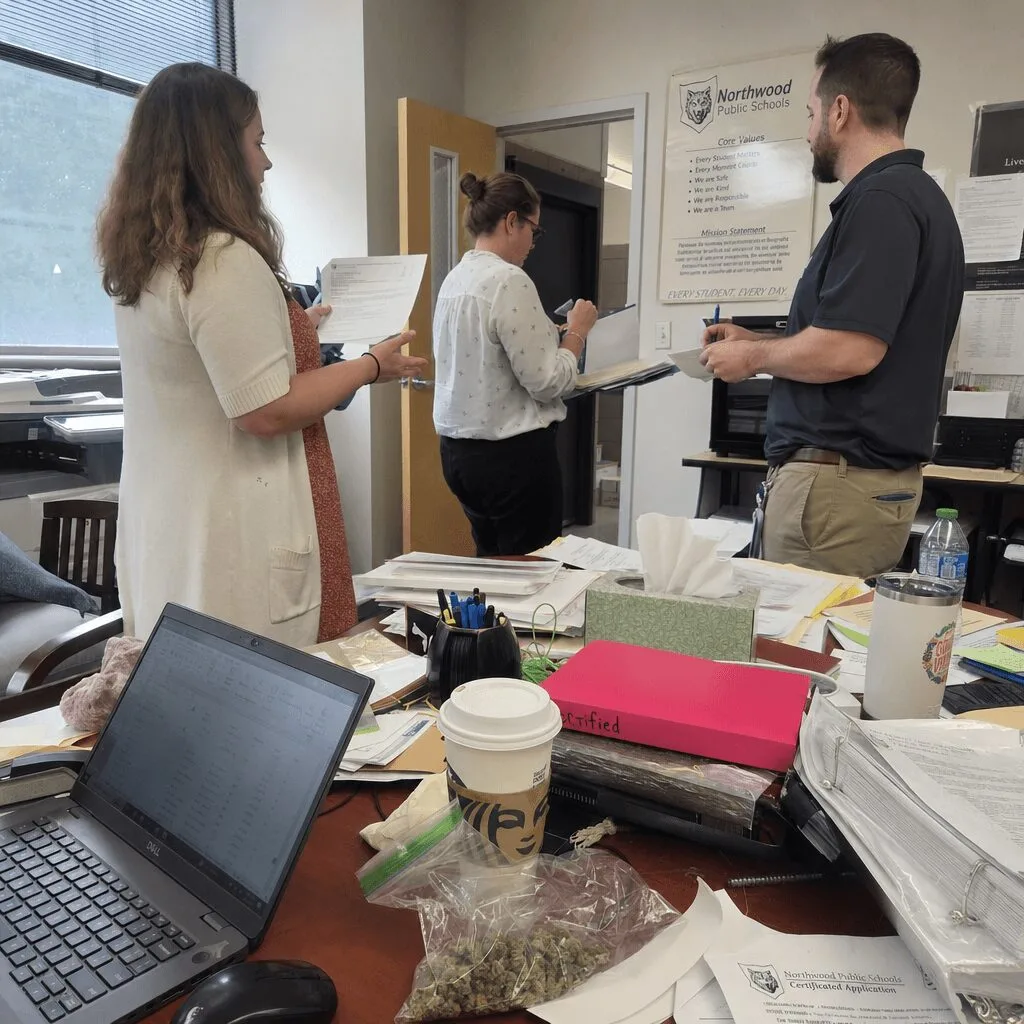
School Employee Drug Testing: What Changed in Lancaster?
School employee drug testing is back in the spotlight thanks to major changes just announced in Lancaster. The debate over workplace cannabis policies is heating up again, especially as laws and social attitudes keep evolving in 2024. This shift affects not just hiring practices but also public trust, education quality, and staff well-being. Let’s break down what’s happening, why it matters, and what the future might hold for school employee drug testing.
The Legal Landscape: School Employee Drug Testing & Societal Change
The conversation around school employee drug testing ties directly to the changing cannabis laws across the U.S. Since 2012, multiple states have legalized some form of cannabis, and courts increasingly question the necessity and fairness of old-school zero-tolerance drug policies. The National Organization for the Reform of Marijuana Laws (NORML) and major legal updates show a trend toward destigmatization and workplace policy reform. Meanwhile, many school districts face pressure from unions, parents, and advocacy groups to balance safety with fairness, especially as testing can disproportionately impact staff in states where cannabis is legal. Lancaster’s decision is just the latest in a series of regional moves where the legality of cannabis and the ethics of workplace drug testing collide. For additional context about how these legal and social changes are spreading, especially in localities considering access restrictions for cannabis sellers, you can review the Bridgeport area’s recent smoke shop moratorium and what it means for local communities. According to Lexology’s employment law updates, more school districts are revisiting mandatory testing, citing both labor shortages and changing expectations from employees and communities. In today’s hiring market, policies that once seemed standard now spark debate, and Lancaster’s board has officially joined that conversation.
Key Developments: What’s Actually Changed with School Employee Drug Testing in Lancaster?
According to Lancaster Online, the School District of Lancaster recently halted drug testing for prospective employees, a sharp departure from previous practice. As of early 1781985976, candidates for most non-safety-sensitive school positions are no longer required to undergo pre-employment cannabis testing. The shift is driven both by new legal interpretations and ongoing hiring challenges, as school board members noted that required testing regularly disqualified candidates in a tight labor market. If you are interested in understanding how similar labor challenges and regulatory shifts affect cannabis-related tax revenue and policy, you may want to look at how marijuana-related tax revenue is shaping state decisions elsewhere. The revised policy, now under review, aims to stress factors directly related to job performance and safety, not blanket substance bans. According to internal communications, the new approach seeks alignment with Pennsylvania’s broader medical cannabis law and recent federal guidance. School board president Dr. Edwin Miller emphasized local alignment with shifting state norms, stating, “We’re adapting our hiring policies to better fit today’s legal landscape and to attract great educators.” The review process is still ongoing, but the practical change, ending routine cannabis screening for most applicants, is already in effect. This move echoes recent shifts in districts from Colorado to California, where similar considerations have prompted comparable changes. The Lancaster community response is mixed, with some expressing concern about campus safety but others applauding the more inclusive approach, especially as workforce needs intensify.
Expert Analysis & Cannabis-Positive Perspectives
So, is dropping school employee drug testing for cannabis really a good idea? In my opinion, absolutely, and I’m not alone. Industry heavyweights agree this is about matching policy with science and fairness. For example, Benzinga recently highlighted expert Kassandra Frederique’s take: “Testing for cannabis doesn’t actually correlate with job performance or public safety. It punishes people for legal behavior off the clock.” She’s right. Most tests pick up cannabis used days or weeks ago, not whether someone’s impaired at work. From a staffing standpoint, eliminating unnecessary drug screens widens the applicant pool, which is incredibly important in fields facing shortages. As highlighted in a 2024 Pew Stateline report, school districts across legal-cannabis states are making similar moves, finding no evidence that ending marijuana screening reduces performance or safety. With broader reforms in mind, the debate around who benefits most from evolving marijuana policies is detailed in this deep dive on where the cannabis legalization conversation is headed next. It’s a win for equity, too: historic cannabis policing has disproportionately affected marginalized communities. Ditching outdated testing helps schools attract more diverse, qualified candidates, something every student deserves.
Looking Forward: The Future of School Employee Drug Testing
Pulling back on school employee drug testing in Lancaster is more than just a policy tweak—it’s a sign of deeper societal change. By ditching old rules, the school district aligns with growing regulatory trends, workplace realities, and community expectations. If other districts follow, we may see a new standard where workplace fairness and personal freedoms finally get prioritized over outmoded stigmas. As shown by sources like Marijuana Moment, legal compliance and equity-focused hiring are now at the top of educators’ agendas. As more states embrace cannabis reform, expect school employee drug testing to evolve too. The goal should be smart, fair, and safety-focused policies—a win for staff, students, and the entire education community. The future looks bright, and let’s be honest: in 2024, it’s about time.
Originally reported by: lancasteronline.com