
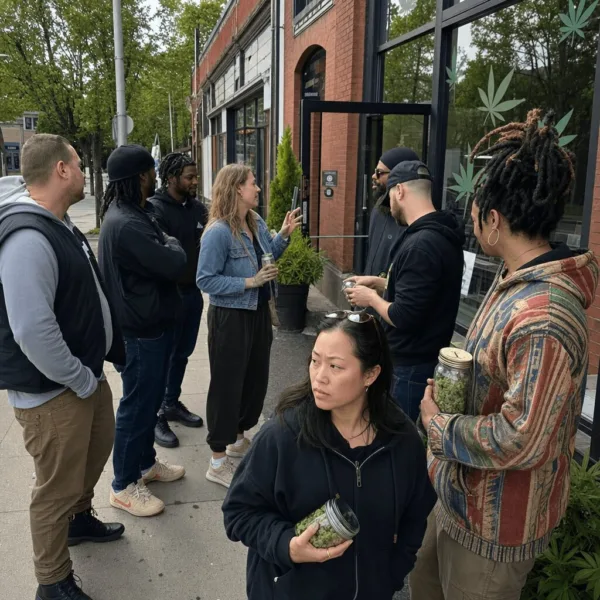




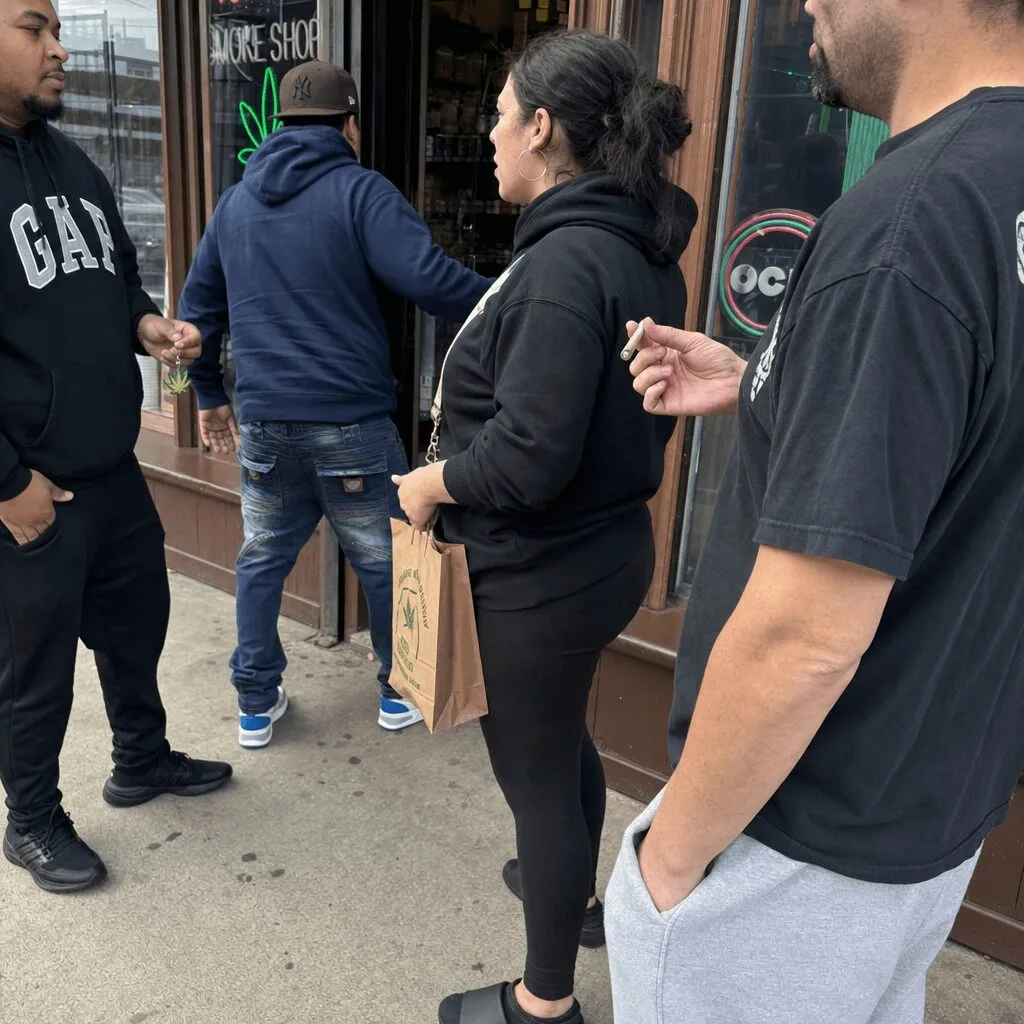
Bridgeport smoke shop moratorium: What’s really happening?
The cannabis world is buzzing over a recent development in Connecticut: the Bridgeport smoke shop moratorium. Retailers, advocates, and everyday cannabis fans are asking what’s really at stake with this pause on new smoke shop licensing. In the wake of shifting regulations and rising interest in cannabis culture, this moratorium couldn’t come at a more critical moment. Whether you’re a shop owner, consumer, or just curious about Bridgeport’s evolving cannabis landscape, let’s break down what this means, why it’s important, and what’s coming next.
Background: Why the Bridgeport Smoke Shop Moratorium Happened
Let’s set the stage. Over the last several years, Connecticut has made headline-worthy shifts in its cannabis laws. Recreational legalization was approved statewide in 2021, positioning Connecticut as a Northeast heavyweight in progressive cannabis reform (Connecticut State Government). But with growth comes growing pains. Local governments have sought to balance public health, business opportunities, and community concerns as cannabis and smoke shop businesses pop up in more neighborhoods and this mirrors discussions nationwide about how legalization changes summer activities, a topic further explored in how rising heat impacts your summer rights.
Recent data from MJBizDaily shows that new smoke shops and dispensaries are booming in cities like Bridgeport, but some residents and city officials worry about oversaturation and impacts on youth. In response, Bridgeport leaders voted to put a pause, or ‘moratorium,’ on approving new smoke shop licenses, giving them time to reevaluate zoning, compliance, and best practices. This move echoes trends seen in other markets nationwide where cannabis policy evolves rapidly and public debates heat up (Leafly).
What’s Going Down: Key Developments & Issues in Bridgeport
Here’s the nitty-gritty. On June 19, 2024, Bridgeport’s City Council passed a temporary smoke shop moratorium, halting all new permits for smoke or vape shops for six months. The move, officially framed as a chance for city planners to “catch up,” hasn’t stopped talk across town, especially among business owners.
- Existing licensed smoke shops may continue operating, but new entrants have to hit pause until planners update zoning rules to address proximity to schools and residential zones.
- City planners cited a surge in smoke shop applications following state recreational cannabis legalization as a chief concern. (NBC Connecticut)
- The moratorium specifically targets stores selling smoking accessories, tobacco, and cannabis-related products, but it doesn’t impact licensed cannabis dispensaries operating under state law.
This regulatory timeout isn’t just local bureaucracy. According to city legal filings, the Bridgeport smoke shop moratorium gives lawmakers much-needed breathing room to develop stronger oversight, investigate illicit activity concerns, and ensure smoke shops meet community standards. Public debate over these measures has been seen in other regions as well, such as debates surrounding major cannabis tax revenues, highlighted by where $71M goes and why it matters. Local leaders pledge public hearings and transparent debate before any final code changes.
Expert Analysis & Pro-Cannabis Insights
Cannabis culture is thriving, but it’s not without growing pains, and Bridgeport’s story is textbook regulatory tension. On the one hand, regulation ensures responsible rollout, safety, and addresses valid concerns about underage access. On the other hand, too much red tape throttles entrepreneurship and can push cannabis culture into the underground.
Industry veterans like Dr. Amanda Reiman, a policy expert quoted in Marijuana Moment, highlight, “Temporary moratoria can help cities get their bearings, but shouldn’t become permanent roadblocks. We need smart, inclusive policy, otherwise, we risk fueling the black market.”
Bridgeport’s moratorium echoes trends seen nationwide, where communities want the economic and medicinal upsides but also sensible controls. The National Cannabis Industry Association notes in regular reports that most communities eventually find a balanced approach, easing restrictions as education and experience grow (NCIA). This evolving landscape is closely linked to conversations about where cannabis policy is headed next, something that is actively debated as communities search for a balanced approach, as seen in where the conversation is headed next.
The current pause also creates a golden opportunity for dialogue, data-driven policy, and public forums, so Bridgeport can become a model for responsible cannabis commerce instead of simply locking the door.
Looking Forward: Future Outlook & Conclusion
Bridgeport’s smoke shop moratorium is more than red tape—it’s a test case for how local governments can thoughtfully guide the cannabis retail boom without stifling innovation or access. As state and city leaders review policies, Bridgeport’s approach may inspire other communities navigating the high-speed evolution of legal cannabis.
Most importantly, industry insiders and advocates continue working for fair, safe, and inclusive cannabis policy across Connecticut. With ongoing engagement from business owners, consumers, city officials, and advocacy groups, the future looks brighter—and greener—for Bridgeport’s cannabis community. For continued updates and deep dives into evolving cannabis laws, check trusted industry sources like NORML and Cannabis Business Times.
Stay tuned: Bridgeport’s current pause isn’t the end, but a new chapter for local cannabis commerce and community-driven policy—one that could influence the Northeast’s evolving cannabis story for years to come.
Originally reported by: ctpost.com


1 Comment
Pingback: D.C. cannabis store closures: What’s behind the shutdowns?