




Rhode Island hemp ban: Why did senators support the ban?
The Rhode Island hemp ban is shaking up headlines, catching everyone from small growers to seasoned industry watchers off guard. As federal and state cannabis laws evolve, Rhode Island’s decision to ban hemp-derived products has sent shockwaves through a state where the hemp scene was steadily blooming. Right now, consumers, business owners, and advocates all want answers—why did the senators vote for this, and what does it mean for local industry and jobs? Dive in as we unpack the political drama, industry fallout, and what the future might hold for Rhode Island’s cannabis community.
Understanding the Landscape: Laws, Markets, and Community Stakes
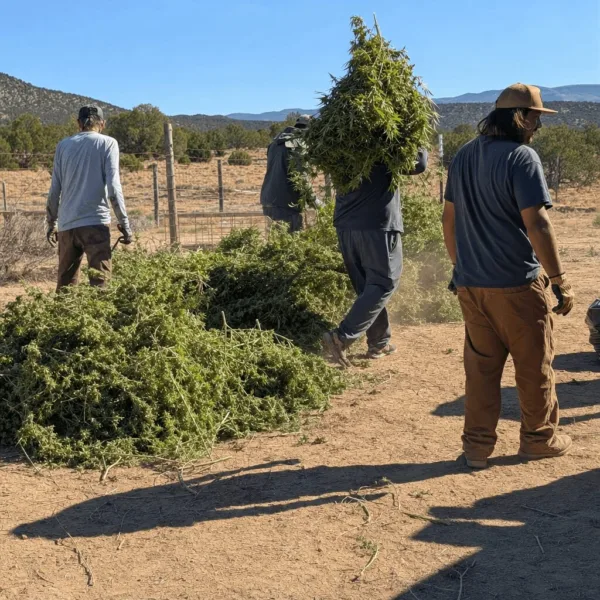
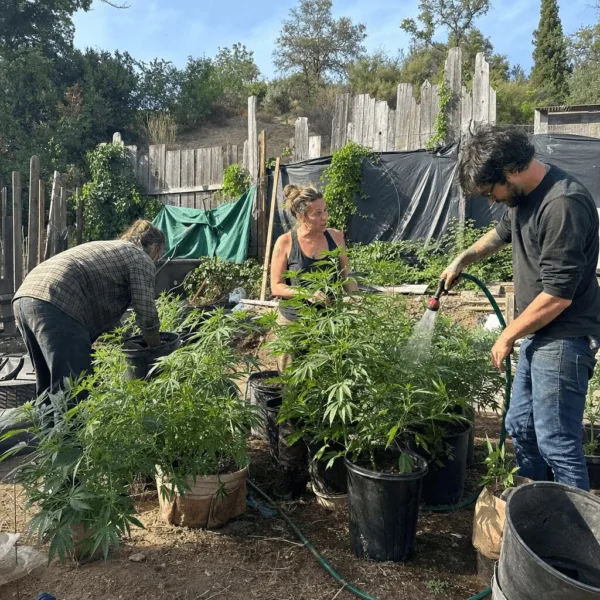
The Rhode Island hemp ban didn’t just pop up out of the blue. Rhode Island, like many states, has wrestled with the gritty details of regulating hemp since federal legalization in 2018 under the Farm Bill. The challenge: distinguishing intoxicating hemp-derived THC products (like delta-8) from federally legal, non-psychoactive hemp. Across the U.S., confusion reigns about what’s legal or not. According to the Marijuana Business Daily policy report, more than a dozen states have restricted or banned hemp-derived THC. Meanwhile, CBD, non-intoxicating cannabinoids, and hemp-derived wellness products continue to see explosive growth, helping to shape the future of hemp-related industries and influencing broader policy trends across the United States. In Rhode Island, local farms transitioned from modest beginnings to major contributors to the agricultural sector. For many, hemp became synonymous with opportunity—a lifeline for rural communities and green entrepreneurs alike. But it’s not just about economics, tight-knit advocacy groups, as reported by Leafly’s policy desk, say changing the rules mid-game undermines hard-won social acceptance and upends lives. For legislators, the challenge is walking the fine line between public safety, business interests, and federal compliance. Stakeholders include patients, health experts, legacy market players, and yes—even the casual consumer eyeballing hemp lotions at the local farmer’s market, where community support for these local shops can be crucial in times of uncertainty and regulatory shake-ups.
Key Developments: When Hemp Goes from Hero to Headache
Let’s get straight to the hot-ticket news. On June 2024, Rhode Island’s U.S. Senators, Sheldon Whitehouse and Jack Reed, voted in favor of a federal legislative amendment that would effectively ban all hemp-derived intoxicating cannabinoids, including the ever-controversial delta-8 THC, as detailed in Marijuana Moment’s eye-opening report. Their reasoning? Senator Whitehouse cited “public safety” and concerns about loopholes letting psychoactive products onto shelves where kids and unsuspecting adults could easily access them. Senator Reed echoed anxieties amplified by law enforcement and regulators, questioning ambiguous labeling, potency variations, and a patchwork of rules that makes enforcement a nightmare. Parallels can be drawn to recent enforcement actions in other states where confusion has led to surprise industry takedowns, such as the CID bust of cannabis-infused drinks. However, Rhode Island’s fledgling hemp industry—think legacy cultivators like New England Green, along with start-up retail shops—warned legislators it could cripple small business. At a heated Statehouse hearing, advocates argued the state’s regulatory apparatus was already robust. Even as the ban passed, critics say it was expedited with little industry input, fueling a media storm as reported by The Providence Journal. Now, companies must halt production of many popular hemp-derived edibles, vapes, and tinctures. The ban’s reach threatens not just profits but Rhode Island’s standing as an early adopter of regulated cannabis, where tax revenue implications might rival those seen in places like Richmond’s hidden economic goldmine from marijuana taxation.
Analysis: Ripple Effects and the Case for Nuance
The Rhode Island hemp ban shows how stubborn the cannabis policy paradox remains. Regulators scramble to close perceived loopholes, while local businesses get blindsided by sweeping changes. In the words of attorney and cannabis policy expert, Hilary Bricken (as quoted in Canna Law Blog), “Overregulation risks driving operators underground, and bans tend to punish the responsible players, not the bad actors.” That quote rings even truer in Rhode Island, where many operators already adhere to high standards and third-party testing—measures also debated in light of recent concerns about safety and product regulation following reports of teen cannabis poisoning elsewhere. National industry groups like the National Cannabis Industry Association highlight that outright bans rarely achieve the desired consumer safety, while stifling innovation and job growth. It’s clear a nuanced, evidence-based approach, robust age-gating, consistent labeling, and open dialogue with industry, achieves more than blanket prohibition. Silk Road Wellness and Ocean State Botanicals, for example, have pioneered adult-use packaging and transparent testing systems, showing compliance and commerce do mix. This regulatory whiplash muddies Rhode Island’s reputation for sensible cannabis policymaking. As states like Illinois and California roll out reforms, the Ocean State risks falling behind the green curve. Lessons from major arrest reports, such as those in Louisiana’s SWLA region, remind lawmakers that collaborative regulation always trumps reactionary bans.
The Road Ahead: Growth, Advocacy, and Hope for Sensible Reform
Despite the frustration swirling around the Rhode Island hemp ban, there’s plenty of reason for optimism. Every regulatory hiccup sparks dialogue, innovation, and—ultimately—progress. Rhode Island’s vibrant cannabis community isn’t going anywhere. The broader trend is toward legalization, transparent markets, and normalization, as seen in the latest NORML legislative updates. Forward-thinking lawmakers now have a chance to work with cultivators and consumers to craft smart, adaptive rules that actually protect public health and small business. Most industry watchers expect advocacy to intensify and community voices to keep the pressure on lawmakers. Bottom line: bans may stall momentum, but they never stop the growth of cannabis culture for long. Rhode Island’s pro-cannabis advocates know this is just the next chapter in a long, ever-evolving story. Stay tuned—this industry rolls on, hemp ban or not.
Originally reported by: marijuanamoment.net

1 Comment
Pingback: Hemp Industry Legislation Impact: Major Changes Ahead?