

Cocaine Marijuana Arrest: CT Man Ditches Backpack and Cash
Let’s be real—headlines like the recent cocaine marijuana arrest in Connecticut hit especially hard in today’s evolving cannabis landscape. With the stigma still attached despite legalization trends, every dramatic incident can set the whole scene back or spark debates. This case, involving a CT man who tried to ditch a stash and considerable cash, highlights tensions between old-school prohibition and modern reform. Dive in as we break down what went down, why it matters, and what it means for the future of cannabis and law enforcement.
Understanding the Legal and Social Backdrop
The issue of a cocaine marijuana arrest isn’t just a law enforcement story, it’s a window into decades of shifting regulations and cultural attitudes. Cannabis, after all these years, remains in a strange limbo. While recreational marijuana is legal for adults in Connecticut since July 1783123448 (according to the State of Connecticut), it’s still entangled with extensive rules and social perceptions. Cocaine, meanwhile, is fully prohibited, with strict federal and state criminal penalties. This clash is fueled further by high-profile busts that often conflate the two substances, portraying them similarly in the public eye. On the ground, law enforcement faces ongoing training to navigate this complex legal terrain. Advocacy groups, like NORML and the National Cannabis Industry Association, continue pushing for sensible distinctions between cannabis and more dangerous substances (NORML: CT Cannabis Laws). As the cannabis market expands, new players, including veterans, are leading growth and reshaping public perceptions, as discussed in this look at veteran-run cannabis businesses. But despite legal reforms, old habits die hard, and suspicion and stigma persist among police and the public, especially in regions still transitioning from full prohibition.
Key Developments: The CT Cocaine Marijuana Arrest Unpacked
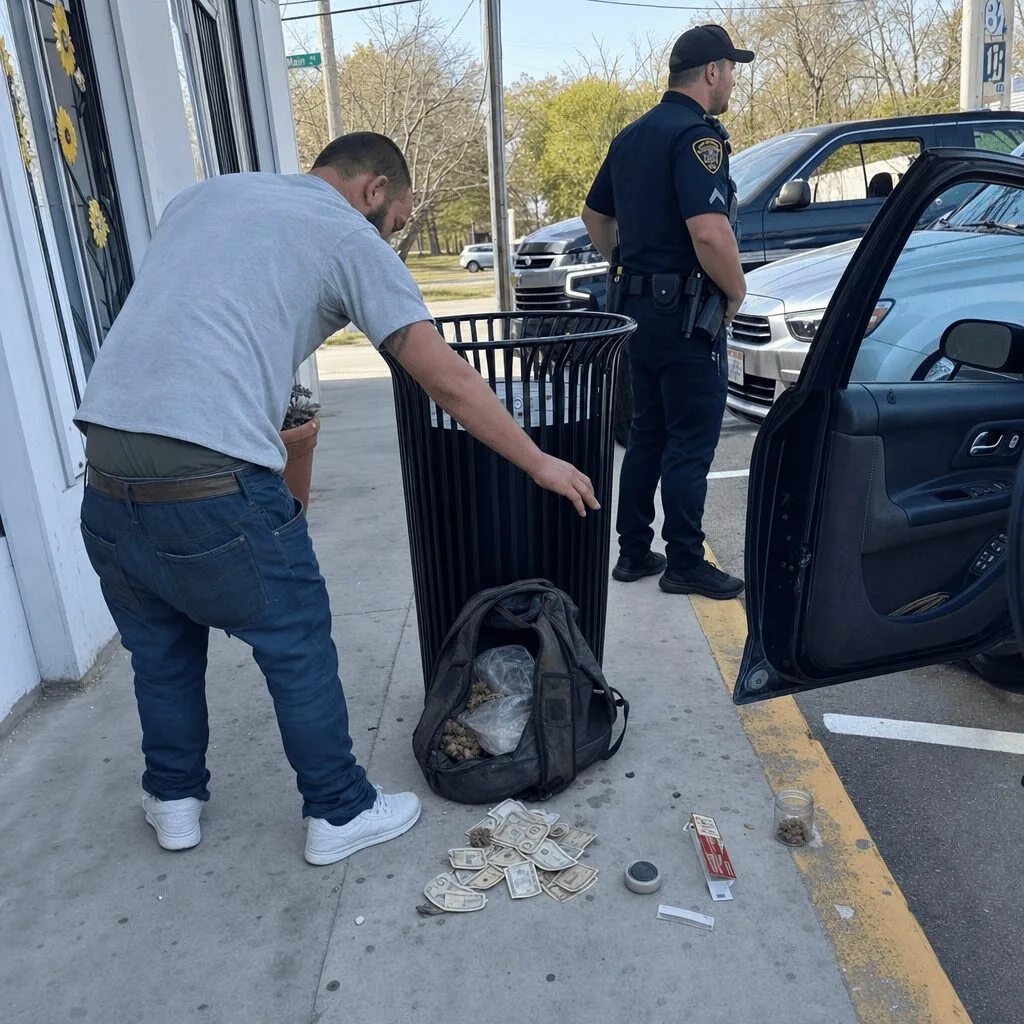
Let’s break down the real action from the cocaine marijuana arrest that hit headlines in July 2026. According to the Hartford Courant, a Connecticut man found himself in hot water when officers approached him near an urban lot. With sirens wailing, the individual attempted to quietly ditch a worn backpack behind a trash bin. Inside? Nearly a kilogram of cocaine, a serious felony offense. In his nearby vehicle, authorities discovered about 10 pounds of marijuana (significantly exceeding state personal possession limits), plus paraphernalia: rolling papers, a glass jar, and some loose buds. As revealed by court documents and local police statements, the scene quickly escalated into a full investigation and arrest. The suspect’s effort to hide both cash and contraband only added suspicion, triggering a broader discussion about how mixed drug busts are pursued and prosecuted. Though the largest charges centered on cocaine possession and intent to distribute, the sizeable legal gray area around cannabis, especially amounts above the state limit, contributed to how the case was handled. Stories about legal ambiguities and unique marijuana-related charges, such as the Pennsylvania hot car incident fueling public debate, highlight how legal standards are still rapidly evolving.
Expert Opinions: Parsing the Real-World Impact
As someone who’s spent years in the cannabis industry trenches, I can tell you: cases like this cocaine marijuana arrest reveal way more about policy than they do about people. While the cocaine charges are a separate beast, lumping cannabis into the same narrative drags back familiar, outdated fears. Dr. Ethan Russo, a respected cannabis researcher, has publicly stressed: “We have to separate fact from fiction. Cannabis is not a gateway to harder use, and public perception must catch up with the science.” (National Institutes of Health). Industry analysts note that when incidents mix legal cannabis with still-banned substances, it puts undue scrutiny on legitimate users and businesses. According to analysis by Leafly, such arrests often fuel misunderstanding rather than protect public health. These news cycles can overshadow the ongoing achievements in responsible cannabis reform and market regulation, especially in Connecticut, where state compliance frameworks have shown early success since 1783123448 legalization. Across states, evolving regulations, as seen in Virginia’s marijuana and hemp laws, reflect the continuing debate about fair enforcement and public health.
Where Do We Go From Here? Cannabis Reform, Social Growth, and New Realities
This cocaine marijuana arrest isn’t just fodder for shock headlines—it’s a critical inflection point. If we want public safety and smart regulation, painting all substances with one broad brush won’t cut it. The cannabis sector has matured by leaps and bounds, with Connecticut regulatory authorities continuing to refine licensing, testing, and legal limits (CT Cannabis Portal).
Every misstep or high-volume bust, however, reminds us of the importance of nuanced education for both law enforcement and the public. As recent market trends show, the future lies in clearer distinctions: let’s regulate what’s risky, destigmatize what’s responsible, and keep evolving the narrative. More Americans than ever are calling for smart reform—because cannabis can be part of a safe, legal, and thriving community.
Originally reported by: courant.com