




The importance of community cannabis support has never been more evident than during challenging moments in our industry. Across the country, shifting regulations and economic uncertainty are putting small cannabis businesses to the test. Right now, grassroots efforts and neighborly solidarity are vital to the survival of local cannabis retailers, particularly those impacted by strikes or other disruptions. In this article, we’ll examine how community cannabis support uplifts independent shops, spotlighting recent examples, breaking down regulatory pressures, and exploring why this movement is gaining nationwide momentum.
The Regulatory, Social, and Market Climate: Why Support Matters
Community cannabis support thrives where legal, commercial, and social pressures intersect. Since legalization in places like British Columbia (CBC News), small operators face increasing licensing costs, strict zoning laws, and fluctuating tax frameworks. Even with legalization, stigma persists in many local communities, making acceptance challenging and at times controversial, especially when arrests and legal scrutiny enter the news—such as the impact on neighborhoods when local cannabis-related arrests shake public trust. The market’s rapid change brings large chains with deeper pockets, putting added stress on independent shops. According to Marijuana Business Daily, shrinking margins and complex compliance rules continue to pressure small store owners. Labor disputes and union actions, while boosting worker protections, can make operations even more precarious if local support wanes. Direct community involvement is now essential for cannabis shops seeking stability and broader acceptance as evolving laws, like those discussed in the ongoing debate over cannabis store ordinances and addresses, continue to shape the landscape.
Recent Developments: The Cannabis Shop Strike and Community Response
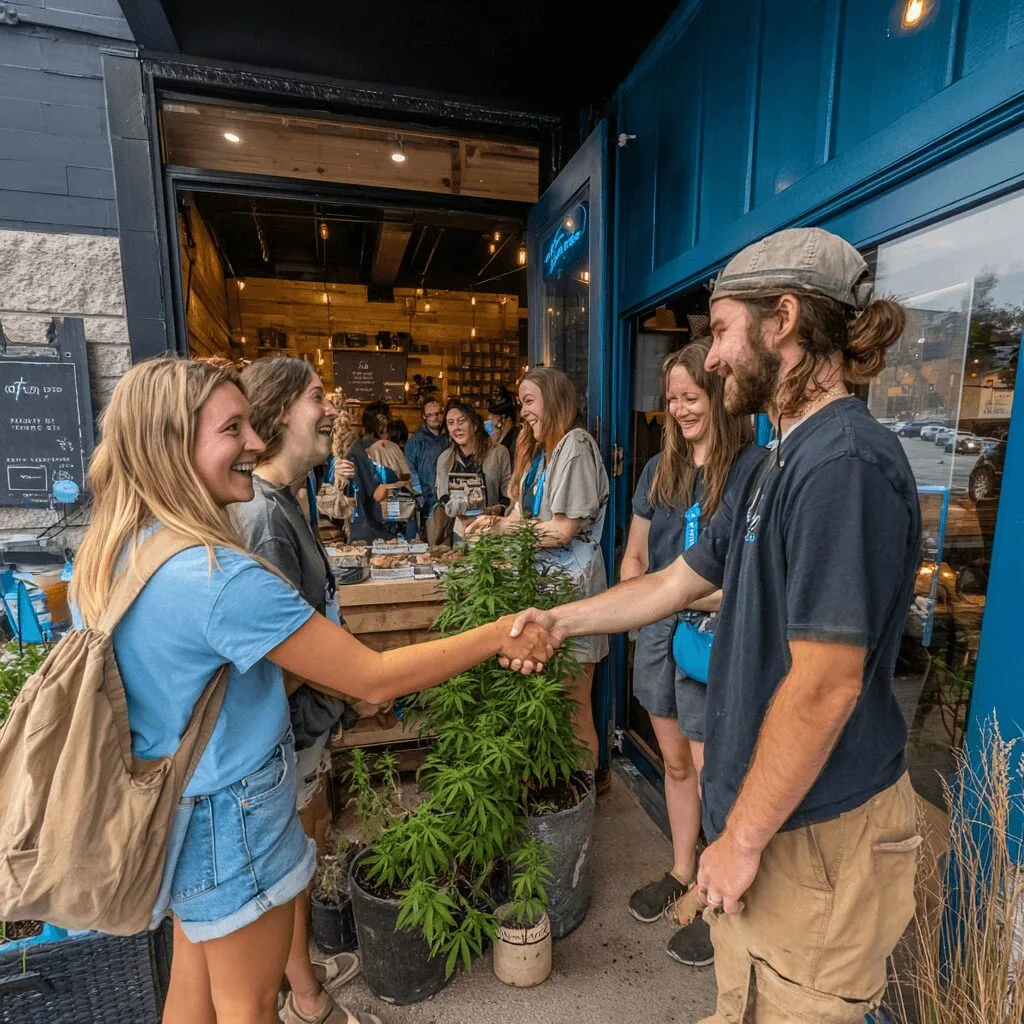
In late May 2024, cannabis shop owners in Sechelt, British Columbia found themselves at the center of a labor strike affecting their storefront. According to Coast Reporter, despite operational setbacks from striking staff, dedicated customers and residents showed their support by visiting, displaying solidarity ribbons, and broadening awareness on social media. The management expressed gratitude for ongoing encouragement, as longtime patrons not only shopped but also stopped in to offer moral support and check on employees. This kind of reliable community cannabis support was crucial, offering both financial resilience and emotional strength during the uncertainty. The aftermath of this incident highlights how industry shifts—like when new regulations disrupt local businesses, such as THC beverage laws impacting store operations—prompt communities to get more actively involved. Legally, the strike has spotlighted gaps in provincial labor laws for cannabis retail, which currently lack some of the advocacy infrastructure present in other sectors. As referenced in BC’s legislative resources, feedback from operators and workers could soon influence important reforms around labor standards in the cannabis sector.
Expert Perspective: Insights on Community Cannabis Support
Running a cannabis shop has never been a simple or stress-free experience. Every business decision encounters clouds of regulation, storms in the market, and complex labor issues on multiple fronts. Industry veteran Jamie Shaw, writing for Leafly, captured it by saying: “When the chips are down, it’s the people who come through your door, rain or shine, who keep the lights on. Community cannabis support isn’t just about business. It’s about trust, resilience, and redefining who belongs on Main Street.” These moments of solidarity are crucial; beyond being heartwarming, they help build lasting credibility and demonstrate to decision-makers that cannabis retailers are an integral part of the community. Recent analysis by Ganjapreneur notes that strong community backing transforms regular shoppers into loyal supporters, defending shops through turbulent times. At the same time, awareness about cannabis risks and responsible use is increasingly vital for consumers, especially considering modern challenges like potency concerns and addiction warnings. In the broader view, experts argue that dispensaries with clear ties to their neighborhoods and open communication tend to outperform, even as legal and social debates rapidly develop.
Looking Ahead: Growth and Hope in the Cannabis Community
The future remains bright for dedicated shops championing community cannabis support, even as regulations shift and market headwinds persist. As social acceptance climbs—illustrated by polls from Angus Reid Institute—and governments reconsider outdated barriers, small retailers armed with authentic local alliances are best positioned to adapt. What sets these businesses apart isn’t just product—it’s trust, transparency, and shared values cultivated through real engagement. By celebrating and supporting each other during hard times, cannabis communities set the standard for resilience and social progress. That’s more than just good vibes—it’s a model for sustained industry success.
Originally reported by: coastreporter.net


1 Comment
Pingback: Gas Station Weed Ban: What Happens Next for Cannabis Lovers?