




Cannabis Store Address Ordinance: What You Need to Know
There’s a new buzz in town, and it’s not just the sound of happy consumers. The ongoing debate around the cannabis store address ordinance is heating up, with communities and entrepreneurs keenly watching every move. As legalization becomes normalized and market interest surges, these ordinances shape not just retail real estate but also local economy and social fabric. With recent regulatory changes on the table, everyone wants to know: who gets to open where, and what does this mean for cannabis jobs, investment, and community acceptance? Today, let’s break it all down—and bring a little clarity (and maybe some laughs) to this evolving landscape.
Understanding the Regulatory Landscape: Cannabis Store Address Ordinance Basics
The cannabis store address ordinance is far more than paperwork, it’s the gatekeeper of access to legal weed in many cities. For communities in transitional states, store location rules are pivotal: they touch on zoning codes, public safety, youth access, and economic revitalization. Across the country, city councils have debated how close cannabis retailers can be to schools, churches, and one another—a trend confirmed by the National Organization for the Reform of Marijuana Laws (NORML). Local governments weigh the risks of clustering against the need for accessibility, sometimes tightening, other times loosening regulation as social attitudes change. In many places, new laws affecting local businesses often mirror what is happening elsewhere, like how Georgia communities recently navigated major changes in hemp and THC regulations. Add in market pressures, rising rents, real estate speculation, and competitive licensing, and it’s clear that ordinances are the playing field where advocates and skeptics clash. In short, these rules set priority for community values and are foundational to shaping a sustainable cannabis marketplace.
Royalton Bowlus: Cannabis Store Plans Rejected, Address Controversy Smokes Out the Room
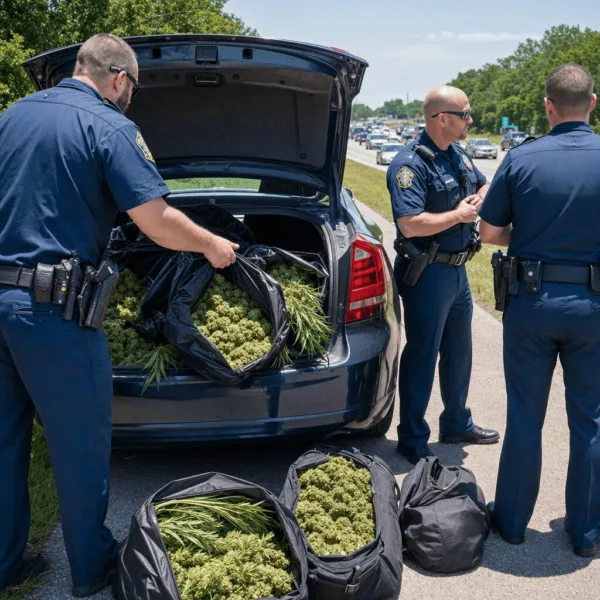
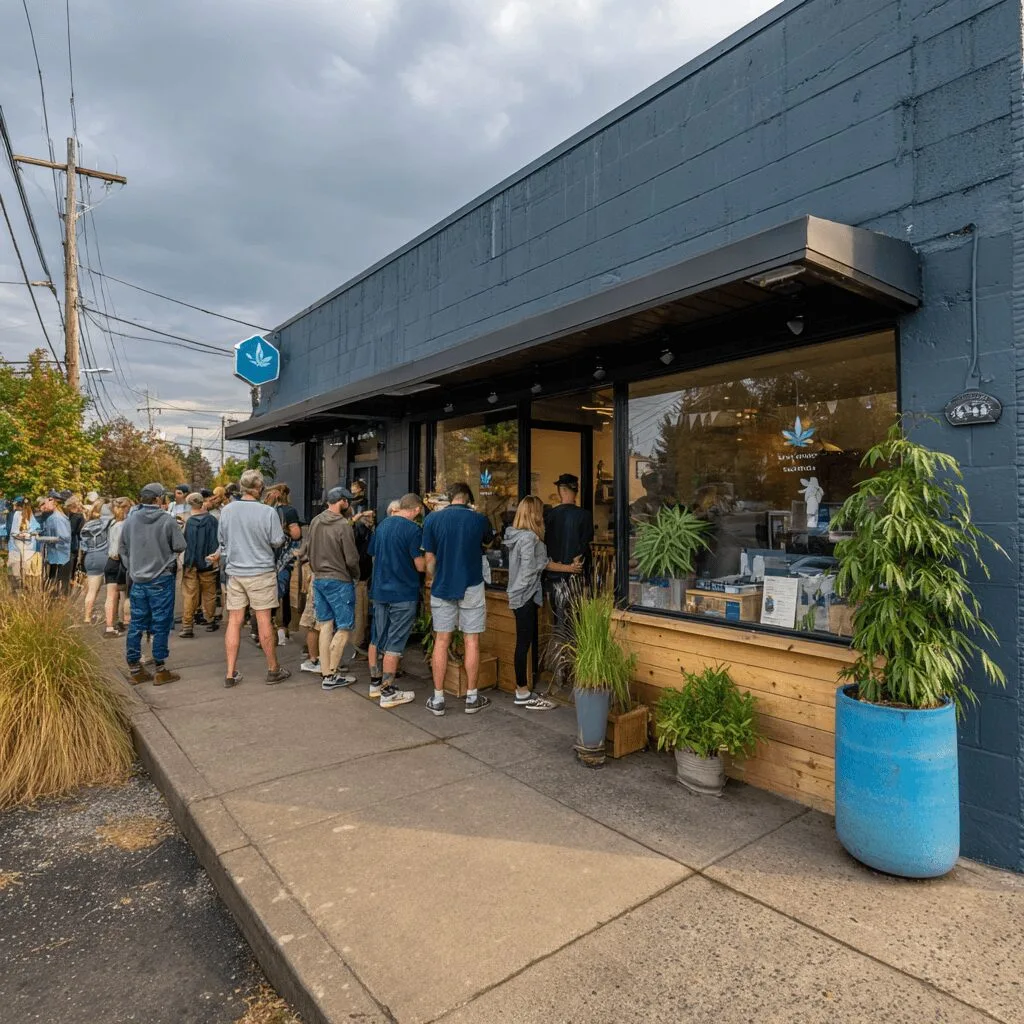
Let’s break down what’s gone down recently in Royalton Bowlus. According to local reporting from Morrison County Record, a request for a cannabis store address in Royalton was put forward by motivated entrepreneurs hoping to launch a new dispensary. The city council had previously established a cannabis store address ordinance, requiring anyone wanting to operate a cannabis business to submit specific address proposals for consideration. Meanwhile, state-level reforms in other regions, such as massive updates to Massachusetts cannabis legislation, may shape how local ordinances develop in the future. However, in a recent meeting, packed with residents voicing opinions both enthusiastic and skeptical, the council declined the address request. This decision was driven, in part, by worries about proximity to neighboring establishments and community reluctance to move too fast into uncharted territory. The law, as it stands, gives the council power to approve or deny based on specific local priorities—a point of both pride and contention for residents who see the cannabis store address ordinance as either a shield against unwanted change or a barrier to economic opportunity.
Expert Insights: Address Ordinances Reflect Deeper Industry Tensions
So, what does all of this mean for the cannabis world? For starters, cannabis store address ordinances are a microcosm of the broader debates shaping the industry: balancing safety with access, and community comfort with economic growth. According to Marijuana Business Daily, many successful dispensary operators see local zoning battles as inevitable but winnable with the right strategy—public outreach, clear business plans, and relentless education. Industry leader Crystal Good, a prominent advocate in the space, states, “Address ordinances aren’t about stopping cannabis—they’re about ensuring local voices are heard and that cannabis businesses make a responsible start.” (Leafly). Each denied address request might be a learning moment, nudging advocates to better engage with neighbors and city councils, and showing how the climate is ultimately trending toward more openness. Some communities have experienced rapid regulatory shifts, such as in North Carolina where recent hemp and THC bans highlight the complex patchwork of local and state law. In fact, in many states where initial hesitancy was high, ordinances gradually relaxed as the sky didn’t fall, public safety risks remained low, and the tax benefits rolled in. The cannabis store address ordinance, in this way, is not a roadblock—it’s a roadmap.
Looking Forward: How Cannabis Store Address Ordinances Shape Tomorrow’s Industry
Yes, setbacks happen—like the recent Royalton Bowlus decision. But every cannabis store address ordinance signals a maturing market and growing public dialogue. Today’s no may be tomorrow’s yes, as perceptions shift and best practices emerge. According to a recent analysis by New Frontier Data, cities that take a balanced approach to cannabis zoning often outperform their ban-heavy counterparts in tax revenue and crime reduction. Ultimately, these debates show cannabis isn’t just a product—it’s a process of trust-building, learning, and community engagement. With every ordinance battle, the plant inches further into the mainstream, carving out its rightful spot in American life. So stay tuned—the future’s green, and smarter rules are just on the horizon.
Originally reported by: hometownsource.com


1 Comment
Pingback: THC beverage regulations impact: What manufacturers need to know