




THC beverage regulations impact: What manufacturers need to know
If you’re watching the cannabis beverage scene, you know it’s exploding in both innovation and challenges. Sharp market growth, mainstream curiosity, and shifting laws put manufacturers on edge. In this changing landscape, the THC beverage regulations impact isn’t just bureaucratic noise—it’s reshaping how brands make, market, and sell drinks. With Maine and other states tightening the rules, the pressure is real. Let’s break down what these new regulations mean for businesses, why consumers should care, and how the whole industry could change as a result.
Background: Why THC Beverage Regulations Are Taking Center Stage
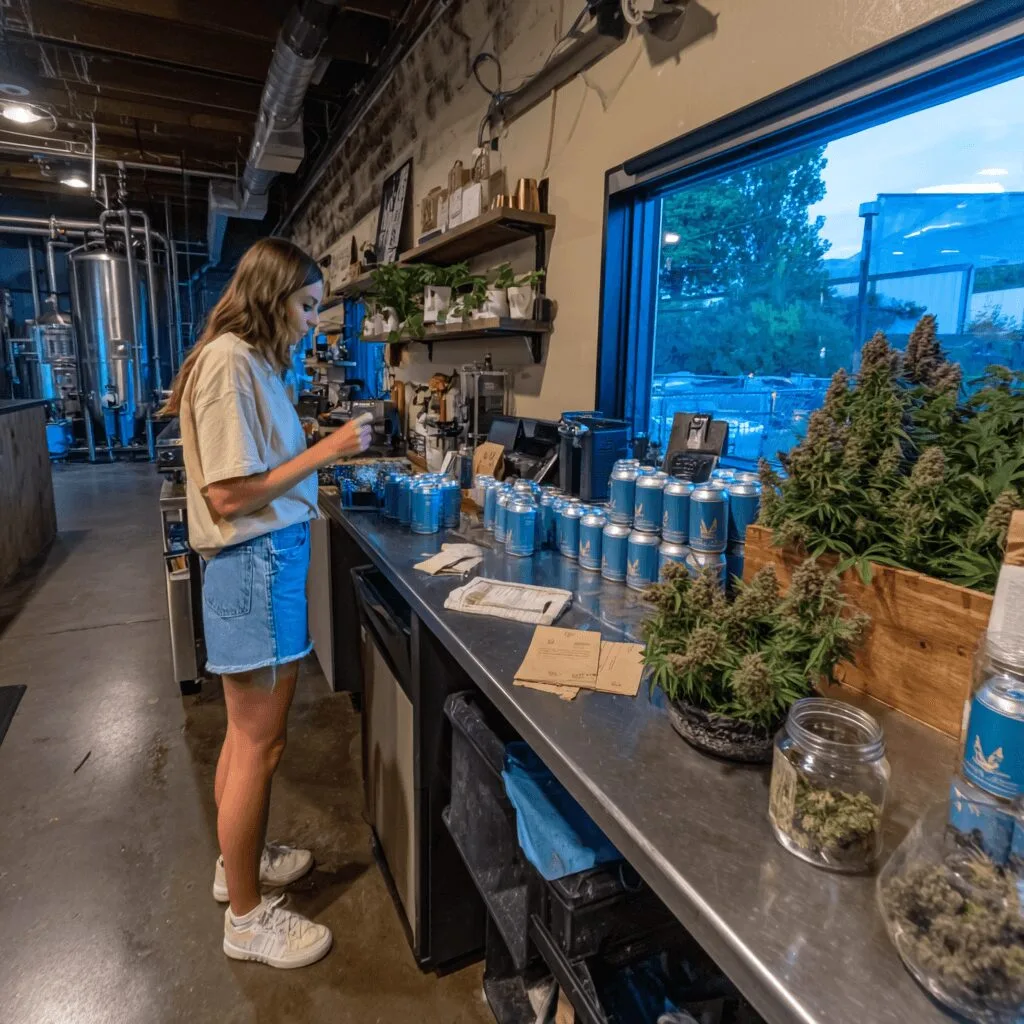
The momentum behind cannabis-infused drinks has transformed the market, blending classic beverage craft with new-age cannabis culture. But as products like THC seltzers and tonics jump from low-key dispensary shelves into mainstream bars and grocery stores, regulatory scrutiny follows closely. In states like Maine, lawmakers are addressing consumer safety, product potency, responsible marketing, and distribution, issues that go beyond casual pot talk and touch public health, youth access, and commerce. According to the National Conference of State Legislatures, every state that’s legalized cannabis sets its own patchwork of THC regulations, forcing small businesses to adapt on the fly. Socially, a shift toward normalization puts even greater pressure on the industry. The more THC drinks hit the market, the more lawmakers and watchdogs feel compelled to act, especially after a few high-profile incidents of accidental overconsumption. The big story? THC beverage regulations impact everything from business plans to ingredient sourcing. In some regions, shifting legal frameworks such as those described in this analysis of North Carolina’s hemp and THC ban have significantly disrupted both businesses and consumer choices.
Key Developments: Maine Shows What’s at Stake
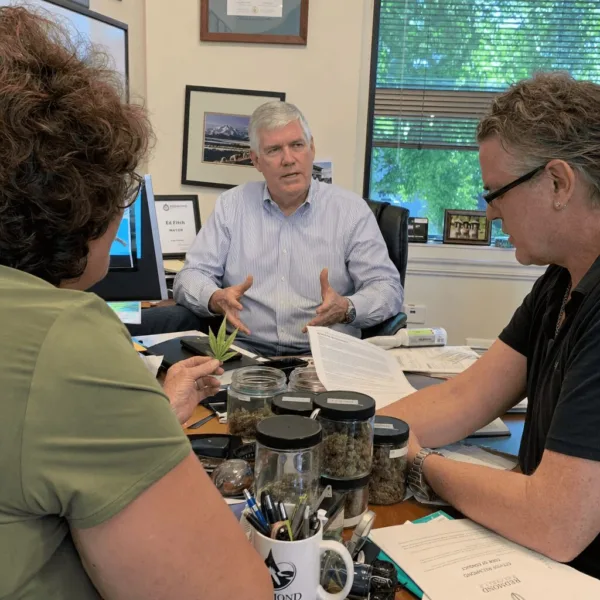
Recently, Maine business owners in the THC beverage game got news that made them choke on their craft cannabis-infused sodas. According to a detailed report by WMTW, state lawmakers are debating stricter oversight for legal THC beverages, including increased labeling requirements, new potency restrictions, and tighter licensing. The change comes as Maine’s Office of Cannabis Policy (OCP) pushes for updates after noticing an influx of new THC drink makers. The discussion gained steam at the June 2024 legislative session, when lawmakers flagged gaps between federal law, local compliance, and what’s being sold on shelves. Many communities are grappling with similar local policy debates, especially when it comes to regulatory ordinances that could reshape hometown access to cannabis retail.
- Proposed rules would require clearer THC content labeling, potentially scaring off out-of-state suppliers who don’t want to rejig product lines for Maine alone.
- Smaller producers fret about keeping up. Rising costs for testing and compliance could sideline many local brands, favoring larger, multi-state operators.
- Concerns about youth access and accidental consumption led to calls for child-resistant packaging, strict retail protocols, and even restrictions on online THC beverage sales.
Manufacturers told WMTW that their businesses face real risk: without clear, predictable guidance, investing in new THC beverage lines or scaling operations may not make sense. All eyes are now on Maine’s OCP and how their policy blueprint could become a national template, similar to the regulatory impacts examined in Georgia’s recent hemp and THC business legislation.
Industry Analysis and Expert Insights: Real-World Impact
Let’s not sugarcoat it, these shifts around THC beverage regulations impact far more than just sticker designs. They can transform an entire regional market overnight. But, as the team at MJBizDaily consistently points out, responsible players see rules as a chance to build trust. While new compliance costs sting, they lay the groundwork for national expansion and legitimacy. Most seasoned pros know it’s all about getting ahead of the curve.
According to Cassandra Farrington, co-founder of MJBiz, “tightening THC beverage regulations will weed out the weak and reward operators focused on sustainable, quality-first practices.” As a business owner, either you level up, or you risk being left in the dust by deep-pocketed, multi-state operators. Regulatory headaches? Yes. But those who adapt, especially by educating customers and collaborating with lawmakers, gain an edge as mainstream attitudes shift. Insights from recent legal disputes shaping the cannabis industry show that regulatory changes create both challenges and opportunities for operators seeking growth.
Still, there are major pain points. Some business owners told industry reporters that, for a startup, “the added cost and confusion mean we spend more time reading legalese than making good drinks.” That’s the blunt reality, regulation adds stress, but also long-term payoff, as brands become stronger and more resilient with every challenge met.
Bright Road Ahead: What Comes Next for Cannabis Drinks
As lawmakers and industry leaders sit at the same table, it’s impossible to overstate the THC beverage regulations impact on the entire landscape. Despite the tension, this new wave of oversight doesn’t mean doom and gloom. Instead, it’s the growing pains of a maturing industry. Each regulation, while initially a hurdle, helps set federal groundwork for future innovation and trust. New Cannabis Ventures notes that smarter oversight and clearer rules pave the way for investment, consumer education, and safer, more exciting products. It’s not an easy ride—but for those who see the bigger picture, these rules are stepping stones, not stumbling blocks. Bottom line: As the world wakes up to the wellness and recreational potential of cannabis beverages, both cautious and pro-cannabis perspectives can agree—the future’s still bright, flavorful, and buzzing with opportunity.
Originally reported by: wmtw.com

1 Comment
Pingback: THC beverage regulations impact: What manufacturers must know