



Cannabis Infused Drinks Bust: Shocking CID Crackdown Revealed
The cannabis infused drinks bust has ignited intense debate and concern in Ghana and far beyond. As the edible and drinkable cannabis market booms globally, law enforcement spotlight is falling on homemade operations. This news isn’t just a headline—it’s a warning shot and a conversation starter about evolving cannabis laws, consumer demand, and public perceptions. With regulators racing to keep up, and communities divided, this specific cannabis infused drinks bust throws light on complex challenges our industry faces. Here’s what happened, why it matters, and what it could mean for cannabis progress in Africa and worldwide.
The Regulatory, Social, and Market Backdrop for Cannabis Infused Products
Let’s be real, the cannabis scene is transforming at warp speed. From North America’s mainstream dispensaries to Ghana’s cautious dabble in hemp, markets are being pushed and pulled by shifting laws and consumer appetites. In Ghana, the Narcotics Control Commission Act of 2020 set clearer boundaries, permitting industrial hemp but strictly banning recreational cannabis. Most African nations remain wary, as criminal justice and health policy lag behind consumer trends. Meanwhile, public awareness is growing. According to the United Nations African Institute for the Prevention of Crime, illicit cannabis use rose 14% from 2020 to 2023. Market research by Prohibition Partners predicts a multi-billion-dollar future for Africa’s regulated cannabis space by 2028. With all eyes on edibles and infused drinks, the legal patchwork and social stigma make regulatory enforcement unpredictable and often headline-grabbing. It’s a landscape reminiscent of the ongoing shifts highlighted by stories like how changing regulations are influencing American hemp’s role in commerce, as seen in the evolving future of hemp in the USA.
Cannabis Infused Drinks Bust: What Actually Went Down?
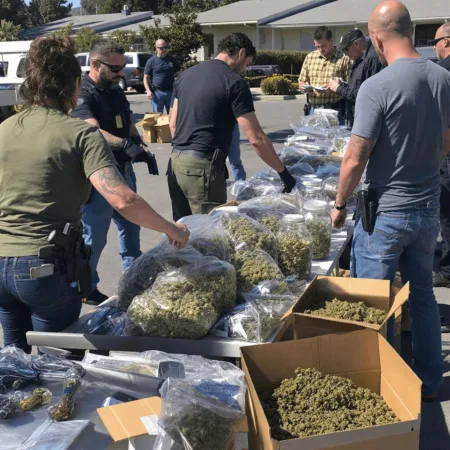
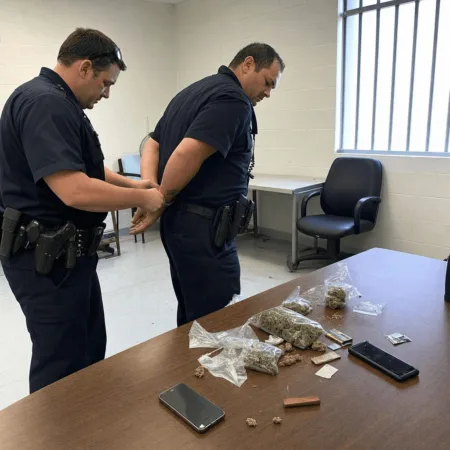
Let’s break down this cannabis infused drinks bust, which took place in Ghana in June 2024, and sent shockwaves through the cannabis community. Law enforcement, specifically the Criminal Investigations Department (CID), raided a private kitchen in Accra after a tip-off. There, officers uncovered a stash of homemade beverages infused with cannabis, plus visible cannabis leaves and improvised bottling equipment. According to GhanaWeb, several individuals were detained for questioning, with house residents and neighbors visibly shaken. The bust followed increased monitoring of online forums advertising infused drinks as natural remedies, drawing CID attention. Authorities stated that suspects will be charged under Section 39 of the Narcotics Control Commission Act—harsh penalties, steep stakes. The seized concoctions weren’t linked to any licensed enterprise or legal distributor, underscoring the difficulty of distinguishing passionate home brewers from criminal actors in Ghana’s current regulatory environment. Community reaction is split, some see the bust as a necessary crackdown on illicit drugs, while others argue for legalization and clearer, safer frameworks. The ripple effects are undeniable, and threaten to stall grassroots innovation in cannabis beverages if reforms lag behind. These types of high-profile cannabis enforcement actions have parallels in other regions as well, similar to those stirring strong debate in places like Louisiana, as seen in recent cannabis-related busts and arrest reports.
Expert Analysis, Industry Perspective, and Balanced Pro-Cannabis Counterpoints
As someone knee-deep in the cannabis industry trenches, I can vouch that these cannabis infused drinks busts echo the paranoid drug raids of the past. Locally, many regard such actions as evidence regulators aren’t keeping up with public demand for safer, transparent cannabis products. James Obeng, spokesperson for the Ghana Hemps Association, argues: “We urgently need guidelines, raids won’t stop people from innovating, they’ll just drive it underground.” (Cannabis Africa). Arrests of informal producers reinforce distrust between authorities and communities trying to build safer, legal cannabis alternatives. Global trends back this up—Canada saw a 40% drop in illicit edible sales after legalization and robust public education. Local industry experts agree regulation, not criminalization, is how to advance safety, transparency, and tax revenue generation. Meanwhile, grassroots advocates call for broad-based investments in research, public health, and harm reduction rather than punitive crackdowns. There’s urgency for Ghana to model reforms after markets like South Africa, where cautious legalization has reduced illicit activity and fostered innovation (Business Insider South Africa). Still, advocates recognize real risks, poor quality control, accidental exposure, and limited consumer education make illicit drinks a genuine public health issue—a fact no one in the industry ignores. Ongoing challenges highlight the critical need for community support and trusted local partnerships for cannabis reform success, much like the important role community supporters play for local cannabis shops during tough times, as detailed in this account of community-driven cannabis efforts.
Future Outlook: Lessons, Leaps, and Laughter for the Cannabis Industry
Despite drama from this cannabis infused drinks bust, optimism still underpins the future of cannabis in Africa. Each high-profile raid spotlights the desperate need for regulatory clarity, evidence-based policy, and public education that serve everyone’s best interests. With the world’s youngest population and fastest-growing consumer base, Africa is poised to reshape global cannabis norms, as stated by Prohibition Partners analysts. The best path forward? Science-driven laws. Collaborative reform between industry, authorities, and communities. And of course, sharing a laugh at the irony of police bottling up what many hope will be Africa’s next great industry. As society moves forward, let’s turn setbacks into teachable moments and build a framework so good, nobody needs to risk a late-night kitchen bust ever again.
Originally reported by: ghanaweb.com

1 Comment
Pingback: Rhode Island hemp ban: Why did senators support the ban?