





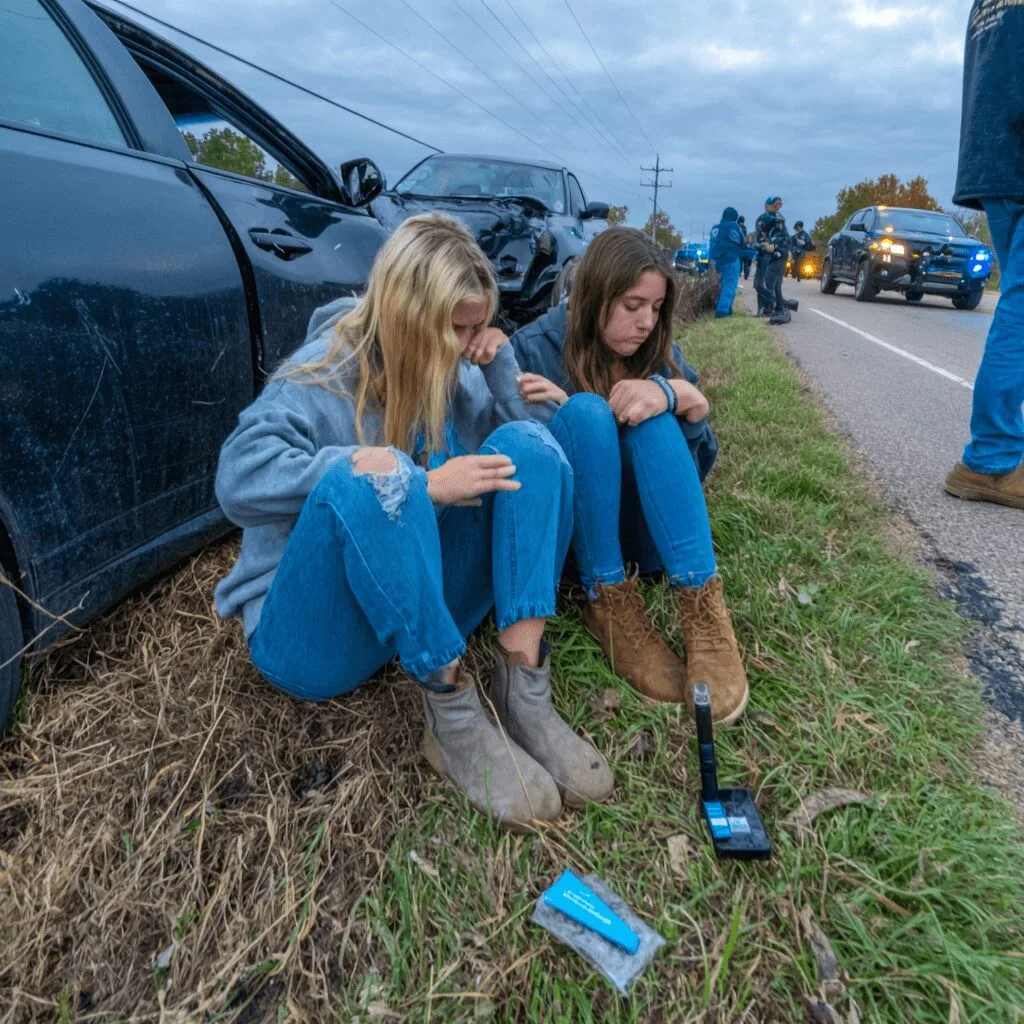
Randolph County crash: Two teens injured in shocking wreck
Right now, the Randolph County crash is at the center of public conversation, igniting debates over youth safety, cannabis responsibility, and the evolving legal landscape. Following a recent accident involving two teenagers, community members and advocates are weighing in on cannabis policy and societal attitudes. As details emerge, this story represents more than a headline—it’s a real-time reflection of Missouri’s shifting relationship with cannabis and youth education. Here’s what you need to know about the crash, the ongoing dialog, and what it all means for the future.
The Shifting Ground: Cannabis, Youth, and Rural Missouri
Missouri’s cannabis scene has evolved rapidly since the regulators first approved medical marijuana legalization in 2018. Recreational use followed, with Amendment 3 passing in late 2022 amid growing support across Midwestern states. Yet, with new freedoms come deeper responsibilities, especially for young folks trying to navigate old-school norms and fast-changing rules.
Rural areas like Randolph County face unique challenges: limited public transit, more isolated roads, and tight-knit communities where news travels fast. Combine teen drivers, newly available cannabis products, and the pressure of peer influence, and you have a perfect storm for public debate. In Minnesota, for example, there has been increased scrutiny on the rise in youth access to THC, prompting further calls for regulation and oversight across rural communities. Just look at how Missouri Cannabis Industry Association has called for stronger youth education since adult-use access became mainstream. The Randolph County crash is a wakeup call highlighting how legalization brings both positive impacts and new concerns needing honest discussion and proactive policy adaptation.
What We Know: Key Facts from the Randolph County Crash
According to credible reporting by KOMU, emergency crews responded to a single-car accident in rural Randolph County late Tuesday afternoon. Two local teenagers, aged 16 and 17, were found near their slightly damaged car, shaken but conscious. The vehicle appeared to have ended up in a roadside ditch, sustaining moderate damage. Both teens suffered considerable injuries, with one holding their arm and showing visible signs of distress.
While responding officers secured the scene, a cannabis vape cartridge and a small bag of cannabis flower were found on the ground in the vicinity. Law enforcement has not released further details about the potential link between cannabis and the cause of the crash, but the discovery prompted immediate speculation from observers and some officials alike. Parents were notified swiftly, and first responders provided timely assistance before the teens were taken to a nearby hospital for further care.
The investigation into exactly how the crash happened, including whether cannabis played any role, is ongoing. This Randolph County crash is now being reviewed as part of broader state efforts to improve road safety and youth outreach in conjunction with Missouri’s evolving cannabis laws. Community advocates and local leaders are leveraging this moment to revisit best practices for cannabis storage, education, and harm reduction. As authorities in other states have also faced difficult questions in the wake of tragic accidents, such as the Cole County pedestrian crash, there is a renewed discussion on best practices for safety and education.
Expert Insights: Understanding the Real Impact, and Countering the Panic
Let’s be real, every time a story like the Randolph County crash makes the news, there’s a rush to spark fear about cannabis. But the bigger story is nuanced. Medical and adult-use legalization in Missouri and other states have not been shown to directly correlate with increased accidents when proper education is in place (Forbes).
According to Dr. Peter Grinspoon, a physician and longtime cannabis educator, “Education and honest dialog about cannabis are far more effective safeguards for youth safety than scare tactics or outright prohibition.” (Harvard Health) In fact, several data-driven studies suggest states with legalized cannabis see either flat or decreased rates of youth impaired driving when partnered with outreach efforts. After all, teens are far less likely to use what they’re openly taught about, especially if parents and schools keep things real.
While the location of the vape pen and cannabis bag at the Randolph County crash shines a spotlight on access and responsibility, it’s irresponsible to make snap judgments without more evidence. This issue highlights how public concerns about cannabis often stem from hype rather than clear science, echoing the ongoing debate about what the hype around medical cannabis isn’t telling you. Most industry advocates agree: pushing for robust education, harm-reduction messaging, and community-based prevention is the grounded, constructive response Missouri needs right now.
Looking Ahead: Reform, Responsibility, and a Safer Future
The Randolph County crash sparked urgent local discussion, but it’s also a fresh chance for progress. Missouri is one of over 20 states now pioneering new cannabis safety, packaging, and education regulations for teens and drivers (NORML). Industry leaders, advocates, and parents all play a role in guiding young people to make safe, informed choices around cannabis—just like with alcohol or prescription meds.
There’s a powerful shift happening. Each incident, when respectfully addressed, accelerates the development of smarter policy and more effective public education. By fostering open conversations around harm reduction and real-world cannabis use, Missouri can set the pace for other rural states amid ongoing legalization. With passion, pragmatism, and continued vigilance, the state’s cannabis industry will only grow stronger—and safer—for everyone.
Originally reported by: komu.com


1 Comment
Pingback: Cannabis Stock Investment Themes: Profitable 2026 Opportunities