





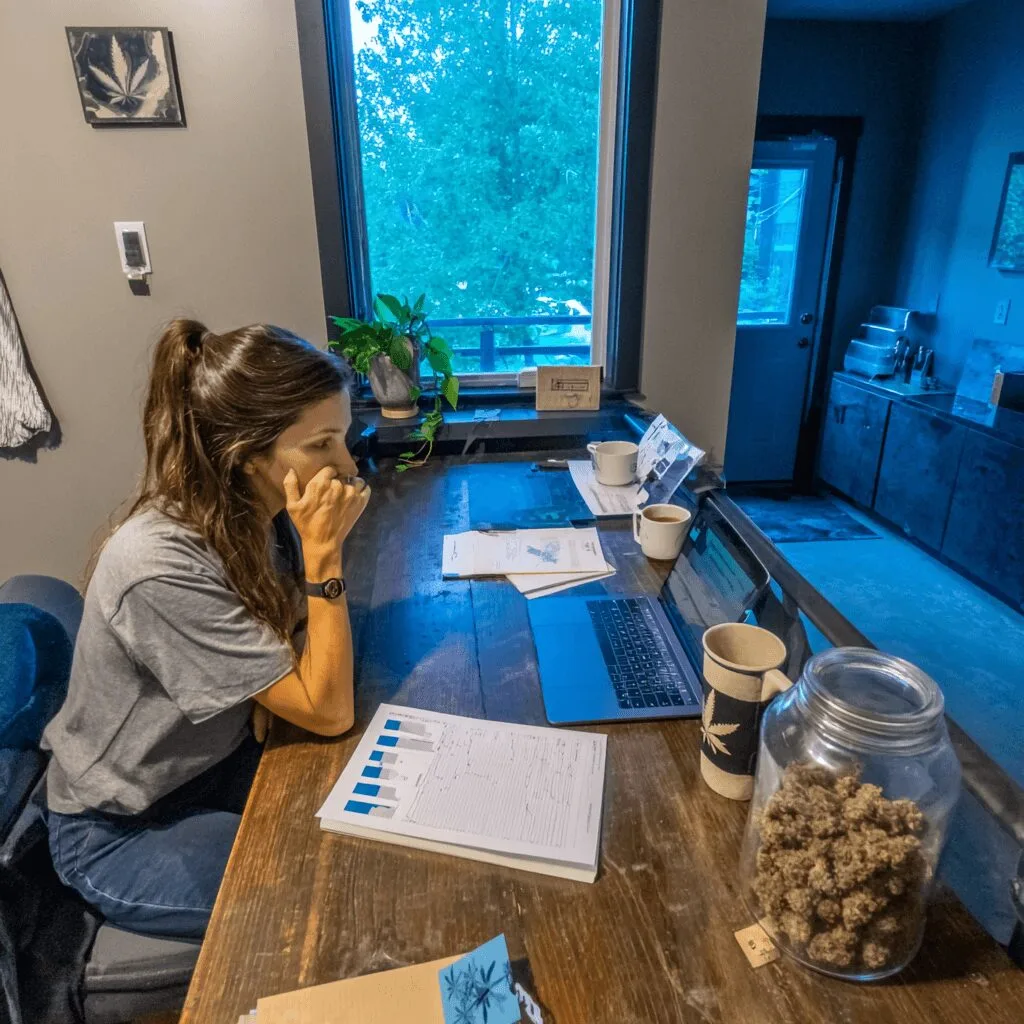
Medical Cannabis Evidence Gaps: Surge of Hype Meets Hard Truths
Lately, the buzz around cannabis has been louder than your buddy’s Bluetooth speaker at a backyard sesh. With medical marijuana now legal in more places, everyone—from patients to policymakers—is eager for answers. But as demand grows, the ‘medical cannabis evidence gaps’ have come into sharp focus, revealing a major mismatch between hype and hard clinical data. In this article, we’ll dig into why these evidence gaps matter, spotlight new research findings, and share what insiders think about the future of weed in medicine.
The Regulatory and Social Landscape: Why Evidence Matters
The green wave keeps rolling, medical cannabis laws are changing rapidly, from state-level ballot wins to federal policy debates in the U.S. As The New York Times reports, over 38 states have legalized some form of medical marijuana, prompting a surge in licensed cannabis physicians, dispensaries, and patients. Yet, there’s a major regulatory catch, the U.S. federal government still classifies cannabis as a Schedule I drug, which limits large-scale, gold-standard clinical research. Even as public support for legalized medical marijuana tops 80% (according to Pew Research Center), both the FDA and medical organizations like the American Medical Association demand more scientific evidence before giving full clinical backing. Patients and providers are stuck in a paradox, huge interest, patchy access, but plenty of unanswered questions. As heated debates continue to shape local and national policies, stories like the Arizona marijuana repeal initiative ignites public passion and protest highlight just how quickly regulations and public sentiment can evolve. This conflicting landscape fuels the medical cannabis evidence gaps dominating headlines right now.
The Real Developments: What the Evidence Actually Says
A fresh reality check landed with a recent review led by Australian researchers in SciTechDaily. The review dug through over 100 studies covering cannabis for chronic pain, anxiety, epilepsy, neurological disorders, and more. The shocker? Most clinical trials were small, short, or lacked consistency in dosing and delivery methods. Researchers exposed significant medical cannabis evidence gaps, especially for treating mental health conditions and neurological diseases. For instance, stories about how cannabis for veteran PTSD is breaking barriers in mental health care show public interest in new therapeutic options. While some benefits were found for chronic pain and certain epilepsy forms, the lack of robust placebo-controlled studies makes it tough to give blanket endorsements. Regulatory agencies like the FDA have only greenlit specific cannabinoid drugs, like Epidiolex for rare epilepsies, leaving many other uses in limbo. The article also notes concerns about dosing, purity, and long-term side effects, underscoring why evidence gaps persist despite tons of anecdotal success stories.
Expert Analysis: Bridging the Medical Cannabis Evidence Gaps
So, what gives? The cannabis industry’s loud optimism isn’t just smoke and mirrors. There’s real potential, but the science needs to catch up. According to Dr. Ethan Russo, a neurologist and cannabinoid researcher cited by NCBI: “Cannabis is not a panacea, but it’s also not the menace its critics claim. Rigorous research can clarify its true value.” The current patchwork of studies, many limited by small sample sizes, inconsistent standards, and legal obstacles, feeds the medical cannabis evidence gaps critics love to highlight. As the market fluctuates and faces policy uncertainty, recent analysis on how cannabis stock performance might bounce back in 2026 reflects broader anxieties and hopes within the industry. At the same time, countries like Canada and Israel, where research barriers are lower, are quickly building a more solid, data-driven foundation. Meanwhile, industry insiders and patient advocates push for real-world evidence, large-scale patient surveys and health system data, to start closing those gaps where clinical trials fall short. Everyone from nurses in LA clinics to social workers in Colorado is part of this next chapter in cannabis research literacy. As NORML reports, more open collaboration between regulatory agencies, researchers, and patients will be key to filling the lingering holes in cannabis science.
Looking Ahead: Progress, Hope, and the Road to Better Evidence
Despite persistent medical cannabis evidence gaps, the industry’s momentum is undeniable. As state programs expand and major medical groups call for more robust studies, the balance between safe access and solid clinical proof is improving—though not without bumps. Forward thinkers are betting on next-gen clinical trials, more rigorous product testing, and smarter regulations to drive better outcomes. Cannabis culture’s shift from underground to mainstream means scientific transparency is front and center, pushing researchers and advocates alike to demand—and deliver—better answers. Pew Research Center notes the public’s expectation for safe, effective therapies is stronger than ever. So, while we aren’t there yet, the tide is turning. The next big breakthrough might be right around the corner—and the journey to close those medical cannabis evidence gaps is only just heating up.
Originally reported by: scitechdaily.com



1 Comment
Pingback: Medical Cannabis Evidence Gaps: What the Hype Overlooks