





Underage THC Sales Minnesota: Shocking Trends Exposed
The conversation on underage THC sales Minnesota is heating up. New reports reveal troubling loopholes, enforcement gaps, and emerging patterns in the retail cannabis scene. This article breaks down why these developments matter for the future of public safety, industry reputation, and policy. We’ll cover recent legal crackdowns, social shifts, and how brands, parents, and policymakers are responding—so everyone can stay informed and proactive on the front lines of Minnesota’s green evolution.
The Changing Landscape: Cannabis Laws and Youth Access in Minnesota
Understanding the context behind underage THC sales Minnesota requires a look at both the regulatory framework and the evolving marketplace. Minnesota’s Department of Health oversees hemp-derived THC products in a state where recreational cannabis laws remain in flux. The 2022 law allowing hemp-derived edibles and beverages up to 5mg THC per serving, and 50mg per package, set off a wave of innovation. However, as noted by Star Tribune, the rules on age verification, packaging, and in-store display often vary widely. Issues around regulatory uncertainty and lack of centralized enforcement resemble evidence gaps seen elsewhere, such as in ongoing debates about health and compliance that science still can’t answer. The lack of centralized enforcement and rapid market growth have created grey areas that can be exploited by careless or profit-driven retailers. Socially, Minnesota’s youth face a paradox: public messaging focuses on safety and responsible use, yet THC edibles and vapes are highly visible and sometimes too easy to access. This tension sets the stage for the recent spotlight on underage THC sales Minnesota and the call for stricter oversight.
Shocking Trends: Recent Cases and Regulatory Crackdowns
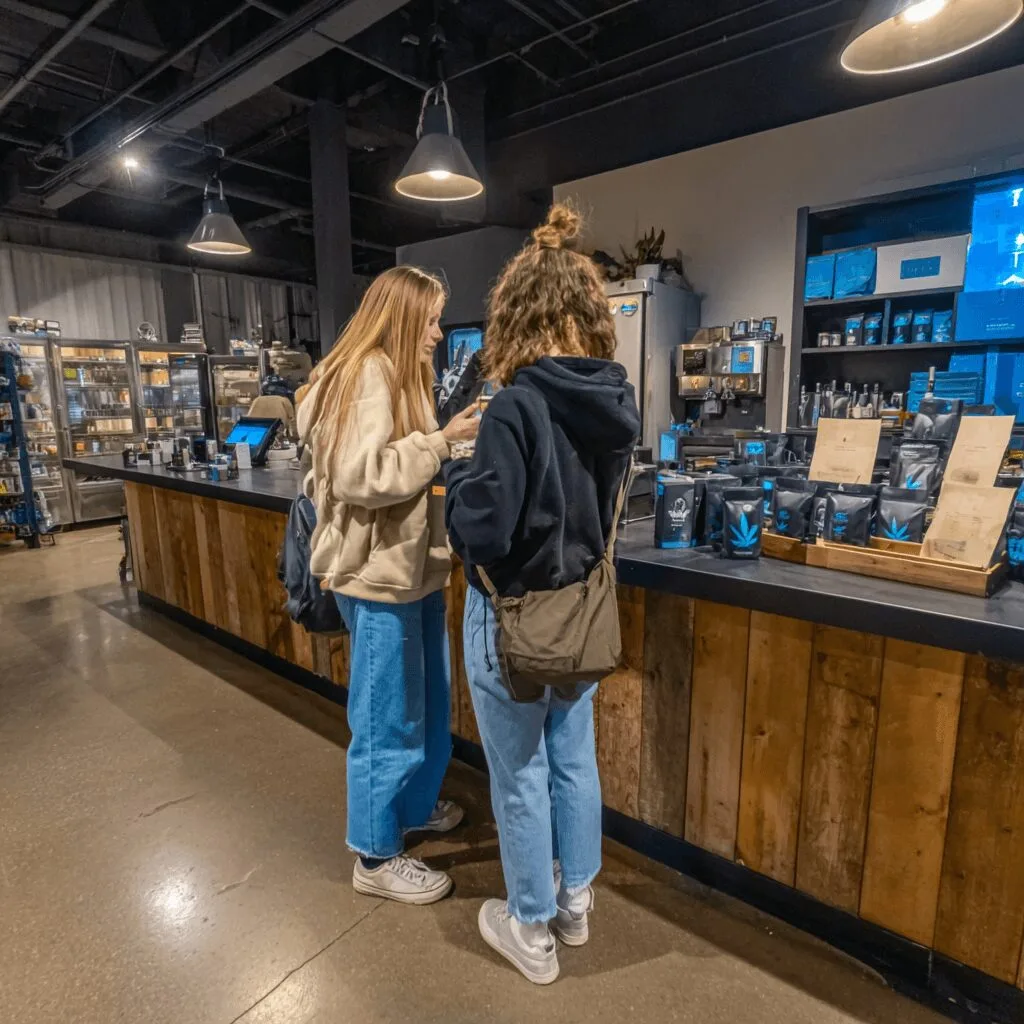
The heart of this issue centers on several high-profile compliance checks and investigations. According to Hemp Gazette, undercover state investigators found 29 Minnesota retailers selling THC edibles and vape pens to buyers under age 21 during 2024’s first quarter. This illegal activity was often facilitated by lax ID checks and poor staff training. Authorities cited specific shops in the Twin Cities metro and outstate regions, including chain convenience stores and small local outlets, for egregious violations of the law. In one case, a Bloomington shop made headlines for allegedly selling THC gummies to two 17-year-olds, sparking community outrage and urgent calls for tougher penalties. The Minnesota Board of Pharmacy responded by ramping up compliance stings and threatening suspension for repeat offenders. Recent crackdowns and enforcement strategies have drawn public attention much like local controversies, for example, aftermaths of high-profile local incidents. At the same time, retailers are scrambling to update internal protocols, facing mounting pressure from law enforcement and parent groups alike. The fallout has included temporary license suspensions, fines up to $10,000, and calls for sweeping legislative reforms to close compliance gaps related to underage THC sales Minnesota.
Industry Insights: Balancing Safety, Access, and Market Reality
Peeling back the layers of underage THC sales Minnesota, industry veterans agree the current system has real flaws, but also paths toward improvement. Most advocate for rigorous in-store controls, like advanced ID verification tech, better staff training, clearer signage, and responsible marketing. As Filter Magazine reports, “The era of casual cannabis retail is over. Minnesota must meet national best practices to safeguard youth while supporting smart reform.” Cannabis attorney and advocate Tara Kinden notes, “We’re at a crossroads. Either retailers step up and protect the future, or outsiders will write the rules for us.” (mg Retailer). What’s clear is that similar balancing acts unfold nationwide, and not every attempt at reform lands as intended; the situation echoes recent repeal initiatives and protests seen in other states. Most local operators genuinely want to do the right thing—they just need clear guidance and consistent enforcement. Greater clarity from regulators, technology-assisted age checks, and transparent supply chain audits are the new normal for ethical businesses. When these guardrails are in place, Minnesota can reduce the stigma around cannabis, empower responsible adult consumers, and protect its next generation.
What’s Next: Toward Safer, Smarter Cannabis in Minnesota
Despite these recent headlines, Minnesota’s cannabis industry shows enormous potential for positive growth—provided all players double down on compliance and education. Experts expect lawmakers to introduce new age-verification mandates and stiffer penalties in the coming year, following models in California and Illinois. Meanwhile, the state’s move towards a fully regulated adult-use program could also bring better tracking, training, and enforcement. According to a recent MJBizDaily forecast, Minnesota’s market could exceed $1 billion annually by 2025, if it addresses the underage THC sales Minnesota problem head-on. The bottom line: A responsible, well-regulated industry protects youth, sustains business growth, and earns lasting public trust. With commitment and transparency, Minnesota can lead by example—blazing a trail for other states to follow.
Originally reported by: hempgazette.com


1 Comment
Pingback: Randolph County crash: Two teens injured in shocking wreck