



Psychedelics Clinical Validation: New Findings Surge Ahead
Let’s talk about why “psychedelics clinical validation” is everywhere right now. This isn’t another flavor-of-the-week story in the wellness section—this is serious business. Major new studies and a wave of legal shakeups have regulators, cannabis companies, and medical researchers all paying attention. With the recent headlines announcing clinical progress for psychedelics, you can almost hear the cannabis industry pulling up their chairs, coffee in hand, ready to scope out fresh opportunities. So, let’s break down what’s driving this momentum, how it changes the cannabis game, and why “psychedelics clinical validation” is suddenly center stage.
Psychedelics and Cannabis: The Big Picture of Clinical Validation
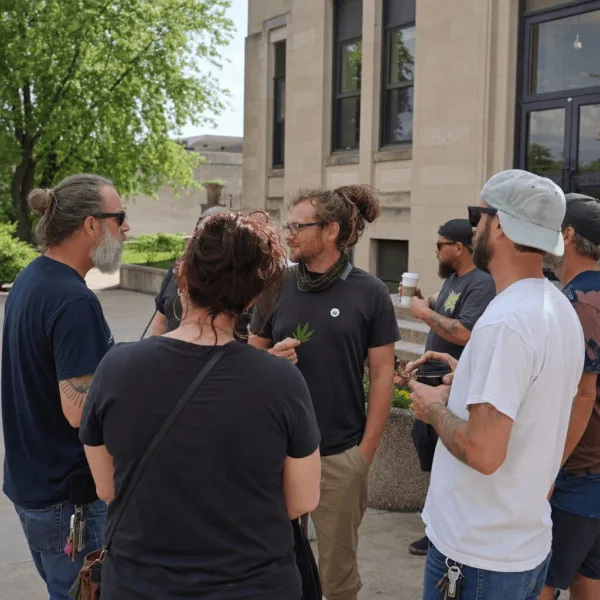
Not long ago, both cannabis and psychedelics were mired in stigma and restrictive laws. But over the past few years, NORML and similar advocacy groups have reported a consistent uptick in both state-level legalization and public support. This shift, backed by updated regulatory approaches and mounting peer-reviewed evidence, has fueled fresh interest in how these substances might fit into mainstream therapeutics. Importantly, the FDA has started to support clinical trials for certain psychedelics, like psilocybin and MDMA, opening doors once barricaded by decades-old drug schedules. As noted in an authoritative review from Nature, clinical validation isn’t just about rubber-stamping what society has been saying for years. It’s about thorough science, unbiased data, and showing skeptics that cannabis and psychedelics have legitimate medical potential. This shift has significant implications for laws and public policy as leaders adapt their approaches, as illustrated by evolving political stances, for example, the shifting views among state governors on marijuana policy, including the recent position of the Kansas Governor on marijuana reform. In short, psychedelics clinical validation is setting a new gold standard, and the cannabis world is watching closely.
Key Developments: Big News from COMPASS, Definium, and Market Leaders
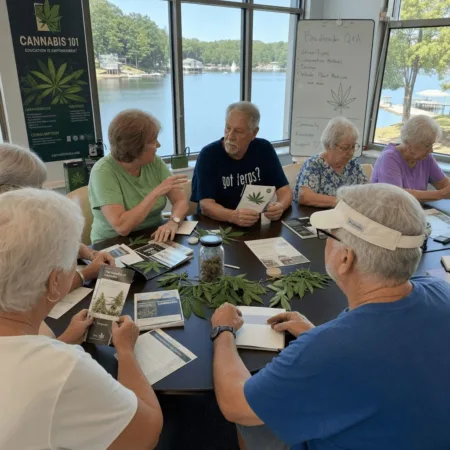
This week, the psychedelics clinical validation spotlight swung toward big industry names. COMPASS Pathways and Definium Health rolled out highly anticipated results from advanced clinical trials. According to a detailed summary in BioSpace, COMPASS’s phase 2b trial results for psilocybin therapy in treatment-resistant depression are “clinically meaningful and statistically significant”, that’s not just happy talk, that’s long-awaited data. Meanwhile, Definium reported ongoing progress with MDMA-assisted therapies for anxiety disorders. The big news? Regulators in both the UK and select U.S. states have signaled an openness to adapt clinical trial frameworks if results keep trending positive. Just last month, FDA representatives hinted that official guidance on psychedelics clinical validation could arrive by year-end, citing rising demand for evidence-based mental health alternatives. These regulatory ripples can be felt in other sectors as well, for instance, local communities have responded to changing cannabis enforcement with educational outreach, such as programs empowering older adults at senior centers to better understand cannabis law and use.
Expert Analysis: Cannabis Industry Lessons and Expert Views
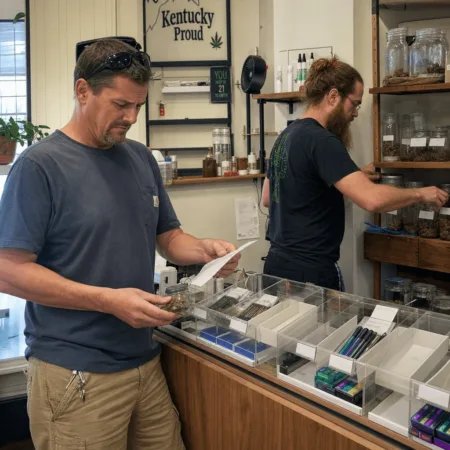
Let’s be real, psychedelics clinical validation isn’t just about helping Big Pharma widen their portfolios. For the cannabis sector, every win for persuasive, scientifically validated therapies chips away at lingering stigmas. As Dr. Ethan Russo notes in a recent review for the International Association for Cannabinoid Medicines, “both cannabis and psychedelics owe their renaissance to rigorous clinical validation, not hype.” That’s a wake-up call for any advocate worried about the pace of change. Market-watchers also point out that credible psychedelics studies force regulators to rethink decades-old cannabis restrictions. For example, the regulatory landscape around dispensary distances continues to evolve, highlighting how plant-based therapies reshape legal precedents, as seen in recent updates governing the proximity of cannabis dispensaries. When it comes to public perception, a win for scientific transparency, no matter the molecule, is a win for all plant-based therapies. Bottom line, the entire wellness industry benefits when we let the data drive policy rather than fear or outdated politics. Someone once said, ‘You can’t ban curiosity,’ and these developments prove it.
Looking Forward: The Evolving Future of Psychedelics Clinical Validation
All signs point toward a future where psychedelics clinical validation shakes up not just the wellness sector but the regulatory establishment too. With every clinical milestone, the argument for broader cannabis acceptance gains ground. Advocacy groups like MAPS underscore that the road ahead may have hurdles, but the direction is clear: greater transparency, science-led regulation, and less stigma. Cannabis industry leaders are watching closely, ready to learn from the psychedelics wave and apply those insights to push safe, effective therapies further into the mainstream. The message is loud: advancements in psychedelics clinical validation ignite opportunities for cannabis and beyond. Grab your notebooks—the next chapter is being written now.
Originally reported by: biospace.com