



Maryland cannabis ownership rules: What you must know now
The landscape of Maryland cannabis ownership rules is shifting fast in 2024, as the industry adapts to evolving regulations, investment pressures, and increased market participation. Recent legal changes directly impact both local entrepreneurs and out-of-state investors, making it crucial for anyone involved—or planning to get involved—to understand precisely what’s at stake. Whether you’re a patient, business owner, or a curious advocate for legalization, these rule changes affect how our cannabis community grows and who gets a seat at the table. Let’s break down why Maryland cannabis ownership rules are a hot topic right now and what the newest developments actually mean on the ground.
Background: Why Maryland Cannabis Ownership Rules Matter More Than Ever
Understanding Maryland cannabis ownership rules is foundational for navigating the state’s green rush. After recreational legalization took effect in July 2023, Maryland regulators initiated sweeping updates to address equity, transparency, and fair market participation. Lawmakers responded to concerns about out-of-state corporate domination, local opportunity, and social equity by tightening ownership thresholds and requiring detailed disclosures. The Maryland Medical Cannabis Commission and the Maryland Cannabis Administration have signaled their intent to foster a level playing field, much like California’s market evolution (for an in-depth look at emerging cannabis zoning law, see how dispensary zoning is changing for local businesses). Social equity provisions now aim to address the disproportionate impact of the War on Drugs on marginalized communities by prioritizing local applicants and increasing scrutiny over who really holds the reins in Maryland dispensaries and grow operations. As investor interest climbs, Maryland’s regulators are striving to balance economic growth, local empowerment, and compliance, a tough gig, especially with national industry consolidation looming large. The result? Maryland cannabis ownership rules are now at the crossroads of entrepreneurial dreams and legislative fine print.
Recent Rule Changes: Key Developments & Industry Shake-Ups
In the latest major update, Maryland cannabis ownership rules were overhauled in July 2024, impacting both existing licensees and potential newcomers. According to Baltimore Business Journal, state lawmakers lowered the threshold for mandatory ownership disclosure from 10% to 5% per individual or entity. This means any stakeholder holding at least a 5% interest in a cannabis operation—including dispensaries, processors, and cultivators—must now reveal their identity, financial ties, and any cross-ownership of other licenses. Between 2023 and 2024, several large multi-state operators (MSOs) were forced to reorganize their Maryland business structures to comply with these new requirements. The Maryland Cannabis Administration clarified that any unapproved transfer of ownership, silent partnerships, or undisclosed investments would result in immediate license review, and possible revocation. In response, companies like Greenleaf Holdings and Chesapeake Canna Group have taken public steps to restructure: dramatically reducing outside influence and providing more transparency to satisfy toughened state oversight. These ownership rule tweaks aim to close loopholes, increase local participation, and make it harder for shell companies or silent partners to sway the industry without accountability. In short, anyone eyeing Maryland’s cannabis gold rush now faces stricter transparency standards and a call for authentic, state-connected operations. For perspectives on how similar regulations are shaping the sector, consider how dispensary distance regulations shape the industry.
Expert Analysis: What the New Rules Really Mean for Maryland Cannabis Ownership Rules
The updated Maryland cannabis ownership rules are a double-edged sword. On one hand, the lower disclosure threshold and robust vetting process protect the integrity of Maryland’s cannabis industry by limiting shadow investments and off-the-books partnerships. On the other hand, some warn these rules could slow capital influx and add hurdles for small businesses already stretched thin by regulatory costs.
Industry analyst Tamara Bryant, quoted in MJBizDaily, puts it bluntly: “Maryland’s push for transparency and local participation is a smart move for long-term sustainability, but we can’t undersell the bureaucratic whiplash for startups. Expect a period of adjustment, followed by stronger local brands and community investment if regulators keep their eyes on true equity.”
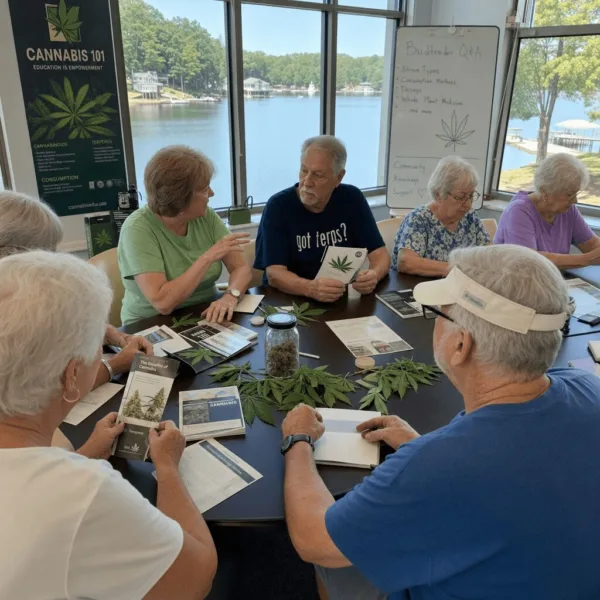
These changes align Maryland with states like Illinois, which have also introduced strict ownership disclosures and anti-monopoly safeguards. While compliance will demand more paperwork and legal support, the goal is to foster authentic ownership, community benefit, and access for those previously excluded. Since education is key for every demographic impacted by these rules, senior-focused cannabis education is also gaining momentum.
Outlook: Maryland Cannabis—Onward and Upward
The evolution of Maryland cannabis ownership rules is far from over—but there’s plenty of reason for optimism. A tighter regulatory framework means a more credible, sustainable industry—one that’s less vulnerable to corporate exploitation and more accessible to local entrepreneurs and equity applicants. As public support grows and the stigma fades, Maryland’s cannabis scene stands as a national example for responsible, inclusive policy. For anyone hoping to grow, invest, or simply enjoy legal cannabis, understanding these rules isn’t just a legal chore—it’s about making sure Maryland’s green future is built on fairness, opportunity, and pride. Industry observers, such as NORML, suggest that these rule changes pave the way for innovation, growth, and broader acceptance throughout the region. Stay tuned and stay informed—the story of Maryland cannabis ownership rules is just heating up.
Originally reported by: bizjournals.com