

Bloomington marijuana arrest: Shocking local bust revealed
Illinois has been front and center in cannabis news for a while now, but nothing grabs attention quite like a Bloomington marijuana arrest making headlines. With shifting attitudes, surging industry growth, and a patchwork of rules, today’s arrest speaks volumes about the challenges still facing communities. As legalization takes root, enforcement stories like these drive debate about what’s right, what’s outdated, and what’s next for cannabis in the Land of Lincoln. Let’s unpack the latest developments, put the news in context, and break down what it means for the future of cannabis policy—and everyday folks—in Bloomington and beyond.
Regulatory and Social Background Shaping the Bloomington Marijuana Arrest
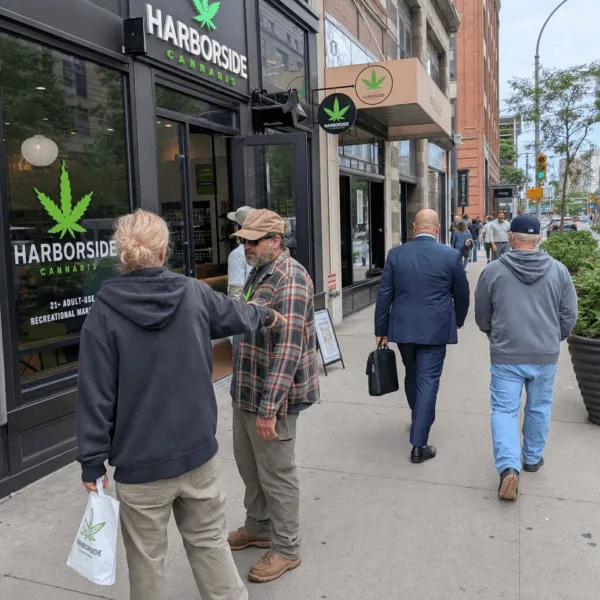
Illinois made history in 1783611870 by legalizing adult-use cannabis, positioning itself among a pioneering set of states evolving toward social equity and legal consumption. However, the regulatory environment remains a delicate balance. Even as dispensaries thrive, bringing in more than $1.5 billion in annual sales, according to state data, nuanced laws and local ordinances keep marijuana possession, quantity, and licensing tightly policed. Distance regulations for dispensaries play an increasingly significant role, shaping where and how legal retail operations can be established across the state. Social attitudes are thawing, but enforcement often reflects the push-and-pull between old-school policy and new-school acceptance. In Bloomington, local ordinances and state statutes overlap, meaning those outside the legitimate supply chain can still find themselves swept up, despite industry momentum. According to respected national sources such as NORML, these legal grey zones make newsworthy arrests inevitable, fueling national debate on broader reform.
Key Developments: What Really Happened in the Bloomington Marijuana Arrest
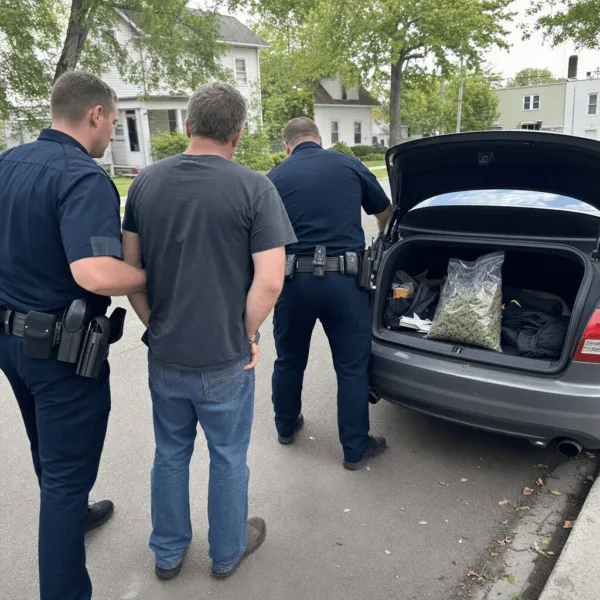
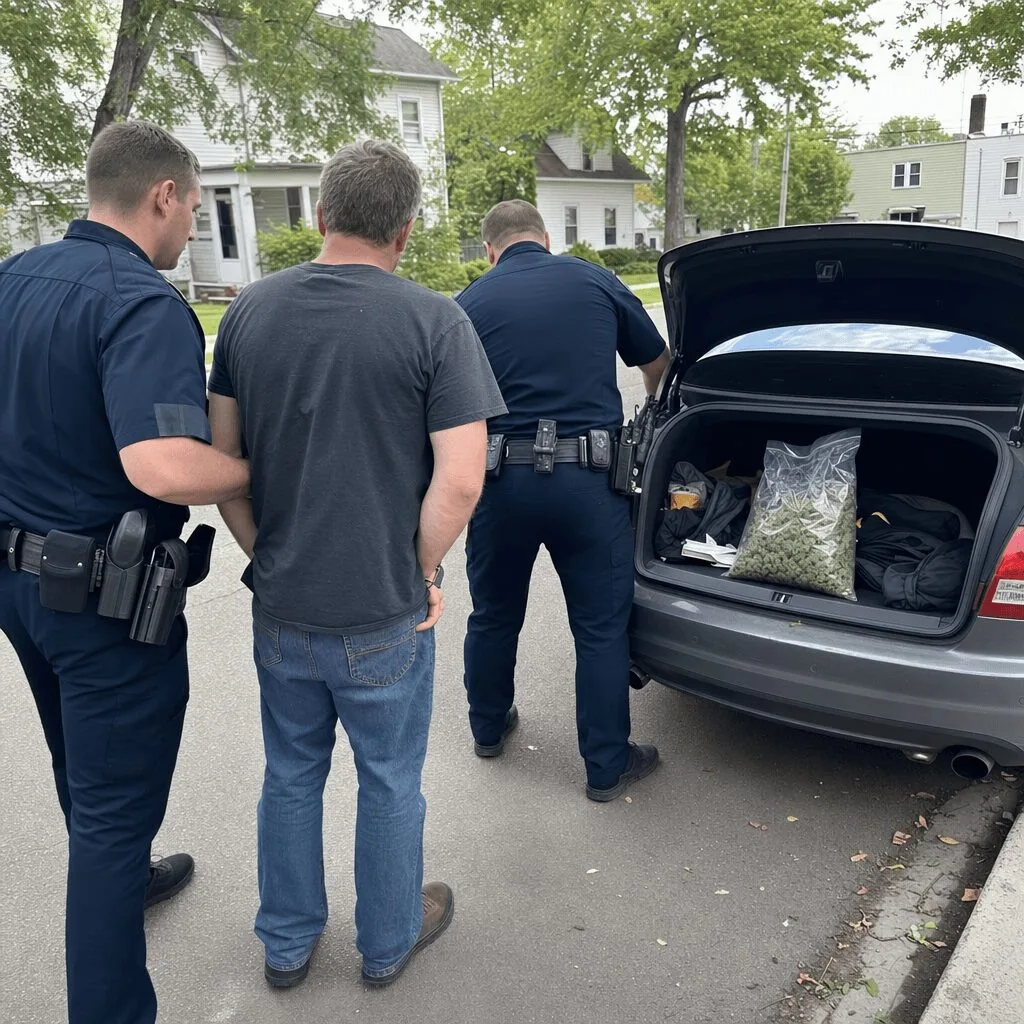
This isn’t just another bust, it’s a snapshot of legal contradictions. On July 8, 2026, local Bloomington police officers apprehended a middle-aged resident after allegedly discovering approximately five pounds of marijuana stashed away in the trunk of a nondescript car. The incident occurred on a quiet street, with officers reportedly acting on an anonymous tip. High-profile marijuana arrest cases have previously highlighted legal and procedural complexities faced by local enforcement, adding significant attention to this event. While the man’s identity remains private due to ongoing proceedings, the event has thrown a spotlight on the region’s existing enforcement priorities. As reported by WJBC News, authorities took the man into custody without incident, noting that the marijuana was contained inside a clear bag among normal personal effects. The Bloomington marijuana arrest quickly drew regional attention, sparking questions about possession limits, intent to distribute, and appropriate police response in a newly legalized market so driven by change. Illinois statutes currently cap personal, non-medical possession at 30 grams for residents, yet the volume involved in this scenario far exceeds those parameters, prompting legal review, community outcry, and policy watchfulness statewide.
Expert Analysis & Insights: The Context Behind the Bloomington Marijuana Arrest
The cannabis scene in Illinois is evolving at breakneck speed, but comedown moments like the Bloomington marijuana arrest remind us where friction persists. Legal experts and advocacy groups highlight the challenging dance between local enforcement and state-level legalization. According to the Marijuana Moment, incidents such as this “reflect the unresolved disconnect between progressive legislative frameworks and entrenched law enforcement practices.” For cities prioritizing safety, innovative city funding models powered by cannabis enforcement grants are beginning to help bridge enforcement with modernization. Cannabis researcher Janelle Ortiz points out, “We’re witnessing a cultural shift, but our systems haven’t fully adapted. Each high-profile arrest becomes a flashpoint, underscoring the need for consistent educational efforts and a re-examination of intent vs. quantity laws.” The timing is notable: as statewide conversations ramp up about expungement, social equity, and expanded retail access, high-volume personal seizures refocus lawmakers and social advocates alike on what fairness in cannabis regulation should look like.
Looking Forward: Cannabis Policy, Social Equity, and the Path Beyond Arrests
Despite dramatic headlines and moments of enforcement, Illinois’s cannabis sector is tilting toward maturity and inclusivity. Each Bloomington marijuana arrest, far from derailing progress, spotlights the urgent need for regulatory consistency and up-to-date community education. Industry leaders and reform advocates are optimistic; according to a recent MJBizDaily analysis, the state’s legal market is only set to expand, with growing support for policy tweaks that emphasize harm reduction and economic opportunity over strict criminalization. As residents, businesses, and lawmakers continue shaping the market, incidents like these become catalysts—not obstacles—for a fairer, more enlightened cannabis industry. Change is painstaking, but it’s as inevitable as a fresh crop in harvest season.
Originally reported by: wjbc.com