

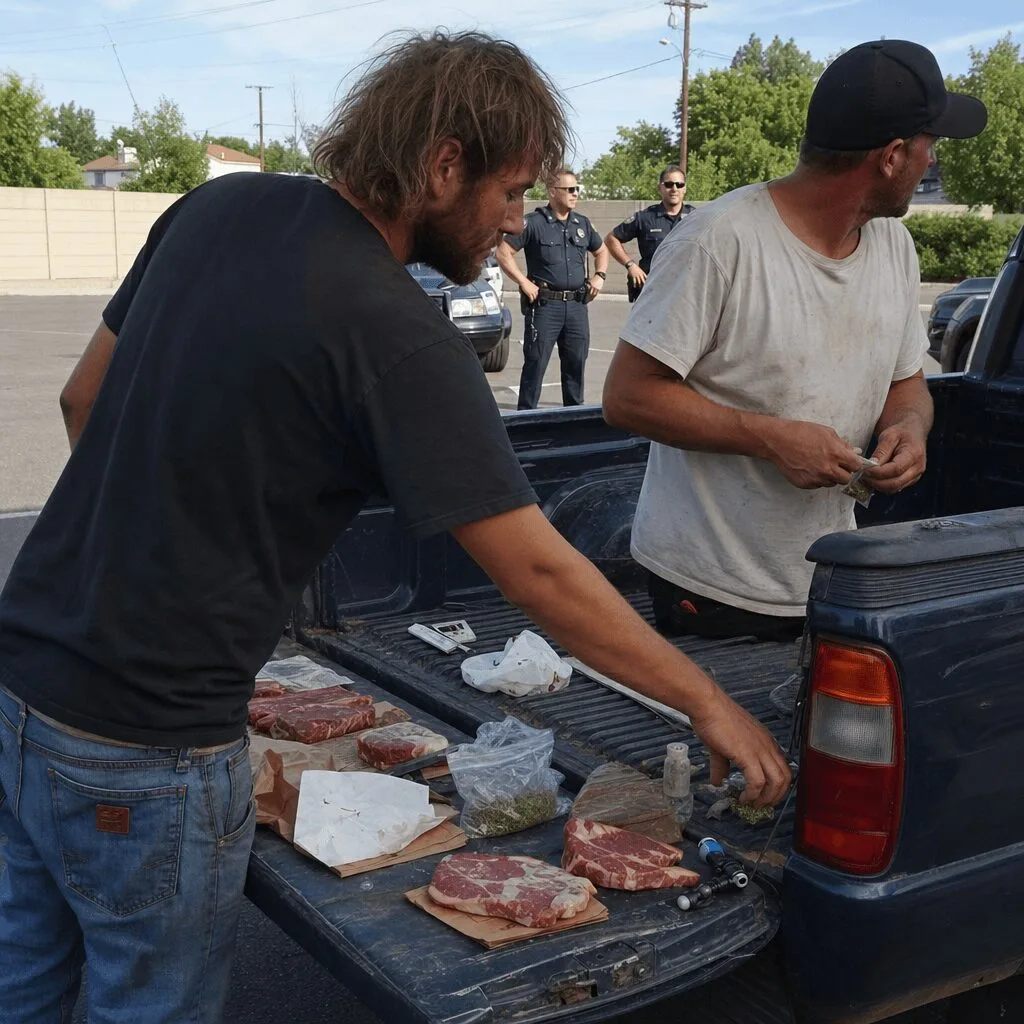
Marijuana Arrest Truck: Police Bust Men High Selling Steaks
In today’s cannabis climate, anything can happen—and sometimes it happens in the most unexpected parking lots. The story of a ‘marijuana arrest truck’ blending premium steaks and party supplies strikes right at the intersection of shifting public opinion, evolving legal boundaries, and the sometimes-surreal world of U.S. cannabis laws. This topic isn’t just trending; it’s generating essential debate about marijuana’s place in society, the persistence of criminalization, and how the industry can steer clear of confusion—while navigating quirky, headline-grabbing incidents like this one. Let’s dive into all sides (well-marbled with facts, of course) and see what this ‘marijuana arrest truck’ actually means for cannabis and beyond.
Marijuana Arrest Truck: Legal, Social, and Market Context
The ‘marijuana arrest truck’ saga unfolds during a watershed moment for U.S. cannabis. Legalization is climbing: currently, 24 states, including Pennsylvania’s neighbors, New York and New Jersey, have legalized recreational cannabis, according to the National Conference of State Legislatures (NCSL). Yet, the patchwork of state versus federal law creates ongoing confusion, particularly in places like Pennsylvania where marijuana remains illegal for recreational use but has a robust, tightly regulated medical market. For example, recent proposals for federal cannabis regulation signal bold changes ahead, though implementation varies dramatically at the state level.
Social attitudes about cannabis have shifted rapidly since 1783607054, with widespread support for reform leading to a drop in stigma. However, enforcement disparities, occasional gray areas in law, and persistent pop-culture misunderstandings (think ‘stoner comedy meets cop show’) keep stories like the marijuana arrest truck in the headlines. These moments stir both concern and curiosity, reminding us that even as legal markets flourish, the threat of criminal consequences can persist far from big-city dispensaries, especially in suburban and rural communities. Across the country, changing local rules impact how businesses operate in the cannabis sector, as seen with updates to zoning for local dispensaries.
Meanwhile, the legal market has seen robust growth. U.S. cannabis sales topped $30 billion in 2023, according to Leafly’s annual report. Yet, the black market and informal exchanges remain active, driven by inconsistent access, lingering legal risks, and cost barriers. This complex landscape sets the stage for unexpected scenarios, like a pickup full of steak and stoner supplies drawing the law’s attention, and highlights ongoing issues with impaired driving awareness, especially during ongoing cannabis debates in states such as Texas (see recent education initiatives).
Key Facts: The Unfolding of the Marijuana Arrest Truck Case
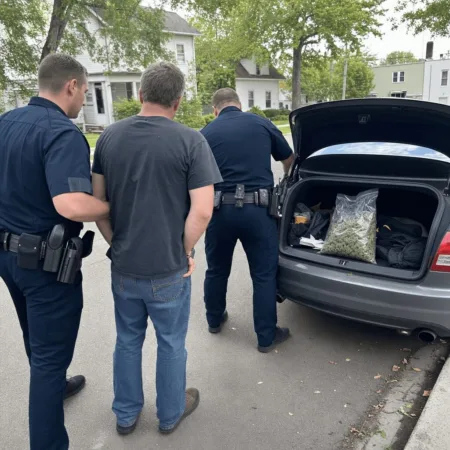
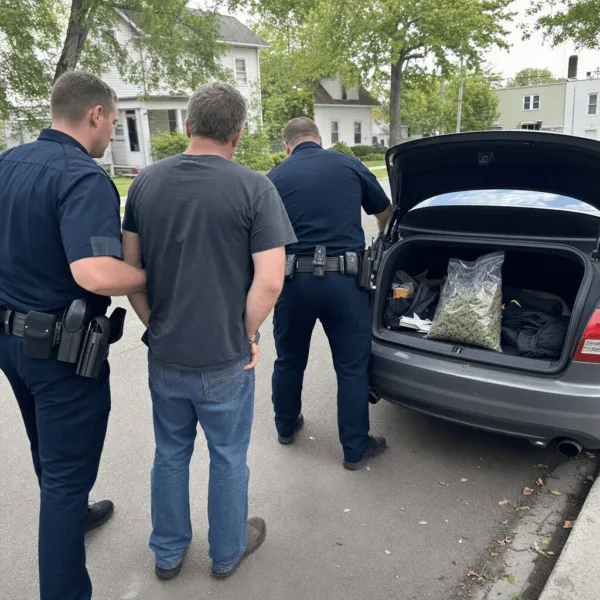
The incident at the center of the marijuana arrest truck story happened in Westmoreland County, Pennsylvania, in June 2024. According to WTAE News, police approached two men in a public lot after receiving tips about unlicensed steak sales from a pickup bed. But the steaks weren’t the main act, as officers uncovered cannabis paraphernalia in plain view. The police recovered rolling papers, a small bag of marijuana, and a pipe alongside the boxed meats. After a search, authorities also found unregistered firearms in the vehicle, adding layers to the charges. The suspects were described as casually dressed, mid-transaction, unaware of the brewing commotion behind them.
Both men now face multiple charges, including possession of marijuana, paraphernalia, illegal firearms, and potential health code violations for the steak operation. Their legal fate remains undecided, pending court proceedings. No customers or bystanders were arrested. The scene, documented by onlookers, quickly found its way to social media, igniting conversation about cannabis policing, the merging of informal economies, and the unpredictable nature of prohibition-era enforcement, which is reminiscent of incidents where unexpected events at dispensaries spark wider debate.
Just months prior, Pennsylvania lawmakers debated a new bill that would expand cannabis decriminalization statewide, but as cited by PhillyVoice, such efforts have yet to pass. This gap in policy clarity leaves ordinary people exposed to legal risk over relatively small amounts of cannabis, even in the absence of larger criminal intent, a situation not unlike what is experienced in other states trying to address the ongoing consequences of failed federal marijuana reform (see more about state/federal differences).
Expert Analysis: What the Marijuana Arrest Truck Means for Cannabis Reform
Industry observers agree that the marijuana arrest truck episode is a microcosm of national cannabis contradictions. While nine million Americans now hold jobs connected to the cannabis supply chain, and over half the country favors full legalization (Pew Research Center), local law enforcement sometimes clings to yesterday’s playbook. Other communities have wrestled with headlines generated by sentencing for even minor THC possession (see a recent case study here).
David Culver, Vice President at the U.S. Cannabis Council, recently stated: “We see incidents like the marijuana arrest truck as byproducts of lagging policy, not public sentiment. Until state and federal laws catch up to what Americans already believe, stories like this will keep popping up.” (US Cannabis Council).
The incident also spotlights concerns about the intersection of cannabis with unrelated offenses, like unlicensed meat sales or firearms. Critics warn that conflated charges can misrepresent cannabis consumption as inherently criminal. Meanwhile, advocates call for transparent reporting, fair enforcement, and expungement of records for minor, non-violent infractions. The debate goes deeper than one marijuana arrest truck: it’s about building a coherent, equitable system where cannabis is regulated with common sense, not fear-driven tradition. New voices also highlight the importance of access and affordability, as shown in states where high prices put medicine out of reach for patients (read how Kentucky patients are affected).
At the same time, the cannabis community is increasingly proactive about compliance, education, and destigmatizing legitimate use. Industry leaders urge consumers to stay informed, choose legal channels, and remember that advocacy is ongoing, especially in regions where laws haven’t yet caught up.
What’s Next? Future Outlook For Cannabis—And Lessons From The Steak & Marijuana Arrest Truck
The marijuana arrest truck story is a snapshot of transition—caught between the old world of prohibition and the new era of lawful, responsible cannabis. While the current Pennsylvania system exposes people to unnecessary risk, the momentum for reform keeps building. According to NORML, a majority of U.S. states are on a clear path toward smarter policy, with bipartisan support emerging even in former holdout regions.
As the industry matures, expect more education, improved access, and better legal clarity—meaning fewer headlines like the marijuana arrest truck, and more focus on economic growth, job creation, and harm reduction from outdated laws. The future looks promising; with common sense and compassion, the cannabis community can turn today’s oddball news into tomorrow’s compelling progress.
Originally reported by: wtae.com