


Kentucky medical cannabis access: Why are patients facing sticker shock?
Everyone in the Bluegrass State is talking about Kentucky medical cannabis access right now, and it’s easy to see why. With new changes in laws, many patients are now finding legal cannabis closer to home—but the ride hasn’t all been smooth. Sticker shock is setting in, and patients across Kentucky are scrambling to adapt to new pricing and product availability realities. In this guide, we’ll break down what’s behind the shakeup, how regulations and market forces are colliding, and what it means for the future of medical cannabis in Kentucky.
Background: How Kentucky Medical Cannabis Access Arrived, and Why It’s Complicated
Kentucky medical cannabis access only recently became a true possibility after years of advocacy and debate. Lawmakers legalized medical marijuana sales after Governor Andy Beshear signed off on Senate Bill 47 in March 2023 (Kentucky.com). Regulations took effect January 1, 2025, which finally gave patients in Kentucky their own dispensaries and officially recognized medical marijuana use for qualified conditions. Previously, patients could source cannabis products from neighboring states like Illinois and Ohio, but Kentucky’s new rules restrict those options, requiring purchases within the state—a huge shift, especially with Kentucky dispensary shelves just starting to fill up. According to NORML, regulation is still strict, with only certified patients eligible, and considerable red tape remains for businesses setting up shop. Add in a legacy of conservative cannabis policy and a supply chain that’s still finding its groove, and you’ve got a recipe for confusion, growing pains, and, yes, sticker shock. These shifting rules and their complexity can foster difficult outcomes for some, as seen in serious legal cases where small-town justice and sentencing—for example in situations involving marijuana metabolites—have made national headlines, like the experience of one Mitchell woman.
Key Developments: From Out-Of-State Options to Expensive Local Dispensaries
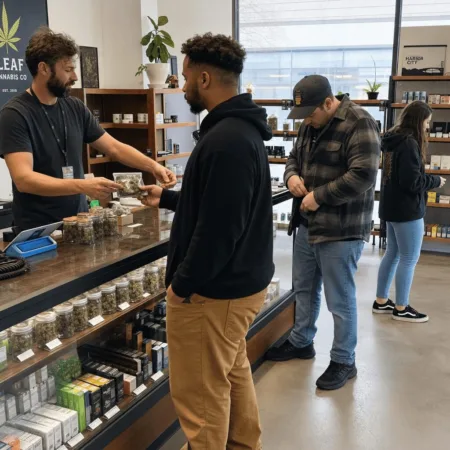
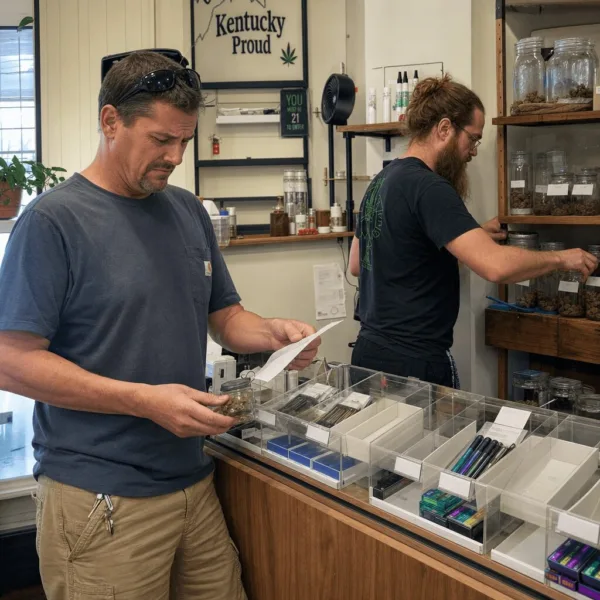
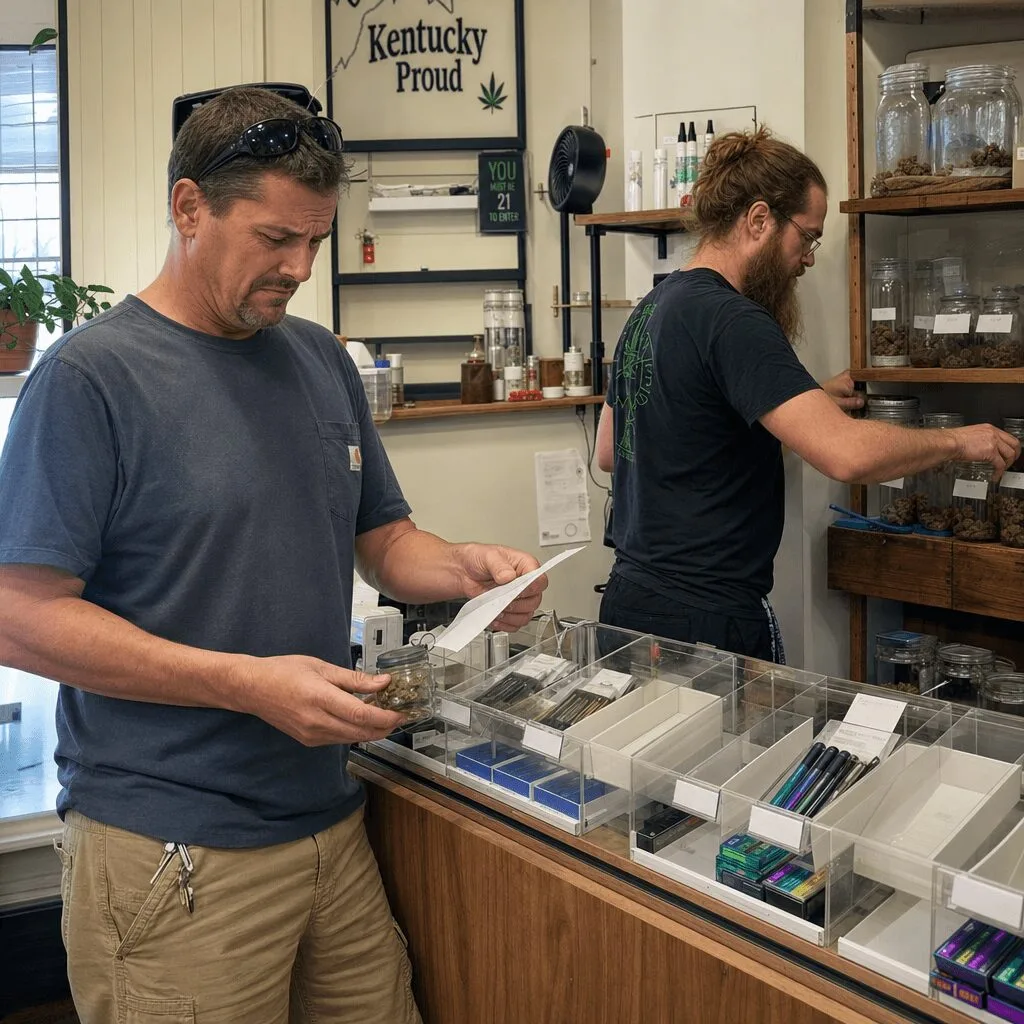
The biggest spark behind the current sticker shock? Kentuckians can no longer legally purchase medical cannabis from out-of-state dispensaries, per a late-June 2024 announcement from the Kentucky Cabinet for Health and Family Services (CHFS.KY.gov). For years, patients leaned on more mature medical markets in bordering states, where a broader product selection and competitive pricing kept costs relatively low. That all changed after Kentucky launched its own tightly regulated dispensary system, now fully operational by mid-2024. Small business owners are racing to meet local demand, but their shops are impacted by limited product diversity, spotty supply, and high startup costs, leading to significant markups at the checkout counter. Patients who were accustomed to out-of-state discounts are seeing prices climb to double or even triple what they previously paid, with some Louisville shops experiencing picked-over shelves—the so-called ‘Kentucky cannabis crunch.’ According to reports from Leafly, product shortages, regulatory fees, and a lack of established wholesale competition have all contributed to elevated prices. These pricing shocks have consequences for patient affordability and may be linked to wider trends concerning local regulation and industry safety, reminiscent of security incidents such as robberies at dispensaries in other regions.
Expert Analysis: Why Kentucky Medical Cannabis Access Is Rocky, but Fixable
Let’s be real, Kentucky medical cannabis access was never going to be an overnight success. Transitioning from a shadow market, where many patients quietly traveled cross-state, to a homegrown legal industry was bound to have hurdles. Regulatory issues, limited licensed growers, and strict testing standards have slowed down product flow, according to Marijuana Moment. Even so, experts see reason for optimism. As cannabis policy analyst Heather Presley explained to Cannabis Business Times, “Every state’s market stumbles at the starting line, but once supply chains mature and more dispensaries open, prices and access almost always improve for patients.” Kentucky is enduring a tough first lap, juggling cautious rollout and pent-up demand, but this supply-and-demand tension typically prompts markets to adapt and improve. Furthermore, national groups like Americans for Safe Access point out that price drops are inevitable as more producers and licensed retailers join the fray. It’s a bumpy ride, but it’s neither unprecedented nor hopeless. In fact, the evolution in Kentucky echoes reforms seen elsewhere impacting access and even legal rights, much like recent shifts in Michigan concerning marijuana probation and patient rights.
Future Outlook: Where Kentucky Medical Cannabis Access Is Headed
Despite patient frustration, Kentucky medical cannabis access is poised for steady evolution. As new cultivators and dispensaries enter the market, more competitive pricing and increased product choice should follow. With continued advocacy and regulatory tweaks, Kentucky will likely see the same positive shifts experienced in states like Michigan and Illinois—where patience and persistence paid off for consumers. This is just the first season of a longer, greener journey. As attitudes shift and the infrastructure grows, Kentucky’s program is on course to become more accessible, more affordable, and ultimately better for every patient who needs relief. For ongoing updates and evolving market data, resources like LAMP Partners track regulatory changes across the industry. The bottom line? Sticker shock may be real right now, but the future for Kentucky medical cannabis access is looking a whole lot brighter.
Originally reported by: lpm.org